· 10 min read
Can Dogs Eat Cheez-Its? The Ultimate Guide for Pet Parents
You’re curled up on the couch, mid-movie, with a handful of Cheez-Its—crunchy, salty, and oh-so-addictive. Out of the corner of your eye, you spot it: your dog, tail thumping, nose twitching, giving you that “I’ll love you forever if you share” stare. We’ve all been there. But before you toss a cracker their way, you pause: Is this safe? Can dogs eat Cheez-Its?
As pet parents, our first instinct is to spoil our fur babies, but when it comes to human snacks, “safe” and “tasty” don’t always go hand in hand. In this guide, we’ll break down everything you need to know about Cheez-Its and your dog—from potential risks to healthier alternatives—so you can make informed choices that keep your pup happy and healthy.
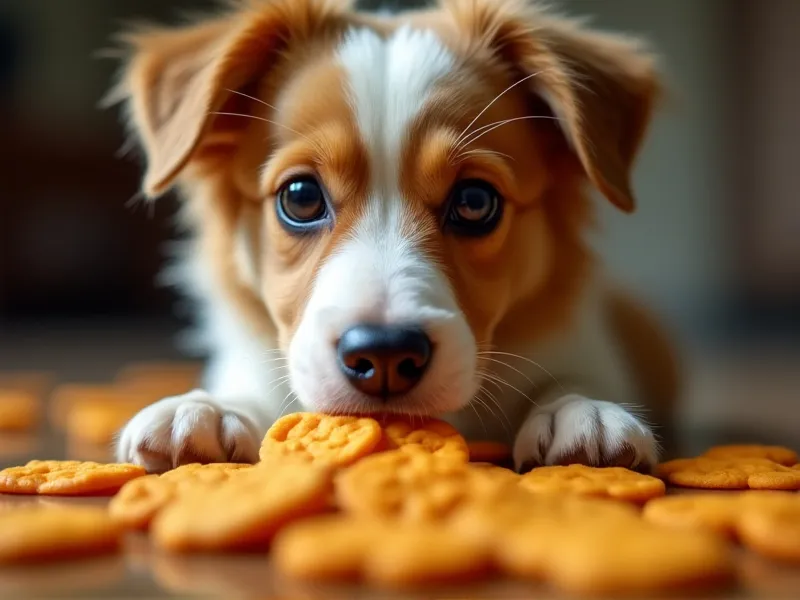
Table of Contents
- Can Dogs Eat Cheez-Its? The Short Answer
- Potential “Benefits” of Cheez-Its for Dogs (Spoiler: They’re Minimal)
- The Risks of Feeding Cheez-Its to Dogs: Why They’re Not Ideal
- High Sodium: A Hidden Danger
- Added Sugars: Empty Calories
- Artificial Additives: Unnecessary and Unhealthy
- Processed Carbs: Spikes and Slumps
- Choking Hazard: Small, Crunchy, and Risky
- If You Must Share: How Much Cheez-Its Are “Safe” for Dogs?
- Healthier Alternatives to Cheez-Its for Your Pup
- FAQ: Your Cheez-Its and Dogs Questions Answered
- Conclusion: Prioritize Your Dog’s Health (They’ll Thank You!)
- References
Can Dogs Eat Cheez-Its? The Short Answer
Let’s cut to the chase: Cheez-Its are not toxic to dogs, but they are far from a healthy snack. A single cracker here and there is unlikely to harm most dogs, but these cheesy, crunchy treats are packed with ingredients that can pose long-term risks—like excess salt, sugar, and processed carbs. Think of Cheez-Its as “junk food” for dogs: occasional, tiny portions might not cause immediate issues, but they offer no nutritional value and can lead to health problems over time.
To put it simply: Your dog doesn’t need Cheez-Its, and there are far better treats to share.
Potential “Benefits” of Cheez-Its for Dogs (Spoiler: They’re Minimal)
You might be thinking, “But Cheez-Its have cheese—isn’t that good for dogs?” It’s true that cheese, in moderation, can be a source of protein and calcium for dogs. However, Cheez-Its are not a good source of these nutrients. Let’s break down the “benefits” (and why they’re negligible):
1. Trace Amounts of Protein and Calcium
Cheez-Its contain cheese powder, which is derived from real cheese. Cheese does offer protein (for muscle health) and calcium (for bones and teeth). But here’s the catch: A serving of Cheez-Its (about 27 crackers) contains just 3 grams of protein—compare that to a 1-ounce slice of cheddar cheese, which has 7 grams of protein and far more calcium. Cheez-Its are mostly flour and salt, so the nutritional value from cheese is minimal.
2. Enriched Flour: A Few Added Vitamins
Most Cheez-Its are made with enriched wheat flour, which is fortified with vitamins like niacin (B3), thiamine (B1), and iron. While these are essential nutrients, dogs get all the vitamins and minerals they need from a balanced, high-quality dog food. Adding Cheez-Its to their diet is like giving them a multivitamin with a side of junk food—unnecessary and not worth the trade-off.
3. Whole Grain Varieties: A Tiny Boost of Fiber
Some Cheez-Its (like “Whole Grain” or “Reduced Fat”) contain whole wheat flour, which adds a small amount of dietary fiber. Fiber is good for digestion, but again—your dog’s regular food (especially if it’s grain-inclusive) already has plenty of fiber. A few Cheez-Its won’t move the needle on their daily fiber intake, and the added salt and sugar still make them a poor choice.
The Risks of Feeding Cheez-Its to Dogs: Why They’re Not Ideal
Now, let’s talk about the real issue: the risks. Cheez-Its are designed for human taste buds, which crave salt, sugar, and crunch. Unfortunately, these are exactly the things that can harm dogs—especially in large or frequent amounts.
1. High Sodium: A Threat to Kidney and Heart Health
Dogs need far less salt than humans. According to the AKC, a healthy dog should consume no more than 100 mg of sodium per 10 pounds of body weight per day. Let’s do the math: A single serving of Cheez-Its (27 crackers) contains 230 mg of sodium. For a 10-pound dog (like a Chihuahua or Pomeranian), that’s more than twice their daily recommended sodium intake! Even a 50-pound dog (like a Border Collie) should max out at 500 mg of sodium daily—so half a serving of Cheez-Its would take up nearly half their quota.
Excess sodium can lead to:
- Dehydration (increased thirst and urination)
- Sodium ion poisoning (vomiting, diarrhea, tremors, seizures in severe cases)
- Long-term kidney damage (since the kidneys filter salt)
- High blood pressure, which raises the risk of heart disease.
2. Added Sugars: Empty Calories and Weight Gain
Cheez-Its contain sugar (or “dextrose,” a type of sugar) to enhance flavor. While the amount per cracker is small (about 1 gram of sugar per serving), those calories add up. Sugar provides no nutritional value for dogs—just “empty calories” that contribute to obesity.
Obesity in dogs is a serious issue, linked to diabetes, joint pain, and shortened lifespans. A single Cheez-It has about 6 calories; if you share 5 crackers a day, that’s 30 extra calories—enough to cause weight gain over time, especially for small dogs.
3. Artificial Additives: Flavors, Colors, and Preservatives
Cheez-Its contain artificial flavors (like “cheese flavor”) and preservatives (like BHT) to keep them fresh. While the FDA considers these additives safe for humans, dogs can be more sensitive. Some dogs may experience stomach upset (vomiting, diarrhea) after eating artificial ingredients. BHT, in particular, has been linked to liver and kidney issues in animal studies when consumed in large amounts (though the risk from occasional Cheez-Its is low, it’s still unnecessary).
4. Processed Carbs: Blood Sugar Spikes and Energy Crashes
Cheez-Its are made with refined flour, which is a processed carbohydrate. When dogs eat refined carbs, their blood sugar spikes quickly, followed by a crash—leaving them lethargic or hyperactive. Over time, a diet high in processed carbs can increase the risk of insulin resistance and diabetes, especially in overweight dogs.
5. Choking Hazard: Small, Hard, and Crumbly
Cheez-Its are small, hard, and can crumble into sharp pieces. For small dogs or dogs who gulp their food, this poses a choking risk. The sharp edges could also scratch the throat or get stuck in the digestive tract, leading to blockages (a medical emergency).
If You Must Share: How Much Cheez-Its Are “Safe” for Dogs?
We get it—those puppy eyes are hard to resist. If you absolutely want to share a Cheez-It with your dog (on rare occasions), follow these guidelines to minimize risk:
- Stick to tiny portions: For small dogs (under 20 lbs), ½ to 1 cracker. For medium dogs (20-50 lbs), 1-2 crackers. For large dogs (over 50 lbs), 2-3 crackers. This is a maximum—less is better.
- Only occasionally: No more than once a week. Cheez-Its should never be a regular treat.
- Monitor for reactions: Watch for signs of stomach upset (vomiting, diarrhea), excessive thirst, or restlessness. If you notice any of these, stop sharing and contact your vet.
- Avoid if your dog has health issues: Dogs with diabetes, kidney disease, heart problems, or obesity should never eat Cheez-Its. The salt and sugar will worsen their conditions.
Healthier Alternatives to Cheez-Its for Your Pup
Instead of reaching for Cheez-Its, try these dog-safe snacks that are actually good for your furry friend:
1. Plain, Unsalted Cheese
Skip the processed cheese powder and go for the real thing! A small cube (1-2 ounces) of low-fat, unsalted cheese (like mozzarella or cheddar) is a great source of protein and calcium. Just avoid blue cheese (contains mold) or cheese with added herbs/spices.
2. Carrot Sticks
Crunchy, low-calorie, and packed with fiber and vitamin A, carrots are a favorite among dogs. They’re great for dental health (the crunch scrapes plaque) and safe for even small dogs.
3. Apple Slices (No Seeds!)
Apples are full of antioxidants and fiber. Remove the seeds (they contain small amounts of cyanide, which is toxic in large doses) and core, then slice into bite-sized pieces. A perfect sweet, crunchy treat.
4. Plain Rice Cakes
If your dog loves crunch, rice cakes are a low-sodium, low-calorie alternative. Look for plain, unsalted varieties—no added flavors or sugar.
5. Baked Sweet Potato Slices
Sweet potatoes are rich in fiber, beta-carotene (vitamin A), and potassium. Slice them thin, bake until crispy, and let cool. Your dog will think they’re getting a “cookie”!
6. Green Beans (Steamed or Raw)
Green beans are a great low-calorie snack for dogs watching their weight. They’re high in fiber and vitamins, and most dogs love their crunch.
FAQ: Your Cheez-Its and Dogs Questions Answered
Q: My dog ate a whole box of Cheez-Its! What should I do?
A: Don’t panic, but monitor your dog closely. A large amount of Cheez-Its can cause sodium poisoning, especially in small dogs. Symptoms include vomiting, diarrhea, excessive thirst, lethargy, or tremors. If you notice any of these, contact your vet immediately. Even if they seem fine, it’s a good idea to call your vet for guidance—they may recommend inducing vomiting or monitoring kidney function.
Q: Are “Whole Grain” or “Reduced Fat” Cheez-Its better for dogs?
A: Slightly better, but still not good. Whole grain versions add a tiny bit of fiber, and reduced-fat options have less fat, but they still contain high levels of sodium and sugar. The risks (like sodium overload) remain, so they’re not a safe alternative.
Q: Can puppies eat Cheez-Its?
A: Puppies have sensitive digestive systems and are still growing, so they need nutrient-dense food. Cheez-Its offer no nutritional value and can cause stomach upset. It’s best to avoid them entirely—stick to puppy-safe treats recommended by your vet.
Q: My dog has food allergies. Can they eat Cheez-Its?
A: Probably not. Cheez-Its contain wheat (a common allergen) and dairy (another allergen for many dogs). If your dog has allergies, even a small amount could trigger itching, ear infections, or digestive issues. Always check with your vet before introducing new snacks.
Q: Is it okay to give my dog Cheez-Its as a “reward” during training?
A: There are better options! Training treats should be small, low-calorie, and nutritious. Try freeze-dried liver, small pieces of cheese, or commercial training treats (look for low-sodium, high-protein options). Cheez-Its are too high in salt and sugar to be a regular training reward.
Conclusion: Prioritize Your Dog’s Health (They’ll Thank You!)
At the end of the day, Cheez-Its are a human snack—nothing more. While a tiny, occasional bite might not hurt, they offer no benefits and come with real risks, from sodium overload to obesity. Your dog deserves treats that nourish their body, not just their taste buds.
When in doubt, stick to whole, dog-safe foods like carrots, apples, or plain cheese. And if you’re ever unsure whether a snack is safe, consult your vet. They know your dog’s health history and can give personalized advice.
Your pup loves you unconditionally—show them the same love by keeping their diet healthy and balanced. After all, a happy dog is a healthy dog!
References
- American Kennel Club (AKC). “Can Dogs Eat Cheese?” akc.org/expert-advice/nutrition/can-dogs-eat-cheese
- ASPCA. “People Foods to Avoid Feeding Your Pets.” aspca.org/pet-care/animal-poison-control/people-foods-avoid-feeding-your-pets
- PetMD. “Sodium Poisoning in Dogs.” petmd.com/dog/conditions/toxicity/sodium-poisoning-dogs
- Veterinary Centers of America (VCA). “Nutrition for Dogs.” vca.com/pet-care/nutrition/nutrition-dogs