· 8 min read
Can Dogs Eat Chapstick? What Pet Parents Need to Know
Picture this: You’re rushing to get ready, chapstick in hand, when your curious pup trots by, snatches the tube, and trots off—tail wagging, tube now a chew toy. Panic sets in. Is this dangerous? Will my dog get sick? If you’ve ever found yourself in this scenario, you’re not alone. Chapstick is a household staple, but when it comes to our furry friends, even the smallest items can spark big questions.
Dogs are notorious for exploring the world with their mouths, and chapstick—with its waxy texture, sweet scents, and tiny size—can be irresistible. But is it safe? Let’s dive into the details, separate fact from fiction, and help you keep your pup healthy and happy.
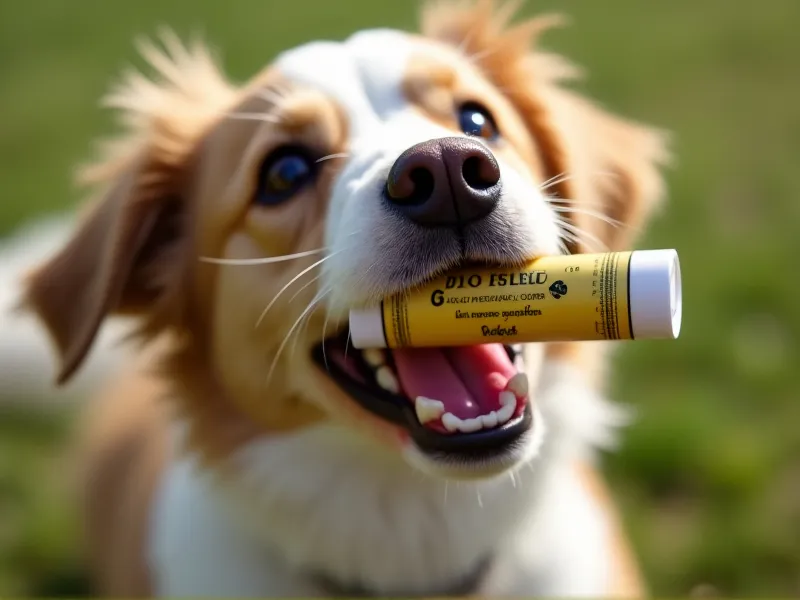
Table of Contents
- What Is Chapstick, Anyway?
- Can Dogs Eat Chapstick? The Short Answer
- Potential Risks of Chapstick for Dogs
- Are There Any Benefits? Spoiler: No
- What to Do If Your Dog Eats Chapstick
- Healthier Alternatives to Chapstick for Dogs
- FAQ: Your Chapstick Questions Answered
- Conclusion: Keep Chapstick Out of Paws
What Is Chapstick, Anyway?
Before we can answer whether dogs can eat chapstick, let’s clarify what chapstick is. Chapstick (often used as a generic term for lip balm) is a product designed to moisturize and protect human lips. Its core ingredients typically include:
- Waxes (beeswax, carnauba wax) to lock in moisture.
- Oils (mineral oil, coconut oil, jojoba oil) for hydration.
- Emollients (petroleum jelly, shea butter) to soothe dryness.
- Additives (flavors, fragrances, dyes, SPF, or sweeteners like xylitol in sugar-free versions).
While these ingredients are generally safe for humans to apply topically (and even accidentally lick in small amounts), dogs have different metabolisms and sensitivities—making chapstick a potential hazard.
Can Dogs Eat Chapstick? The Short Answer
No, dogs should not eat chapstick.
Chapstick is not food, and even small amounts can pose risks. While a single lick of plain lip balm might not harm your dog, ingestion of larger quantities (or chapstick containing toxic ingredients) can lead to serious health issues. To keep it simple: Chapstick belongs on your lips, not in your dog’s mouth.
Potential Risks of Chapstick for Dogs
Let’s break down the dangers, from toxic ingredients to physical hazards.
Toxic Ingredients: Xylitol, Fragrances, and More
The biggest threat in chapstick often lies in its additives. Here are the most common culprits:
Xylitol: A Deadly Sweetener
Xylitol is a sugar substitute found in many “sugar-free” products, including some lip balms (especially mint or fruit-flavored varieties). While safe for humans, xylitol is extremely toxic to dogs.
When a dog ingests xylitol, it triggers a rapid release of insulin, causing blood sugar to plummet (hypoglycemia). Symptoms can appear within 10–60 minutes and include:
- Vomiting
- Weakness or lethargy
- Loss of coordination
- Seizures
- Liver failure (in severe cases)
Even a small amount—just 0.1 grams per pound of body weight—can be dangerous. For example, a 10-pound dog could be poisoned by as little as 1 gram of xylitol (about the amount in a single sugar-free gum, but some lip balms contain similar levels).
Source: The Pet Poison Helpline notes that xylitol is one of the top toxins for dogs, with ingestion often leading to life-threatening emergencies.
Fragrances and Dyes
Many chapsticks contain artificial fragrances (e.g., vanilla, cherry, citrus) or dyes to make them more appealing. These chemicals are not meant to be ingested and can irritate a dog’s digestive tract, leading to vomiting or diarrhea. Some dogs may also have allergic reactions, such as itching or swelling.
Petroleum Jelly (Mineral Oil)
Petroleum jelly is a common ingredient in lip balms, and while it’s not highly toxic, large amounts can cause gastrointestinal upset. If a dog eats a glob of petroleum jelly, it may lead to loose stools or diarrhea as the body tries to pass the indigestible substance.
Physical Hazards: Choking and Intestinal Blockages
Beyond toxic ingredients, the chapstick tube itself is a major risk. Dogs love to chew, and the small, cylindrical tube can easily break into pieces, which may:
- Choke your dog if a chunk gets stuck in their throat.
- Cause an intestinal blockage if swallowed. Blockages are life-threatening and often require surgery to remove.
Even “empty” tubes can be dangerous—residue inside may still contain harmful ingredients, and the plastic itself is indigestible.
Gastrointestinal Upset
Even chapstick without toxic ingredients can upset your dog’s stomach. The combination of waxes, oils, and additives can be hard for their digestive system to process, leading to:
- Nausea
- Vomiting
- Diarrhea
- Abdominal pain
While these symptoms are usually mild if only a small amount is ingested, they’re still uncomfortable for your pup and worth avoiding.
Are There Any Benefits? Spoiler: No
You might be wondering, “But what if it’s ‘natural’ chapstick? Could it have nutrients like fiber or potassium?” Let’s set the record straight:
Chapstick has no nutritional value for dogs.
Even lip balms made with “natural” ingredients (e.g., coconut oil, beeswax) are not designed to be food. While coconut oil is safe for dogs in small, controlled amounts (applied topically or as a treat), chapstick contains other ingredients (like fragrances or preservatives) that negate any potential benefits.
Dogs get all the nutrients they need from a balanced diet—chapstick offers nothing but risk.
What to Do If Your Dog Eats Chapstick
Accidents happen! If you catch your dog munching on chapstick, stay calm and follow these steps:
1. Check the Ingredients
Grab the chapstick tube (or a photo of the label) and look for red flags:
- Xylitol: If listed, this is an emergency. Call your vet or the Pet Poison Helpline (855-764-7661) immediately.
- Fragrances, dyes, or SPF: These may cause irritation but are less urgent unless your dog shows symptoms.
- Plain ingredients (beeswax, coconut oil): Still monitor for upset stomach, but not an emergency.
2. Assess the Amount Ingested
Did your dog take a single lick, chew a small piece of the tube, or swallow the whole thing? A tiny amount is less concerning than a full tube, but when in doubt, contact your vet.
3. Monitor for Symptoms
Watch your dog closely for 24 hours. Call your vet right away if you notice:
- Vomiting (especially repeated or projectile)
- Diarrhea (bloody or persistent)
- Lethargy or weakness
- Loss of appetite
- Seizures or tremors (signs of xylitol toxicity)
- Difficulty breathing (possible choking)
4. Do NOT Induce Vomiting Unless Told to Do So
Never try to make your dog throw up without consulting a vet. Some substances (like petroleum jelly) can cause aspiration if vomited, and xylitol toxicity requires specific treatment (e.g., IV glucose) that vomiting won’t address.
Healthier Alternatives to Chapstick for Dogs
The best “alternative” is to keep chapstick away from your dog entirely. But if you’re looking for ways to soothe your pup’s dry nose or paws (since dogs don’t have dry lips like humans!), try these pet-safe options:
Pet-Safe Nose/Paw Balms
Brands like Burt’s Bees for Dogs or Natural Dog Company make balms specifically for dogs, with ingredients like shea butter, coconut oil, and vitamin E—no toxic additives. These are designed to be licked safely in small amounts.
Coconut Oil
A tiny dab of organic, unrefined coconut oil can moisturize your dog’s nose or paws. Just make sure they don’t lick too much, as excess can cause diarrhea.
Petroleum Jelly (Sparingly)
Plain petroleum jelly (without fragrances or additives) is safe for dogs in very small amounts. Apply a thin layer to dry areas, but keep an eye on them to prevent over-licking.
Store Chapstick Safely!
The easiest way to protect your dog is to store chapstick where they can’t reach it: high shelves, closed drawers, or a medicine cabinet. Dogs are curious climbers, so don’t underestimate their ability to find “hidden” items!
FAQ: Your Chapstick Questions Answered
Q: My dog licked a little bit of my chapstick—should I worry?
A: Probably not, but monitor them for 24 hours. If the chapstick contained xylitol, call your vet immediately. Otherwise, mild stomach upset (if any) should pass.
Q: Is xylitol the only dangerous ingredient in chapstick?
A: No. Fragrances, dyes, and SPF can irritate, and the plastic tube poses a choking/blockage risk. Xylitol is just the most toxic.
Q: Can dogs eat lip balm with beeswax?
A: Beeswax itself is non-toxic, but the lip balm may contain other harmful ingredients. A small lick of plain beeswax balm is unlikely to harm, but it’s still not recommended.
Q: How do I keep my dog from eating chapstick?
A: Store it in a secure, high place. Keep counters and nightstands clear. If your dog is a chewer, provide safe alternatives (like Kong toys) to redirect their behavior.
Conclusion: Keep Chapstick Out of Paws
At the end of the day, chapstick is for humans—not dogs. It offers no benefits, contains potentially toxic ingredients, and poses physical risks like choking or blockages. While accidents happen, being proactive (storing chapstick safely, using pet-safe products for your dog’s needs) is the best way to keep your furry friend healthy.
If your dog does ingest chapstick, stay calm, check the label, and don’t hesitate to call your vet. They’re your best resource for guidance tailored to your dog’s size, health, and the specific chapstick ingested.
Your dog’s curiosity is part of what makes them lovable—but when it comes to chapstick, a little prevention goes a long way. Here’s to happy, healthy pups (and intact lip balm tubes)!
References:
- American Society for the Prevention of Cruelty to Animals (ASPCA). “Xylitol Toxicity in Dogs.”
- Pet Poison Helpline. “Xylitol Poisoning in Dogs.”
- VCA Animal Hospitals. “Lip Balm Ingestion in Dogs.”
- Natural Dog Company. “Pet-Safe Balm Ingredients.”