· 9 min read
Can Dogs Eat Cat Food? The Surprising Truth Every Pet Parent Should Know
You’re rushing to get out the door for your morning walk, and in the blink of an eye, your labrador mix has commandeered the cat’s food bowl, crunching away like it’s the best meal they’ve ever had. If you share your home with both dogs and cats, this scene is probably all too familiar. Cat food seems to hold an almost magical allure for dogs—maybe it’s the higher protein content, the savory smell, or just the thrill of stealing something “forbidden.” But as you gently (or not-so-gently) redirect your pup, you can’t help but wonder: Is cat food actually dangerous for dogs? Can a few bites hurt them, or is it no big deal?
In this post, we’ll answer that burning question, break down the potential pros and cons of dogs eating cat food, and give you clear guidelines to keep your furry friend safe. Whether you’re dealing with a serial kibble thief or just curious about cross-species snacking, read on to become a more informed pet parent.
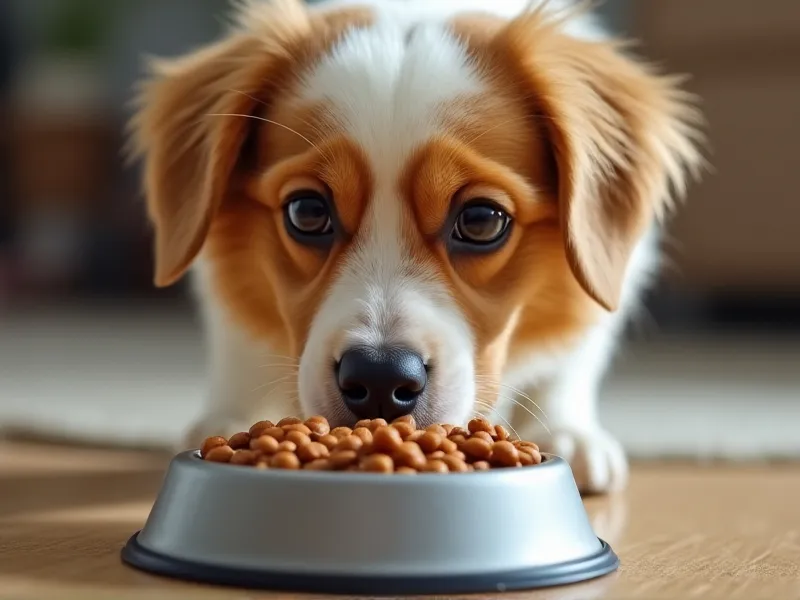
Table of Contents
- Can Dogs Eat Cat Food? The Short Answer
- Why Do Dogs Love Cat Food So Much?
- Potential Benefits of Cat Food for Dogs (Yes, There Are a Few!)
- The Risks: Why Cat Food Isn’t Ideal for Dogs
- How Much Cat Food Is Safe for Dogs?
- Healthier Alternatives to Cat Food for Dogs
- FAQ: Your Most Pressing Questions Answered
- Conclusion: Moderation is Key
- References
1. Can Dogs Eat Cat Food? The Short Answer
Let’s cut to the chase: Cat food isn’t toxic to dogs, but it’s not nutritionally balanced for them, either. A small bite or two here and there is unlikely to cause harm, but making cat food a regular part of your dog’s diet can lead to health issues over time.
Here’s why: Dogs and cats have vastly different dietary needs. Cats are “obligate carnivores,” meaning they must eat meat to survive—their bodies can’t produce essential nutrients like taurine or arachidonic acid on their own, so they need high levels of these in their food. Dogs, on the other hand, are omnivores. They thrive on a mix of protein, grains, fruits, and veggies, and their bodies don’t require the same extreme levels of protein, fat, or certain cat-specific nutrients.
So, while your dog might love the taste of cat food (we’ll get to why in a minute!), it’s simply not formulated to meet their long-term nutritional needs.
2. Why Do Dogs Love Cat Food So Much?
If you’ve ever watched your dog eye the cat’s bowl like it’s a five-star buffet, you’re not alone. There are a few reasons cat food is so irresistible to dogs:
- Higher Protein & Fat Content: Cat food is packed with protein (often 30-40% vs. 18-26% in dog food) and fat (10-20% vs. 8-15% in dog food). These make it more aromatic and flavorful—think of it as the “junk food” of the pet world for dogs.
- Stronger Smell: Thanks to those higher fat and protein levels, cat food has a more intense aroma that dogs (with their 125-300 million scent receptors!) find irresistible.
- Texture: Wet cat food, in particular, has a meaty, pate-like consistency that many dogs find more appealing than their own kibble.
3. Potential Benefits of Cat Food for Dogs (Yes, There Are a Few!)
Before we dive into the risks, let’s acknowledge that small amounts of cat food can offer some perks—though these are situational and not a reason to make it a staple.
Extra Protein for Active Dogs
If your dog is highly active (think agility training, long hikes, or working breeds like Border Collies), a tiny bite of cat food could provide a quick protein boost. Protein helps repair muscles and keep energy levels up, so a few kibbles might act as a “power snack” after a tough workout.
Fiber for Digestive Health
Some cat foods include fiber-rich ingredients like sweet potatoes, pumpkin, or beet pulp (to help with hairballs in cats). In small doses, this fiber could help a dog with occasional constipation—though there are better, dog-specific ways to add fiber to their diet (more on that later!).
Potassium for Electrolyte Balance
Potassium is an essential mineral for dogs, supporting heart health, muscle function, and hydration. Many cat foods contain potassium-rich ingredients like bananas, spinach, or fish, so a small amount could help replenish electrolytes if your dog is recovering from mild dehydration (e.g., after a hot day outside).
4. The Risks: Why Cat Food Isn’t Ideal for Dogs
Now, let’s get serious. While a few bites won’t hurt, regular or large amounts of cat food can lead to some unpleasant (and even dangerous) issues. Here’s what to watch out for:
Stomach Upset (Diarrhea, Vomiting, Gas)
Dogs’ digestive systems aren’t built to handle the high fat and protein in cat food. Even a single bowl can cause gastrointestinal distress: loose stools, vomiting, or bloating. Small dogs and puppies are especially sensitive, as their tummies are more delicate.
Pancreatitis (A Serious Inflammation Risk)
Pancreatitis occurs when the pancreas becomes inflamed, often due to a high-fat diet. Dogs are prone to this condition, and cat food—with its elevated fat content—is a known trigger. Symptoms include severe abdominal pain, vomiting, lethargy, and loss of appetite. In severe cases, pancreatitis can be life-threatening and requires immediate veterinary care. Breeds like Miniature Schnauzers, Cocker Spaniels, and Yorkshire Terriers are at higher risk.
Obesity & Weight Gain
Cat food is calorie-dense: a 1-cup serving of dry cat food can have 300-500 calories, compared to 250-400 calories in dog food of the same size. If your dog sneaks cat food regularly, those extra calories add up fast, leading to obesity. Obesity in dogs increases the risk of diabetes, joint pain, heart disease, and a shorter lifespan.
Nutrient Imbalances Over Time
Dogs and cats need different levels of key nutrients, and cat food’s “excesses” can throw a dog’s diet out of whack:
- Taurine: Cats need taurine to survive (it supports vision and heart health), but dogs produce their own. Too much taurine from cat food isn’t toxic, but it can interfere with other amino acids.
- Arachidonic Acid: Another cat必需 nutrient that dogs don’t need in high amounts. Excess can lead to inflammation.
- Vitamin A: Cat food has high levels of vitamin A (from liver or fish oil). Dogs can store vitamin A, so long-term overconsumption can cause toxicity, leading to joint pain, bone deformities, or even organ damage.
Choking Hazard
Dry cat food kibble is smaller than dog food kibble, which means dogs (especially greedy eaters) might gulp it down without chewing, increasing the risk of choking or intestinal blockages.
5. How Much Cat Food Is Safe for Dogs?
The golden rule: Cat food should be an occasional treat, not a meal. Here’s a general guideline based on your dog’s size:
- Small dogs (under 20 lbs): 1-2 dry cat food kibbles, or 1-2 teaspoons of wet cat food, once in a blue moon.
- Medium dogs (20-50 lbs): 3-4 dry kibbles, or 1 tablespoon of wet cat food, rarely.
- Large dogs (50+ lbs): Up to 1/8 cup of dry kibble, or 2 tablespoons of wet food, on occasion (and only if they don’t have health issues like pancreatitis or obesity).
Important exceptions: If your dog has a history of pancreatitis, diabetes, obesity, or digestive issues, even a tiny bite could be risky. Always check with your vet first.
If your dog does sneak a whole bowl (we’ve all been there!), don’t panic. Monitor them for 24 hours for symptoms like vomiting, diarrhea, or lethargy. If they seem fine, they’ll probably just have a messy stool. If symptoms persist, call your vet.
6. Healthier Alternatives to Cat Food for Dogs
Instead of letting your dog steal the cat’s food, try these dog-safe snacks that are tasty, nutritious, and formulated for their needs:
Lean Proteins
- Cooked chicken/turkey: Plain, unseasoned, skinless meat is a great protein source.
- Salmon: Rich in omega-3s for coat health (cooked, no bones).
- Greek yogurt: Plain, unsweetened yogurt has protein and probiotics for digestion.
Veggies & Fruits
- Carrots/green beans: Crunchy, low-calorie, and full of fiber.
- Pumpkin: Canned, unsweetened pumpkin is a dog-safe fiber boost for constipation or diarrhea.
- Blueberries: Packed with antioxidants and vitamins (a favorite for training treats!).
Commercial Dog Treats
Look for high-quality dog treats with limited ingredients, like freeze-dried liver, sweet potato chews, or dental sticks. Brands like Zuke’s, Wellness, or Blue Buffalo offer options tailored to dogs’ nutritional needs.
Homemade Dog Food Toppers
Mix a spoonful of plain, cooked quinoa, mashed banana, or bone broth into their kibble to make it more appealing—no cat food required!
7. FAQ: Your Most Pressing Questions Answered
Q: My dog ate a whole bowl of cat food. Should I rush to the vet?
A: Probably not, but monitor them closely. Most dogs will just have an upset stomach. If they vomit more than once, have diarrhea for over 24 hours, or seem lethargic, call your vet.
Q: Is wet cat food worse than dry cat food for dogs?
A: Both have risks, but wet cat food is higher in fat and moisture, which might lead to looser stools. Dry cat food has more calories per bite, so overeating could cause obesity faster.
Q: Can puppies eat cat food?
A: Puppies have sensitive digestive systems and specific nutritional needs (like extra calcium for growth). Cat food is too rich for them and could cause diarrhea or stunted growth. Stick to puppy-formulated food.
Q: My dog only wants cat food—how do I get them to eat their own kibble?
A: Try mixing a small amount of dog-safe toppers (like chicken broth or pumpkin) into their kibble. Also, feed your pets separately: feed the cat in a high place (like a counter) where the dog can’t reach, and pick up uneaten food after 15 minutes.
Q: Is cat food better for dogs than cheap dog food?
A: No. Even low-quality dog food is formulated to meet dogs’ basic nutritional needs, while cat food is not. Invest in a mid-to-high-quality dog food with real meat as the first ingredient.
8. Conclusion: Moderation is Key
At the end of the day, the occasional cat food heist is unlikely to harm your dog—but it’s not something to encourage. Dogs and cats have unique dietary needs, and cat food is simply too rich, too high in certain nutrients, and too calorie-dense to be a regular part of your dog’s diet.
If you’re concerned about your dog’s diet, or if they have a habit of sneaking cat food, talk to your vet. They can help you choose a dog food that’s tasty, nutritious, and tailored to your pup’s age, breed, and activity level.
Remember: A happy, healthy dog is one who eats a balanced diet—with the occasional dog-safe treat. So next time Fido eyes Fluffy’s bowl, redirect them with a carrot stick or a piece of chicken, and save the cat food for the true carnivore in the house.
9. References
- American Society for the Prevention of Cruelty to Animals (ASPCA). “People Foods to Avoid Feeding Your Pets.” aspca.org/pet-care/animal-poison-control/people-foods-avoid-feeding-your-pets
- VCA Animal Hospitals. “Nutritional Requirements of Dogs.” vcahospitals.com/know-your-pet/nutritional-requirements-of-dogs
- PetMD. “Can Dogs Eat Cat Food?” petmd.com/dog/nutrition/can-dogs-eat-cat-food
- The American College of Veterinary Nutrition (ACVN). “Dietary Guidelines for Dogs.” acvn.org/nutrition-guidelines