· 7 min read
Can Dogs Eat Fried Catfish? Risks, Benefits & Safe Guidelines for Pet Parents
It’s a lazy Sunday evening, and you’ve just brought home a heaping plate of fried catfish—golden, crispy, and smelling like a summer cookout. As you take your first bite, your dog trots over, tail thumping, eyes locked on your plate. “C’mon, just one tiny bite?” you think. After all, catfish is a mild, flaky fish—surely it’s harmless, right? But before you pass that crispy morsel, let’s get the facts straight: Can dogs eat fried catfish?
The answer isn’t a simple “yes” or “no.” While plain, cooked catfish can offer nutritional benefits, frying adds layers of risk that could harm your pup. In this guide, we’ll break down the pros and cons, share safe feeding guidelines, and offer healthier alternatives to keep your furry friend happy and healthy.
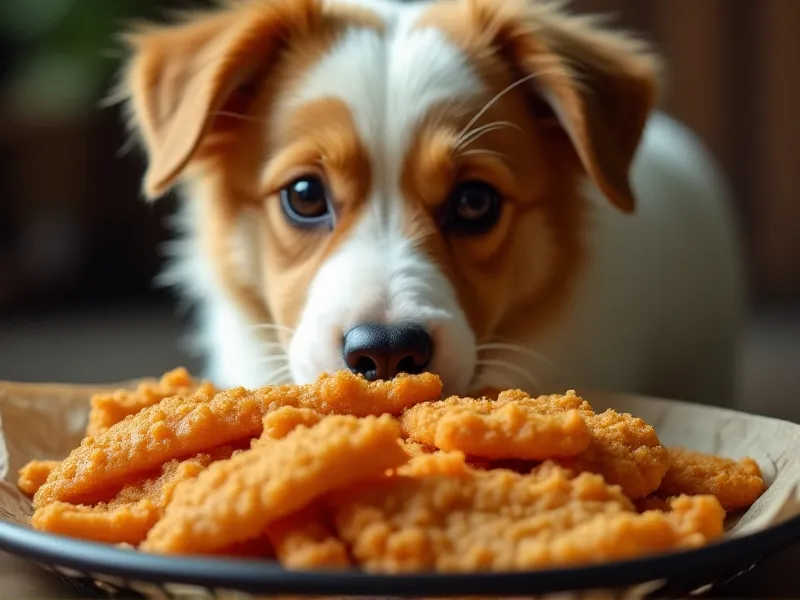
Table of Contents
- Can Dogs Eat Fried Catfish? The Short Answer
- What Makes Catfish (Plain) a Nutritional Powerhouse?
- The Risks of Fried Catfish for Dogs: Why It’s a Bad Idea
- Safe Feeding Guidelines: If You Must Share
- Healthier Alternatives to Fried Catfish
- FAQ: Your Top Questions Answered
- Conclusion: Prioritize Your Pup’s Health
- References
Can Dogs Eat Fried Catfish? The Short Answer
Dogs can technically eat small, occasional bites of fried catfish, but it’s not recommended.
Here’s why: Plain, cooked catfish (without breading, seasoning, or oil) is a nutritious treat for dogs, packed with protein and omega-3s. But frying transforms it into a high-fat, high-sodium snack loaded with potential hazards—like greasy oil, choking risks, and toxic additives. For most dogs, the risks of fried catfish far outweigh any benefits.
What Makes Catfish (Plain) a Nutritional Powerhouse?
Before we dive into the downsides of frying, let’s highlight why catfish itself is a great fish for dogs—when prepared properly.
1. Lean Protein for Muscle Health
Catfish is rich in high-quality protein, which supports muscle growth, repair, and overall energy. Protein is essential for dogs of all ages, from playful puppies to senior pups needing to maintain muscle mass.
2. Omega-3 Fatty Acids for Skin & Coat
Like many fish, catfish contains omega-3 fatty acids (EPA and DHA), which reduce inflammation, support joint health, and keep your dog’s coat shiny and skin itch-free. These fats also benefit brain function—especially important for aging dogs.
3. Key Vitamins & Minerals
Catfish is a good source of:
- Vitamin B12: Critical for nerve function and red blood cell production.
- Selenium: An antioxidant that boosts immune health and protects cells from damage.
- Potassium: Supports heart health and regulates blood pressure.
- Phosphorus: Works with calcium to keep bones and teeth strong.
The Risks of Fried Catfish for Dogs: Why It’s a Bad Idea
Fried catfish isn’t just catfish—it’s catfish coated in breading, fried in oil, and often seasoned. These additions turn a nutrient-dense fish into a risky snack. Let’s break down the dangers:
1. High Fat Content = Pancreatitis Risk
Fried foods are loaded with unhealthy fats. Dogs have sensitive digestive systems, and a sudden influx of fat can trigger pancreatitis—a painful, potentially life-threatening inflammation of the pancreas. Symptoms include vomiting, diarrhea, lethargy, and loss of appetite. Even small amounts of fried catfish can put dogs (especially small breeds or those with a history of pancreatitis) at risk.
2. Breading: Hidden Toxins & Excess Salt
Most fried catfish is coated in breading or batter, which often contains:
- Salt: Too much sodium causes excessive thirst, dehydration, and kidney strain. Dogs need only a tiny amount of salt daily (about 100mg per 10lbs of body weight)—a single piece of fried catfish can exceed that.
- Spices: Onion powder, garlic powder, paprika, or chili flakes are common in breading. Onions and garlic are toxic to dogs, causing red blood cell damage (anemia). Even small amounts can be harmful.
- Additives: Some batters include xylitol (a sugar substitute toxic to dogs) or preservatives that irritate sensitive stomachs.
3. Bones: A Choking Hazard
Catfish have small, bristle-like bones (called “pin bones”) that are hard to spot, even after cooking. These bones can lodge in your dog’s throat, causing choking, or puncture the intestines if swallowed—leading to infection or blockages.
4. Grease & Oil: Stomach Upset
The oil used for frying (like vegetable or canola oil) is heavy and hard for dogs to digest. Even a small bite can cause diarrhea, vomiting, or “garbage gut”—a colloquial term for gastrointestinal upset from fatty foods.
5. Empty Calories = Weight Gain
Fried catfish is calorie-dense: A single piece can have 200+ calories (most of which come from fat). Feeding this regularly leads to obesity, which raises the risk of diabetes, joint pain, and heart disease in dogs.
Safe Feeding Guidelines: If You Must Share
We get it—those puppy eyes are hard to resist. If you decide to share a tiny bite of fried catfish with your dog, follow these strict rules to minimize risk:
1. Keep It Tiny & Rare
- Portion size: A bite-sized piece (about the size of your thumbnail) for small dogs (under 20lbs), 1-2 bites for medium dogs (20-50lbs), and 2-3 bites for large dogs (over 50lbs).
- Frequency: Once every few months, at most. Fried catfish should never be a regular treat.
2. Remove All Breading & Seasoning
Scrape off as much breading as possible—this reduces fat, salt, and toxic additives. Avoid any catfish with visible spices, onions, or garlic.
3. Check for Bones
Thoroughly inspect the fish for pin bones. Even a small bone can be dangerous, so err on the side of caution and only share boneless pieces.
4. Monitor for Reactions
After feeding, watch for signs of upset: vomiting, diarrhea, lethargy, or loss of appetite. If you notice any of these, contact your vet immediately.
Healthier Alternatives to Fried Catfish
Instead of fried catfish, treat your dog to these safer, nutrient-packed options:
1. Plain, Cooked Catfish
Skip the frying! Bake, boil, or steam catfish until flaky (no seasoning, oil, or salt). This保留了所有营养,没有风险。A 3-4oz serving (for a medium dog) makes a great occasional treat.
2. Other Fish: Salmon, Whitefish, or Tilapia
- Salmon: Rich in omega-3s (even more than catfish!)—just cook it plain and remove bones.
- Whitefish (cod, haddock): Low in mercury and easy to digest.
- Tilapia: Mild flavor and high protein, ideal for picky eaters.
3. Lean Proteins
Cooked chicken, turkey, or lean beef (no seasoning) are safer, lower-fat alternatives to fried fish.
4. Veggie Treats
Carrots, green beans, or sweet potato (cooked, plain) are low-calorie, high-fiber snacks that most dogs love.
FAQ: Your Top Questions Answered
Q: Can dogs eat catfish bones?
A: No. Catfish bones are small and sharp, posing a choking or intestinal blockage risk. Always remove bones before feeding any fish to your dog.
Q: Is fried catfish toxic to dogs?
A: Not inherently, but it’s high-risk. The oil, breading, and fat can cause pancreatitis, stomach upset, or worse. Toxic ingredients like onion powder in breading make it even more dangerous.
Q: My dog ate a whole piece of fried catfish—what should I do?
A: Monitor closely. Watch for vomiting, diarrhea, lethargy, or loss of appetite. If symptoms appear within 24 hours, contact your vet—pancreatitis can develop quickly.
Q: Are there any safe seasonings for catfish given to dogs?
A: No. Dogs should never eat seasoned food. Even “mild” spices like salt or pepper can upset their stomachs. Plain is best!
Q: Can dogs eat catfish skin?
A: It’s not recommended. Catfish skin is high in fat, which can trigger pancreatitis. Stick to the flesh only.
Conclusion: Prioritize Your Pup’s Health
While sharing a tiny bite of fried catfish with your dog is unlikely to cause immediate harm, it’s far from a healthy choice. The risks—pancreatitis, choking, and obesity—outweigh the nutritional benefits of the fish itself.
Instead, opt for plain, cooked catfish or other lean proteins as occasional treats. And when in doubt, consult your vet—they can help you choose snacks that align with your dog’s age, breed, and health needs.
Your pup’s tail wags and healthy tail wags are worth more than a crispy bite of fish. Keep those treats safe, and your furry friend will thank you!
References
- American Kennel Club (AKC). “Can Dogs Eat Fish?” akc.org
- ASPCA. “Toxic and Non-Toxic Plant List—Dogs.” aspca.org (Note: While focused on plants, the ASPCA also warns against onion/garlic toxicity in dogs.)
- VCA Hospitals. “Pancreatitis in Dogs.” vcahospitals.com
- PetMD. “Fish for Dogs: Benefits and Risks.” petmd.com