· 9 min read
Why Do Dogs Eat Cat Poop? Is It Safe? The Ultimate Guide for Pet Parents
We’ve all been there: You’re folding laundry, half-watching Netflix, when you hear a suspicious rustle from the bathroom. You peek in to find your dog—your sweet, normally well-behaved pup—with their nose buried in the cat litter box, tail wagging like they’ve just discovered a five-star buffet. Cue the panic, the grossed-out gag, and the desperate Google search: “Why is my dog eating cat poop?! Is this dangerous?!”
If you’re a pet parent to both dogs and cats, this scenario is probably all too familiar. Coprophagia (the fancy term for eating feces) is one of the most common (and cringe-worthy) behaviors dogs exhibit, and cat poop seems to top their “snack” list. But is it harmful? Could there be a hidden reason behind their obsession? Let’s dive into the messy truth.
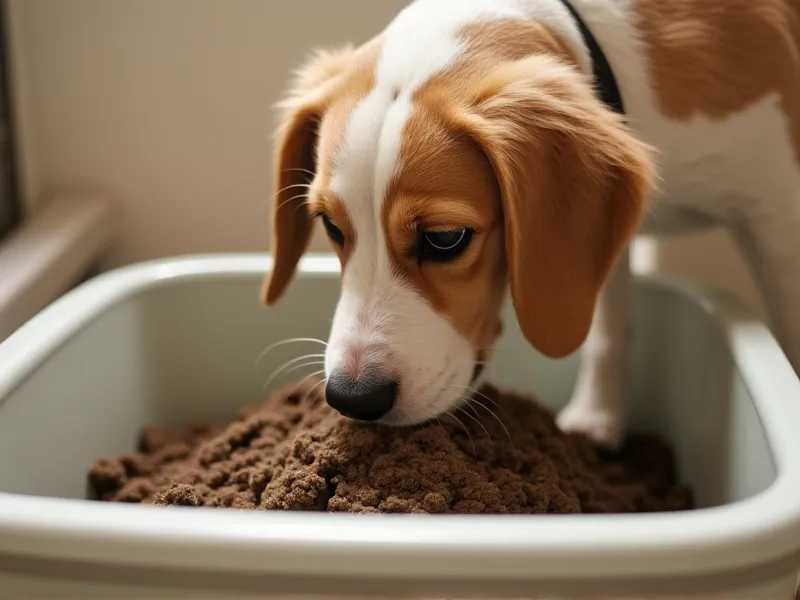
Table of Contents
- Can Dogs Eat Cat Poop? The Short Answer
- Why Do Dogs Find Cat Poop So Tempting?
- Are There Any “Benefits” to Dogs Eating Cat Poop?
- The Risks: Why Cat Poop Isn’t a Safe Snack
- How Much Cat Poop Is “Safe” for Dogs? (Hint: None)
- Healthier Alternatives to Satisfy Their Cravings
- FAQ: Your Most Pressing Questions Answered
- Conclusion: Keep the Litter Box Off the Menu
Can Dogs Eat Cat Poop? The Short Answer
Let’s cut to the chase: Technically, dogs can eat cat poop—it’s not immediately toxic in small amounts. But that doesn’t mean it’s safe, healthy, or something you should tolerate. Think of it like junk food for dogs: Just because they can eat it doesn’t mean they should.
Cat poop may seem harmless, but it comes with a host of hidden risks (more on that later). And while your dog might act like they’ve hit the jackpot, this “snack” could lead to upset tummies, infections, or worse. So, the verdict? Keep the litter box off-limits.
Why Do Dogs Find Cat Poop So Tempting?
Before we judge our dogs too harshly, let’s try to understand their motivation. There’s actually a method to their madness (gross as it is). Here are the top reasons dogs can’t resist cat poop:
1. Evolutionary Instincts
Dogs are descendants of wolves, and wolves (like many wild animals) sometimes eat feces to clean their dens, avoid attracting predators, or even recover nutrients from partially digested food. While your couch potato pup isn’t exactly a wild wolf, this scavenging instinct is hardwired.
2. Cat Food = Tasty Poop
Cat food is way higher in protein and fat than dog food (cats are obligate carnivores, after all). This means cat poop retains more of that “meaty” scent—something dogs find irresistible. To your dog, cat poop might smell like a leftover steak dinner!
3. Boredom or Curiosity
Puppies, in particular, explore the world with their mouths. If your dog is bored, understimulated, or just plain curious, the litter box becomes an adventure zone. It’s new, it smells interesting, and hey—why not take a bite?
4. Nutrient Deficiencies (Rare, But Possible)
In some cases, dogs may seek out feces if they’re missing key nutrients (like fiber, vitamins, or minerals) in their diet. If your dog’s food is low-quality or unbalanced, they might turn to cat poop as a (misguided) way to “supplement.”
Are There Any “Benefits” to Dogs Eating Cat Poop?
Let’s get this out of the way: There are no meaningful benefits to dogs eating cat poop. Any “upsides” are negligible at best—and massively outweighed by the risks. But for the sake of thoroughness, let’s address the rumors:
Trace Nutrients? Maybe, But Not Enough to Matter
Cat poop might contain tiny amounts of undigested protein, fiber, or potassium from your cat’s food. But these are in such small quantities that they won’t improve your dog’s health. Your dog would need to eat a lot of cat poop to get any real nutritional value—and by then, the risks would have already kicked in.
“Natural” Fiber? No Thanks
Some people claim cat poop is a “natural” source of fiber. But your dog’s diet should already include plenty of fiber (from high-quality dog food, pumpkin, or veggies). There’s no need to rely on… litter box leftovers.
The Risks: Why Cat Poop Isn’t a Safe Snack
Now, the important part: The dangers of letting your dog munch on cat poop. Even a single “snack” can lead to problems, so it’s crucial to be aware of these risks:
1. Parasites: A Hidden Threat
Cat poop is a common carrier of parasites like Toxoplasma gondii (from cats that hunt mice), roundworms, hookworms, and tapeworms. These parasites can infect your dog when they eat the feces, leading to symptoms like diarrhea, vomiting, weight loss, or even organ damage. In severe cases, some parasites (like Toxoplasma) can be transmitted to humans, too—especially children or people with weakened immune systems.
Source: VCA Hospitals
2. Bacterial Infections
Cat feces can harbor harmful bacteria like E. coli, Salmonella, or Campylobacter. These can cause gastrointestinal upset in dogs (think diarrhea, vomiting, or stomach pain) and, in rare cases, spread to humans via contact with your dog’s mouth or paws.
Source: AVMA (American Veterinary Medical Association)
3. Litter Box Hazards
It’s not just the poop itself—litter can be dangerous, too. Clumping litter, for example, can expand in your dog’s stomach or intestines if ingested, leading to blockages (a life-threatening emergency). Even non-clumping litter can cause choking or irritation.
4. Stomach Upset
Cat poop is a foreign substance to your dog’s digestive system. Even if it doesn’t contain parasites or bacteria, eating it can cause mild to severe gastrointestinal distress: think diarrhea, gas, or vomiting. For dogs with sensitive stomachs (like small breeds or those with IBS), this can be especially uncomfortable.
5. Behavioral Habits
The more your dog eats cat poop, the more they’ll crave it. It becomes a habit—one that’s hard to break. Before you know it, they’re sneaking into the bathroom every chance they get, which can lead to stress (for you) and anxiety (for them, if they get caught).
How Much Cat Poop Is “Safe” for Dogs? (Hint: None)
Let’s be clear: There is no “safe” amount of cat poop for dogs. Even a single bite can expose them to parasites, bacteria, or litter. If your dog manages to sneak a snack (we’ve all been there), here’s what to do:
- Monitor for symptoms: Watch for diarrhea, vomiting, lethargy, loss of appetite, or unusual behavior over the next 24–48 hours.
- Check the litter type: If they ate clumping litter, contact your vet immediately—blockages are serious.
- Talk to your vet: If symptoms appear, or if your dog eats cat poop regularly, schedule a check-up. Your vet can test for parasites and rule out nutrient deficiencies.
Healthier Alternatives to Satisfy Their Cravings
The best way to stop your dog from eating cat poop is to redirect their cravings with safe, healthy alternatives. Here are some ideas:
1. High-Fiber Treats
If your dog is drawn to the “fiber” in cat poop, try offering plain, cooked pumpkin (no sugar or spices!), sweet potato, or green beans. These are packed with fiber and safe for dogs.
2. Interactive Toys
Boredom often drives dogs to scavenge. Keep them busy with puzzle toys (like Kongs stuffed with peanut butter or frozen yogurt) or treat-dispensing balls. Mental stimulation = less time eyeing the litter box.
3. Balanced, High-Quality Dog Food
Ensure your dog’s diet is rich in protein, fiber, and essential nutrients. A high-quality dog food (look for brands with real meat as the first ingredient) will reduce the urge to “supplement” with cat poop. If you suspect a deficiency, ask your vet about adding supplements (like omega-3s or probiotics).
4. Training: “Leave It!”
Teach your dog the “leave it” command to stop them in their tracks. Start with treats: Hold a treat in your hand, say “leave it,” and reward them when they look away. Once they master it, practice near the litter box (with supervision, of course!).
Source: ASPCA (American Society for the Prevention of Cruelty to Animals)
FAQ: Your Most Pressing Questions Answered
Q: Is cat poop toxic to dogs?
A: No, cat poop itself isn’t toxic, but it can carry parasites, bacteria, or litter that are harmful.
Q: Why does my dog prefer cat poop over their own food?
A: Cat food is higher in protein and fat, so cat poop smells more appealing. It’s also a novelty—dogs love exploring new scents!
Q: Can puppies eat cat poop?
A: Puppies are more curious and likely to explore with their mouths, but cat poop is just as risky for them as it is for adult dogs. Keep the litter box puppy-proofed!
Q: How do I stop my dog from getting into the litter box?
A: Try these tips:
- Place the litter box in a high location (like a countertop or shelf) that your dog can’t reach.
- Use a covered litter box with a small opening (too small for your dog’s head).
- Install a baby gate or pet door that only your cat can fit through (many have microchip sensors!).
- Clean the litter box daily—less poop = less temptation.
Q: My dog ate cat poop and now has diarrhea. What should I do?
A: Offer small amounts of plain, boiled chicken and rice to soothe their stomach. If diarrhea lasts more than 24 hours, or if they’re vomiting or lethargic, contact your vet—they may need medication or fluids.
Conclusion: Keep the Litter Box Off the Menu
At the end of the day, dogs eating cat poop is gross, but it’s a common behavior. The good news? With a little vigilance, training, and healthier alternatives, you can keep your dog (and your cat’s litter box) safe.
Remember: While it’s not immediately toxic, cat poop comes with real risks—parasites, bacteria, and litter hazards. The best “snack” for your dog is their regular, balanced dog food, plus plenty of love, playtime, and safe treats.
If your dog can’t seem to kick the habit, don’t hesitate to reach out to your vet. They can help rule out underlying issues (like nutrient deficiencies) and give you personalized tips to keep your pup away from the litter box.
Here’s to a poop-free (for your dog, anyway) future! 🐾
Sources: ASPCA, AVMA, VCA Hospitals, and Dr. Sarah Wooten, DVM (a board-certified emergency veterinarian).