· 9 min read
Can Dogs Eat Dry Cat Food? The Surprising Truth Every Pet Parent Should Know
We’ve all been there: You step into the kitchen to refill your cat’s bowl, and suddenly your dog—who swore they weren’t hungry 10 minutes ago—is doing the “puppy eyes” shuffle, inching closer to the kibble like it’s the most delicious treasure on Earth. Maybe they’ve even snuck a few bites when you weren’t looking. Cue the panic: Is dry cat food safe for dogs?
If you’re a multi-pet household, this scenario is practically a daily soap opera. But beyond the cute (and sometimes frustrating) thefts, there’s a real question here: Can dogs eat dry cat food without consequences? Let’s dive into the facts, so you can keep your pup happy, healthy, and (hopefully) out of the cat’s bowl.
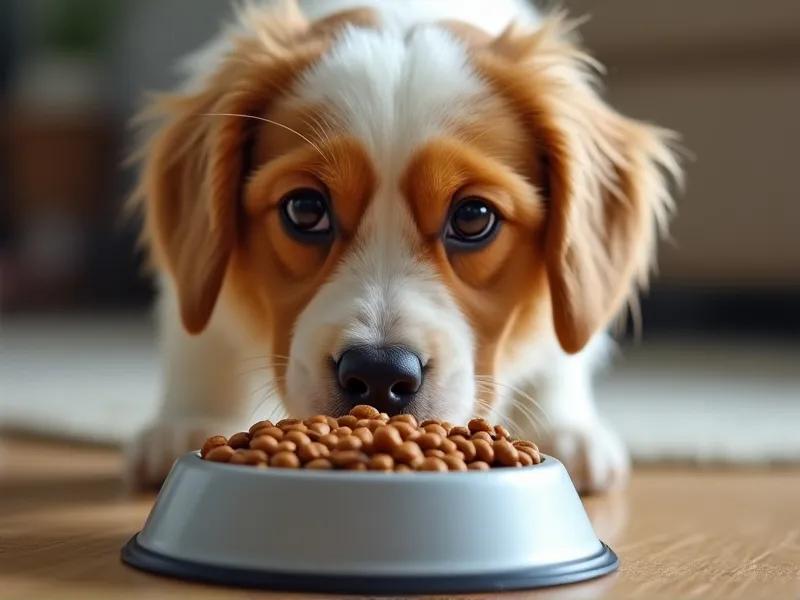
Table of Contents
- Can Dogs Eat Dry Cat Food? The Short Answer
- Potential “Benefits” of Dry Cat Food for Dogs (Spoiler: They’re Minimal)
- The Risks of Feeding Dry Cat Food to Dogs (Why It’s Not Worth It)
- How Much Dry Cat Food Is “Safe” for Dogs?
- Healthier Alternatives to Cat Food for Your Dog
- FAQ: What to Do If Your Dog Sneaks Cat Food
- Conclusion: Stick to Dog Food, but Cut Your Pup Some Slack
Can Dogs Eat Dry Cat Food? The Short Answer
Yes, but… Dogs can technically eat small amounts of dry cat food without immediate toxicity, but it’s not designed for their nutritional needs. Think of it like humans snacking on potato chips:偶尔可以,但长期吃对你不好。Cat food is formulated for cats—obligate carnivores with higher protein, fat, and nutrient requirements—while dogs are omnivores with different dietary needs.
In short: A stolen kibble or two won’t hurt, but making it a regular part of their diet? That’s a recipe for trouble.
Potential “Benefits” of Dry Cat Food for Dogs (Spoiler: They’re Minimal)
Before we panic about your dog’s midnight cat food heist, let’s acknowledge that dry cat food does contain some nutrients dogs need. But these “benefits” are tiny, and they come with big caveats. Here’s what you need to know:
1. Higher Protein Content (But Too Much of a Good Thing)
Cat food is packed with protein—often 30-40% compared to dog food’s 18-26% (depending on the formula). Protein is essential for dogs’ muscle health, energy, and coat. However, dogs don’t need as much protein as cats. Excess protein, especially in dogs with kidney issues, can strain their kidneys over time. For healthy dogs, occasional extra protein isn’t harmful, but daily doses? Not worth the risk.
2. Fiber for Digestion (But Not the Right Kind)
Some dry cat foods include fiber sources like rice, oats, or beet pulp to support feline digestion. Fiber can help dogs too, but dog food is formulated with fiber levels tailored to their gut. Cat food’s fiber content is hit-or-miss—too little, and it won’t help; too much, and it could lead to diarrhea or constipation.
3. Potassium and Minerals (Again, Not Balanced for Dogs)
Cat food often contains potassium, magnesium, and zinc—minerals dogs need for heart health, muscle function, and immune support. But here’s the catch: Dog food already has these minerals in the exact amounts dogs require. Cat food’s higher levels can throw off their balance, leading to issues like urinary tract problems or mineral toxicity over time.
The bottom line: Any “benefits” of cat food for dogs are negligible compared to the risks of unbalanced nutrition.
The Risks of Feeding Dry Cat Food to Dogs (Why It’s Not Worth It)
Now, let’s get real: The risks of letting your dog eat dry cat food regularly far outweigh the minor perks. Here’s what could happen if your pup becomes a cat food connoisseur:
1. Nutrient Imbalances: Cats and Dogs Have Different Needs
Cats are obligate carnivores, meaning they must eat meat to survive. Their bodies can’t make nutrients like taurine (critical for heart and eye health) or arachidonic acid (an omega-6 fatty acid), so cat food is fortified with these. Dogs, on the other hand, can produce taurine and arachidonic acid on their own. Excess taurine in dogs has been linked to heart issues in rare cases, while too much arachidonic acid can cause inflammation.
Cat food is also higher in fat (10-20% vs. dog food’s 8-15%). While fat is a great energy source for cats, dogs metabolize it differently. Over time, excess fat can lead to obesity, which raises the risk of diabetes, joint pain, and heart disease.
2. Digestive Upset: Stomach Aches, Diarrhea, and Vomiting
Dogs’ stomachs aren’t used to cat food’s high protein and fat. Even a single bowl can trigger digestive chaos:
- Diarrhea or soft stools: The sudden influx of fat and protein can irritate the gut lining.
- Vomiting: If your dog eats too much too fast, their stomach may reject the unfamiliar food.
- Bloating: High-fat foods can slow digestion, leading to gas and discomfort (though rare, severe bloating is a medical emergency).
3. Pancreatitis: A Serious, Painful Condition
Pancreatitis (inflammation of the pancreas) is one of the scariest risks. The pancreas produces enzymes to digest food; when it’s overworked by high-fat diets, those enzymes can attack the pancreas itself. Symptoms include severe abdominal pain, vomiting, lethargy, and loss of appetite. In severe cases, pancreatitis can be fatal.
Veterinarians often cite cat food as a potential trigger for pancreatitis in dogs, especially small breeds or those prone to the condition (like Miniature Schnauzers).
4. Choking Hazards (For Small Dogs)
Dry cat food kibbles are smaller than dog food kibbles to fit cats’ tiny mouths. For small dogs (think Chihuahuas, Yorkies), these tiny pieces can pose a choking risk, especially if they gobble them down too quickly.
5. Long-Term Health Issues
If your dog eats cat food daily for weeks or months, the nutrient imbalances can lead to chronic problems:
- Obesity: Extra calories from fat and protein add up fast.
- Kidney strain: Excess protein forces the kidneys to work harder to filter waste.
- Dental issues: While dry food is often marketed as “dental care,” cat food’s small size doesn’t scrub dogs’ teeth as effectively as larger dog kibble.
How Much Dry Cat Food Is “Safe” for Dogs?
The golden rule: Treat it like a rare snack, not a meal. Here’s a general guideline:
- Small dogs (under 20 lbs): 1-2 kibbles, once in a while (e.g., if they sneak a bite).
- Medium dogs (20-50 lbs): 3-4 kibbles, occasionally.
- Large dogs (50+ lbs): 5-6 kibbles, as a very occasional treat.
If your dog accidentally eats a full bowl (we’ve all been there), don’t panic—but monitor them closely for 24 hours. Watch for vomiting, diarrhea, lethargy, or loss of appetite. If any of these occur, call your vet immediately.
Healthier Alternatives to Cat Food for Your Dog
Instead of letting your dog steal cat food, offer these safe, dog-friendly treats that are actually good for them:
1. Dog-Specific Treats
Stick to high-quality dog treats made with real ingredients (look for options with no artificial flavors or preservatives). Brands like Zuke’s, Blue Buffalo, or Merrick offer low-calorie, nutrient-dense options.
2. Fresh Fruits and Veggies (Wash First!)
Many fruits and veggies are safe and healthy for dogs:
- Carrots: Crunchy, low-calorie, and great for teeth.
- Apples: Remove the core and seeds (they contain cyanide), then slice—rich in fiber and vitamin C.
- Blueberries: Packed with antioxidants.
- Green beans: Steamed or raw, a fiber-rich snack.
Avoid: Grapes, raisins, onions, garlic, and avocado (toxic to dogs).
3. Lean Proteins
Plain, cooked chicken, turkey, or beef (no seasoning!) is a great high-protein treat. Just keep portions small—about the size of a thumb for small dogs, a palm for large dogs.
4. Plain Yogurt or Cottage Cheese
Unsweetened, plain yogurt (with live cultures) or low-fat cottage cheese can soothe upset tummies and add calcium. Avoid varieties with xylitol (a sugar substitute toxic to dogs).
FAQ: What to Do If Your Dog Sneaks Cat Food
Q: My dog ate a whole bowl of dry cat food. Should I rush to the vet?
A: Not necessarily—monitor first. Most dogs will have mild stomach upset (diarrhea or vomiting) that resolves on its own. But if they show severe symptoms (bloating, persistent vomiting, lethargy, or pain), call your vet immediately.
Q: Is wet cat food worse for dogs than dry cat food?
A: Wet cat food is even higher in fat and protein than dry, so it poses a bigger risk for pancreatitis or digestive upset. It’s also messier for dogs to steal!
Q: Can puppies eat dry cat food?
A: Puppies have delicate digestive systems and specific nutritional needs (like extra calcium for growth). Cat food’s high protein and fat can disrupt their development, so it’s best to keep puppies far away from cat food.
Q: How do I stop my dog from stealing cat food?
A: Try these tricks:
- Feed your cat in a high place (like a counter or cat tree) that your dog can’t reach.
- Use a baby gate to block off the cat’s feeding area.
- Feed your dog and cat at the same time, so your dog is distracted with their own meal.
- Keep cat food stored in a sealed container, not left out all day.
Q: My dog has kidney disease—can they eat cat food?
A: No! Dogs with kidney issues need low-protein diets. Cat food’s high protein will strain their kidneys further. Consult your vet for a specialized kidney-friendly diet.
Conclusion: Stick to Dog Food, but Cut Your Pup Some Slack
At the end of the day, dry cat food isn’t toxic to dogs, but it’s far from ideal. Your pup’s best bet is a high-quality dog food formulated for their age, size, and health needs. That said, if they sneak a kibble or two? Don’t stress—we’ve all been there.
Just remember: When in doubt, consult your vet. They can help you choose the best diet for your dog and answer specific questions about their health. And if your dog’s cat food heists become a habit? A little training (and maybe a taller cat food bowl) will go a long way.
Your dog loves you, even if they love your cat’s food a little too much. Here’s to happy, healthy pups—and (mostly) cat food-free adventures!
References
- American Kennel Club (AKC). “Can Dogs Eat Cat Food?” akc.org
- American College of Veterinary Nutrition (ACVN). “Nutrition for Dogs and Cats: What’s the Difference?” acvn.org
- PetMD. “Pancreatitis in Dogs: Symptoms, Causes, and Treatment.” petmd.com
- VCA Hospitals. “Dietary Requirements for Dogs.” vcahospitals.com
- World Small Animal Veterinary Association (WSAVA). “Global Nutrition Guidelines.” wsava.org