· 9 min read
Can Dogs Eat Cashew Butter? A Pet Parent’s Guide to Benefits, Risks, and Safe Feeding
Picture this: You’re standing in the kitchen, spreading a thick, creamy layer of cashew butter on your morning toast. Beside you, your dog sits, tail thumping, eyes locked on your snack with that irresistible “please share” stare. We’ve all been there—wanting to treat our furry friends to a little something from our plate. But when it comes to cashew butter, is it a safe indulgence or a risky choice?
As pet parents, we know that not all human foods are dog-friendly. Chocolate, grapes, and onions are obvious no-nos, but what about cashew butter? Is this trendy, nutrient-packed spread a safe occasional treat, or should it stay off your dog’s menu?
In this guide, we’ll break down everything you need to know: whether dogs can eat cashew butter, its potential benefits, hidden risks, how much to feed (if any), and even healthier alternatives. Let’s dive in!
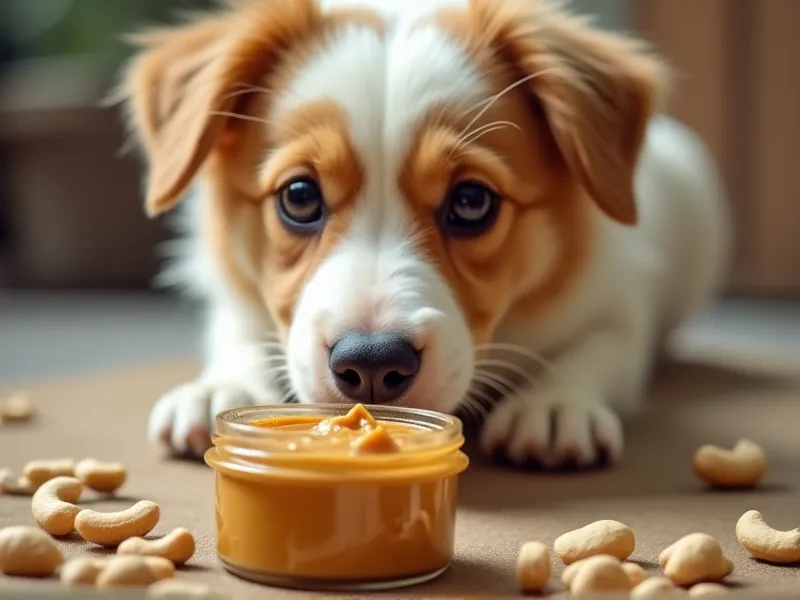
Table of Contents
- Can Dogs Eat Cashew Butter? The Short Answer
- The Potential Benefits of Cashew Butter for Dogs
- The Risks: Why Cashew Butter Isn’t Always Safe
- How Much Cashew Butter Can Dogs Eat? Guidelines by Size
- Healthier Alternatives to Cashew Butter
- FAQ: Your Cashew Butter Questions Answered
- Conclusion: Moderation is Key
Can Dogs Eat Cashew Butter? The Short Answer
Yes, dogs can eat cashew butter—but only in small, occasional amounts, and with strict conditions.
Cashew butter itself isn’t toxic to dogs. In fact, plain, unsalted cashew butter offers some nutritional benefits (more on that later). However, it’s high in fat and calories, and many store-bought versions contain added sugars, salt, or artificial sweeteners (like xylitol, which is extremely toxic to dogs).
The key here is quality and moderation. If you choose a plain, unsalted, sugar-free cashew butter and limit portions, it can be a tasty, occasional treat. But overdoing it or picking the wrong brand could lead to health issues. Let’s explore the details.
The Potential Benefits of Cashew Butter for Dogs
Cashews are nutrient-dense nuts, and when ground into butter, they retain many of their natural good-for-you (and good-for-dog) properties—when fed appropriately. Here’s what makes cashew butter a (sometimes) beneficial treat:
1. Nutrient Powerhouse
Cashew butter is rich in essential vitamins and minerals that support your dog’s overall health:
- Potassium: Critical for heart health, muscle function, and maintaining healthy blood pressure. A 1-ounce serving of cashews contains about 187mg of potassium—helpful for keeping your dog’s heart and muscles in top shape.
- Magnesium: Supports bone health, nerve function, and energy production. Dogs need magnesium to absorb calcium and regulate blood sugar.
- Zinc: Boosts immune function and aids in skin and coat health. A zinc deficiency can lead to dull fur or skin issues, so a little cashew butter can give your pup’s zinc levels a tiny boost.
- Healthy Fats: Cashews contain monounsaturated fats (the “good” fats), which support brain health and can help keep your dog’s coat shiny.
2. Fiber for Digestion
Cashew butter has a small amount of dietary fiber (about 0.9g per ounce of cashews), which can help regulate your dog’s digestion. Fiber adds bulk to stool and supports a healthy gut microbiome—great for dogs with occasional constipation (though it’s not a substitute for a balanced diet!).
3. A Tasty Training Tool
Let’s be real: Dogs love creamy, nutty flavors. Cashew butter’s rich texture makes it perfect for stuffing into a Kong toy, smearing on a puzzle feeder, or using as a low-effort training reward. It’s a fun way to keep your dog mentally stimulated—just remember, treats (even healthy ones) should make up no more than 10% of their daily calories.
The Risks: Why Cashew Butter Isn’t Always Safe
While cashew butter has perks, it’s not without risks—especially if you choose the wrong brand or overfeed. Here’s what to watch out for:
1. High Fat and Calories: A Recipe for Pancreatitis
Cashew butter is high in fat (about 14g of fat per 2 tablespoons). While small amounts of healthy fats are good, too much can overwhelm your dog’s digestive system, leading to:
- Stomach upset: Diarrhea, vomiting, or gas, especially in dogs with sensitive stomachs.
- Pancreatitis: This painful inflammation of the pancreas is often triggered by high-fat foods. Symptoms include lethargy, loss of appetite, and severe abdominal pain. For dogs with a history of pancreatitis, cashew butter is a strict no-no.
- Weight gain: Excess calories from fat can lead to obesity, which increases the risk of diabetes, joint pain, and heart disease.
2. Added Sugars and Salt
Most store-bought cashew butters aren’t “plain.” Many brands add sugar, honey, or syrups to enhance flavor—and sugar is just as bad for dogs as it is for humans. Too much sugar can lead to obesity, dental issues, or even diabetes.
Salt is another red flag. Some cashew butters have added salt for taste, but dogs need very little sodium (excess salt can cause dehydration, kidney problems, or sodium ion poisoning). Always check the label for “no added salt” or “unsalted.”
3. Toxic Additives: Xylitol is a Hidden Danger
Xylitol, a sugar substitute found in some “sugar-free” or “low-sugar” products, is deadly to dogs—even in small amounts. It causes a rapid release of insulin, leading to life-threatening hypoglycemia (low blood sugar), seizures, or liver failure.
While xylitol is more common in peanut butter (some brands use it as a sweetener), it’s still possible in cashew butter. Never buy cashew butter with xylitol—check the ingredient list carefully!
4. Choking Hazard (Rare, but Possible)
Cashew butter is creamy, so choking is less likely than with whole nuts. However, if you give your dog a thick glob or they eat it too quickly, it could stick in their throat. Always offer it in small, spreadable amounts (e.g., on a toy or mixed into food) to avoid this risk.
5. Allergies (Though Rare)
Food allergies in dogs are uncommon, but they can happen. Cashews are tree nuts, and some dogs may react to proteins in nuts, leading to itching, hives, or digestive upset. If your dog has never had nuts before, start with a tiny amount and monitor for 24 hours.
How Much Cashew Butter Can Dogs Eat? Guidelines by Size
If you’ve decided to share cashew butter with your dog, portion control is non-negotiable. Here’s a general guide based on your dog’s size (remember: this is for occasional treats, not daily feeding!):
| Dog Size | Recommended Portion (Plain, Unsalted Cashew Butter) | Frequency |
|---|---|---|
| Small (under 20 lbs) | ½–1 teaspoon | Once weekly |
| Medium (20–50 lbs) | 1–2 teaspoons | Once weekly |
| Large (50–100 lbs) | 2–3 teaspoons | Once weekly |
| Giant (over 100 lbs) | 3–4 teaspoons | Once weekly |
Key Tips for Safe Feeding:
- Choose plain, unsalted, sugar-free cashew butter with no added ingredients (read the label! Ingredients should list only “cashews”).
- Avoid feeding on an empty stomach (mix it into their regular food to prevent stomach upset).
- Never substitute cashew butter for a meal—it’s a treat, not a nutrient replacement.
- If your dog has health issues (diabetes, pancreatitis, obesity), skip it entirely and ask your vet for safer treat options.
Healthier Alternatives to Cashew Butter
If cashew butter seems too high-risk (or too pricey!), there are plenty of dog-friendly alternatives that are lower in fat, cheaper, or more nutrient-dense. Here are our top picks:
1. Unsalted Peanut Butter (No Xylitol!)
Peanut butter is a classic dog favorite—and for good reason. It’s affordable, high in protein, and most dogs go crazy for it. Opt for unsalted, unsweetened peanut butter with no xylitol (check the label!). It’s slightly higher in fat than cashew butter (16g per 2 tbsp vs. 14g), but in small amounts, it’s safe for most dogs.
2. Pumpkin Puree (Unsweetened)
Canned pumpkin (not pie filling!) is low in calories, high in fiber, and packed with vitamins A and C. It’s great for digestion (helps with both diarrhea and constipation) and makes a tasty, low-fat treat. Serve 1–2 tablespoons (depending on size) mixed into food or frozen in a Kong.
3. Plain Greek Yogurt
Greek yogurt is rich in protein and probiotics, which support gut health. Choose plain, unsweetened yogurt (no added sugar or artificial flavors). Avoid brands with xylitol, and skip it if your dog is lactose intolerant (some dogs digest yogurt better than milk).
4. Mashed Banana
Bananas are naturally sweet, high in potassium, and low in fat. Mash a small slice (1–2 inches for small dogs, ½ banana for large dogs) and mix into food or freeze for a cool treat. Just watch portions—bananas have natural sugars, so limit to once or twice a week.
5. Almond Butter (Unsalted, No Additives)
Almond butter is another nut butter option, but it’s higher in fat than cashew butter (about 14g per 2 tbsp, similar to cashew) and lower in protein. It’s safe in small amounts, but like cashew butter, stick to plain, unsalted varieties.
FAQ: Your Cashew Butter Questions Answered
Q: Can puppies eat cashew butter?
A: Yes, but in very small portions. Puppies have sensitive digestive systems, so start with ¼–½ teaspoon (depending on breed size) and monitor for stomach upset. Avoid overfeeding, as their tummies can’t handle high-fat foods well.
Q: Is cashew butter better than peanut butter for dogs?
A: It depends on your dog’s needs. Cashew butter is slightly lower in fat and has a creamier texture, which some dogs prefer. Peanut butter is more affordable and higher in protein. Both are safe in small amounts, but always choose unsalted, unsweetened versions with no additives.
Q: What if my dog ate too much cashew butter?
A: Watch for symptoms like vomiting, diarrhea, lethargy, or loss of appetite—signs of pancreatitis or stomach upset. If your dog ate a large amount (e.g., a whole jar) or shows these symptoms, contact your vet immediately.
Q: Can dogs with diabetes eat cashew butter?
A: It’s best to avoid it. Cashew butter is high in fat and calories, which can spike blood sugar levels. If your dog has diabetes, ask your vet for low-sugar, low-fat treat options (like pumpkin or green beans).
Q: Are there any dogs who should never eat cashew butter?
A: Yes. Dogs with pancreatitis, diabetes, obesity, or sensitive stomachs should skip cashew butter. Also, avoid it if your dog has a history of food allergies or has reacted to nuts in the past.
Conclusion: Moderation is Key
So, can dogs eat cashew butter? Yes, but with caution. When chosen carefully (plain, unsalted, no added sugars or xylitol) and fed in tiny, occasional portions, cashew butter can be a tasty treat for your dog. However, it’s not a daily staple—high fat content and potential additives make it a “sometimes” snack at best.
As always, every dog is different. If your dog has health issues, is on a special diet, or you’re unsure whether cashew butter is safe, consult your vet first. They can help you decide based on your dog’s age, size, and medical history.
At the end of the day, the best treats are ones that keep your dog happy, healthy, and tail-wagging. Whether it’s cashew butter, pumpkin, or a simple belly rub, the love you share is what matters most.
Happy snacking (responsibly!), pet parents!
References
- American Kennel Club (AKC). “Can Dogs Eat Cashews?” AKC.org.
- American Society for the Prevention of Cruelty to Animals (ASPCA). “People Foods to Avoid Feeding Your Pets.” ASPCA.org.
- PetMD. “Safe Human Foods for Dogs.” PetMD.com.
- VCA Animal Hospitals. “Pancreatitis in Dogs.” VCAHospitals.com.