· 8 min read
Can Dogs Eat Cartilage? A Pet Parent’s Guide to Benefits, Risks, and Safe Feeding
Picture this: You’re cleaning up after dinner, and your dog—tail wagging, eyes glued to your hands—spots a leftover chicken bone or a scrap of beef rib. Specifically, that rubbery, white stuff on the end: cartilage. You pause. Is this safe? You want to spoil them, but you also don’t want to risk their health. If you’ve ever wondered, “Can dogs eat cartilage?” you’re not alone.
Cartilage is a common byproduct of meat, and it’s even sold as a “natural” dog treat in pet stores. But is it really a healthy choice? Let’s dive into the science, benefits, risks, and best practices to help you decide.
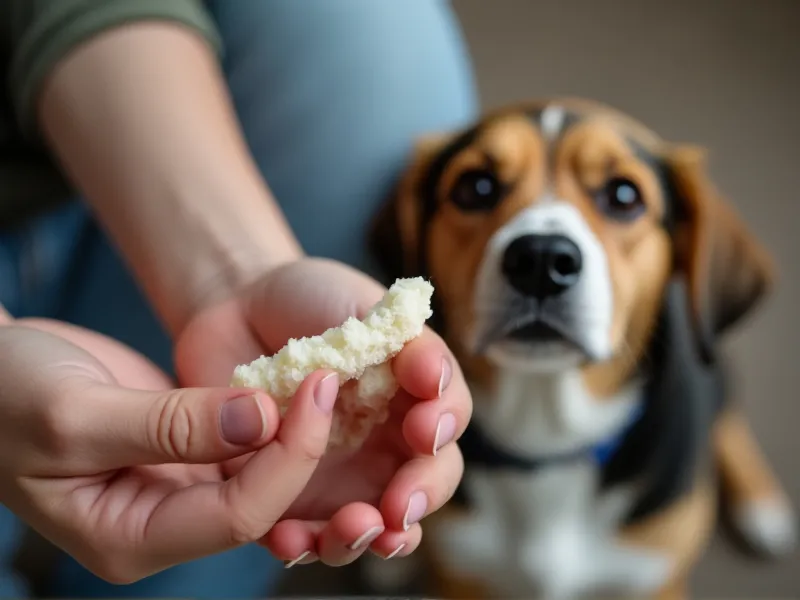
Table of Contents
- Quick Answer: Can Dogs Eat Cartilage?
- What Is Cartilage, Anyway?
- The Benefits of Cartilage for Dogs
- Joint Health: Glucosamine & Chondroitin
- Digestive Support: Fiber
- Electrolyte Balance: Potassium
- Dental Health: Chewing Action
- The Risks of Feeding Cartilage to Dogs
- Choking Hazard
- Stomach Upset or Blockages
- Cooked vs. Raw: Which Is Safer?
- Additives & Hidden Dangers
- How Much Cartilage Can Dogs Eat? Guidelines for Safe Feeding
- Healthier Alternatives to Cartilage
- FAQ: Your Cartilage Questions Answered
- Conclusion: Moderation & Common Sense
Quick Answer: Can Dogs Eat Cartilage?
Yes, dogs can eat cartilage—in moderation, and with precautions. Cartilage is non-toxic and can offer nutrients like glucosamine and fiber. However, it poses choking and blockage risks, especially if fed in large chunks or cooked (which can become brittle). Always supervise your dog, limit portions, and avoid seasoned or processed cartilage.
What Is Cartilage, Anyway?
Cartilage is a tough, flexible connective tissue found in animals (and humans!)—think the “gristle” on bones, the tip of a chicken wing, or the rings in a cow’s trachea. It’s made of collagen, proteoglycans (like glucosamine), and water, giving it a rubbery texture when raw and a more brittle consistency when cooked.
In pet products, you’ll often see “cartilage treats” made from beef trachea, chicken feet, or pig ears—all rich in this tissue. But just because it’s marketed as “natural” doesn’t mean it’s risk-free.
The Benefits of Cartilage for Dogs
When fed safely, cartilage can offer some surprising perks for your pup. Here’s what makes it a popular choice among pet parents:
1. Joint Health: Glucosamine & Chondroitin
Cartilage is packed with glucosamine and chondroitin—two compounds that support joint health. Glucosamine helps build and repair cartilage in joints, while chondroitin reduces inflammation and keeps joints lubricated.
Vets often recommend these supplements for dogs with arthritis or joint stiffness, especially senior pups. Feeding small amounts of cartilage can be a natural way to boost their intake. A 2018 study in the Journal of the American Veterinary Medical Association found that glucosamine supplementation improved mobility in dogs with osteoarthritis, though results vary by individual.
2. Digestive Support: Fiber
Cartilage is a good source of insoluble fiber, which helps move food through your dog’s digestive tract. Fiber can缓解便秘 (relieve constipation) and support a healthy gut microbiome. Just be cautious: Too much fiber too fast can cause gas or diarrhea, so start small!
3. Electrolyte Balance: Potassium
Cartilage contains small amounts of potassium, an essential electrolyte that helps regulate your dog’s heart rate, muscle function, and fluid balance. While your dog gets most of their potassium from their regular diet (e.g., meat, sweet potatoes), cartilage can add a tiny boost.
4. Dental Health: Chewing Action
Chewing on cartilage (especially raw, softer pieces) can help scrape plaque off your dog’s teeth and massage their gums. This “mechanical cleaning” can reduce bad breath and lower the risk of dental disease—though it’s no substitute for regular brushing!
The Risks of Feeding Cartilage to Dogs
While cartilage has benefits, it’s not without risks. Here’s what to watch out for:
1. Choking Hazard
This is the biggest concern. Cartilage is rubbery when raw, but it can still get stuck in your dog’s throat—especially if they gulp it down without chewing. Cooked cartilage is even riskier: Heat makes it dry and brittle, so it can splinter into sharp pieces that lodge in the throat or puncture the digestive tract.
Small dogs and flat-faced breeds (like pugs or bulldogs) are at higher risk, as their airways are narrower. Always supervise your dog while they chew and avoid giving large chunks.
2. Stomach Upset or Blockages
Eating too much cartilage can cause digestive upset, including vomiting, diarrhea, or bloating. In rare cases, large or tough pieces can form a blockage in the intestines, which is a medical emergency. Symptoms of a blockage include lethargy, loss of appetite, and abdominal pain—contact your vet immediately if you notice these.
3. Cooked vs. Raw: Which Is Safer?
Raw cartilage is softer and less likely to splinter, but it carries a small risk of bacterial contamination (e.g., Salmonella or E. coli). Cooking kills bacteria but makes cartilage harder and more brittle.
The middle ground: If you choose to feed cartilage, opt for fresh, raw, and unseasoned pieces (from a trusted source) and freeze them first to kill surface bacteria. Avoid cooked cartilage unless it’s very soft (e.g., slow-cooked in a stew, where it’s fallen off the bone).
4. Additives & Hidden Dangers
Many commercial cartilage treats (e.g., pig ears, trachea chews) are processed with salt, preservatives, or artificial flavors. Too much salt can cause sodium ion poisoning in dogs, leading to vomiting, seizures, or even death. Always check the ingredient list: The only ingredient should be cartilage (e.g., “100% beef trachea”).
How Much Cartilage Can Dogs Eat? Guidelines for Safe Feeding
Cartilage should be a treat, not a meal. Follow these rules to keep your pup safe:
- Limit to 10% of daily calories: Treats (including cartilage) should make up no more than 10% of your dog’s daily food intake. For example, a 50lb dog eating 1,000 calories/day can have ~100 calories from cartilage (about 1-2 inches of beef trachea).
- Size matters: Give pieces smaller than your dog’s mouth to prevent choking. A Chihuahua might get a pea-sized chunk of chicken cartilage; a Great Dane could handle a 2-inch piece of beef trachea.
- Supervise always: Never leave your dog unattended with cartilage. If they start choking, use the Heimlich maneuver for dogs (consult your vet to learn how).
- Avoid if… Your dog has a history of pancreatitis, digestive issues, or dental problems. Cartilage is high in fat (in some cases) and can be hard to digest.
Healthier Alternatives to Cartilage
If you’re worried about the risks, there are safer ways to get the benefits of cartilage without the hazards. Try these alternatives:
For Joint Health: Green-Lipped Mussels
Green-lipped mussels are a natural source of glucosamine, chondroitin, and omega-3s—even more concentrated than cartilage! Look for freeze-dried or powdered mussels (no additives) and mix them into your dog’s food.
For Fiber: Pumpkin
Canned pumpkin (unsweetened!) is rich in fiber and easy to digest. It’s great for constipation or diarrhea and has no choking risk. Start with 1-2 tbsp per day for small dogs, ¼ cup for large dogs.
For Potassium: Bananas
Bananas are a low-calorie, potassium-rich snack. They’re soft, easy to chew, and most dogs love them. Just limit to 1-2 slices per day (too much sugar can cause weight gain).
For Dental Health: Rubber Chew Toys
Instead of cartilage, use rubber chew toys (like Kongs) to clean teeth. They’re designed to be safe and durable, and you can stuff them with peanut butter for extra fun!
FAQ: Your Cartilage Questions Answered
Q: Can puppies eat cartilage?
A: Puppies have smaller throats and immature digestive systems, so cartilage is riskier. Wait until they’re at least 6 months old (when adult teeth come in) and start with tiny, soft pieces (e.g., a scrap from a chicken wing).
Q: Is chicken cartilage safe for dogs?
A: Yes, chicken cartilage (from wings, legs, or breasts) is safe in small amounts. Avoid the bones, though—chicken bones splinter easily!
Q: My dog swallowed a piece of cartilage whole. What should I do?
A: If it’s small (smaller than a dime), monitor for 24-48 hours. Watch for vomiting, diarrhea, or lethargy—signs of blockage. If it’s large or your dog is choking, call your vet immediately.
Q: Are pig ears or beef trachea safe?
A: These are popular cartilage treats, but they’re often high in salt or preservatives. Choose “100% natural” options, avoid smoked/flavored varieties, and supervise closely—they can still cause choking.
Conclusion: Moderation & Common Sense
So, can dogs eat cartilage? Yes—but it’s all about balance. A tiny piece of raw, unseasoned cartilage can be a healthy, tasty treat for most dogs, offering joint support and fiber. But risks like choking or blockages mean it’s not a “free pass” snack.
When in doubt, consult your vet. They can help you decide if cartilage is right for your dog, especially if they have health issues. And remember: The best treats are ones that keep your pup happy and safe.
Here’s to many tail wags (and safe snacking!)—your dog will thank you.
References
- American Kennel Club (AKC). “Can Dogs Eat Chicken Bones?” akc.org
- PetMD. “Glucosamine for Dogs: Benefits, Dosage, and Side Effects.” petmd.com
- Veterinary Centers of America (VCA). “Dietary Fiber for Dogs.” vca.com
- Journal of the American Veterinary Medical Association. “Efficacy of Glucosamine Chondroitin Supplements in the Management of Osteoarthritis in Dogs.” 2018.