· 8 min read
Can Dogs Eat Cooked Carrots? A Pet Parent’s Guide to Safe, Nutritious Treats
Picture this: You’re standing at the stove, tossing a batch of roasted carrots with a little olive oil (for you) when your dog trots over, tail wagging, nose twitching. Those big, hopeful eyes seem to say, “Share the veggies?” It’s a common scenario—we want our pups to enjoy the same healthy foods we do, but safety always comes first. So, can dogs eat cooked carrots? And if so, are they actually good for them?
If you’ve ever wondered whether to toss your dog a cooked carrot slice or hold back, you’re in the right place. In this guide, we’ll break down everything you need to know: the benefits of cooked carrots for dogs, potential risks to watch for, how much to feed, and even healthier alternatives. Let’s dig in!
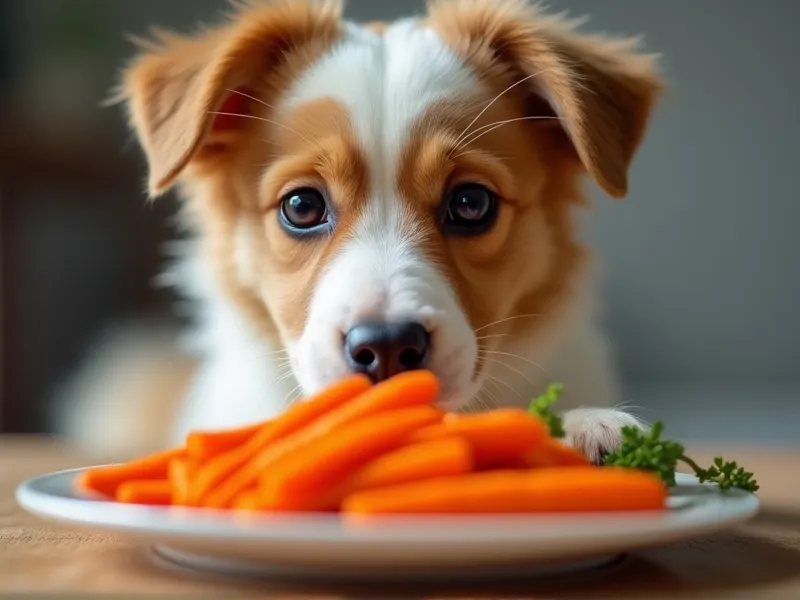
Table of Contents
- Can Dogs Eat Cooked Carrots? The Short Answer
- The Benefits of Cooked Carrots for Dogs: Why They’re a Great Treat
- Potential Risks: What to Watch Out For
- How Much Cooked Carrot Can Dogs Eat? Guidelines for Safe Feeding
- Healthier Alternatives to Cooked Carrots (If Your Dog Isn’t a Fan)
- FAQ: Your Top Carrot Questions, Answered
- Conclusion: Cooked Carrots as a Healthy, Moderate Treat
- References
Can Dogs Eat Cooked Carrots? The Short Answer
Yes, dogs can safely eat cooked carrots—and in most cases, they’re a fantastic addition to your pup’s treat rotation. Cooked carrots are low in calories, packed with nutrients, and easy to digest, making them a great choice for dogs of all sizes and ages (with a few caveats, which we’ll cover later).
But not all cooked carrots are created equal. Avoid adding salt, butter, garlic, or spices—these can upset your dog’s stomach or even be toxic. Stick to plain, unseasoned, properly cooked carrots, and your dog will thank you.
The Benefits of Cooked Carrots for Dogs: Why They’re a Great Treat
Cooked carrots aren’t just a tasty snack—they’re a nutritional powerhouse for your pup. Let’s break down their key benefits:
1. Rich in Essential Nutrients
Cooked carrots are loaded with vitamins and minerals that support your dog’s overall health:
- Vitamin A: Carrots are famous for their vitamin A content, which is critical for your dog’s vision (hello, night vision and eye health!), immune system, and skin/coat health. A deficiency in vitamin A can lead to issues like dry eyes, a dull coat, or a weakened immune response, so this nutrient is a must.
- Potassium: This mineral helps regulate your dog’s heart rate, blood pressure, and muscle function. It’s especially important for active dogs or seniors, as it supports cardiovascular health.
- Fiber: Cooked carrots are a good source of dietary fiber, which aids digestion by promoting regular bowel movements and preventing constipation. Fiber also helps your dog feel full, which can be helpful for weight management (more on that later!).
- Antioxidants: Carrots contain antioxidants like beta-carotene (which converts to vitamin A in the body) and lutein, which fight free radicals and reduce inflammation. This can lower the risk of chronic diseases and support long-term health.
2. Low in Calories, High in Satisfaction
If you’re trying to keep your dog at a healthy weight, cooked carrots are a dream treat. They’re low in calories (about 25 calories per medium carrot) and high in volume, so your dog gets a satisfying crunch without packing on the pounds. Unlike high-calorie treats (looking at you, store-bought biscuits), carrots let you reward your pup without guilt.
3. Gentle on Sensitive Stomachs
Cooked carrots are soft and easy to digest, making them a great option for dogs with sensitive stomachs, dental issues, or those recovering from illness. They’re also a safer choice than raw carrots for puppies or senior dogs, as raw carrots can be tough to chew and digest.
4. Versatile and Easy to Prepare
Cooked carrots are a cinch to make! Steam, boil, or roast them (without added fats or seasonings), then chop into bite-sized pieces. They’re portable, mess-free, and perfect for training sessions, post-walk snacks, or just a little “I love you” treat.
Potential Risks: What to Watch Out For
While cooked carrots are generally safe, they’re not without risks—especially if fed incorrectly. Here’s what to keep in mind:
1. Natural Sugars: Too Much of a Good Thing
Carrots contain natural sugars (about 4 grams per medium carrot), which are fine in moderation but can cause issues if overfed. Excess sugar can lead to:
- Weight gain or obesity (even “healthy” calories add up!).
- Blood sugar spikes, which may be problematic for dogs with diabetes or insulin resistance.
- Diarrhea or stomach upset (sugar draws water into the intestines, leading to loose stools).
2. Choking Hazard (If Not Chopped Properly)
Carrots—even cooked ones—can pose a choking risk if not cut into small, manageable pieces. This is especially true for small dogs, puppies, or dogs who gulp their food. Always chop cooked carrots into bite-sized chunks (think: pea-sized for tiny breeds, dime-sized for medium dogs) to prevent choking. For extra safety, mash them for dogs with dental issues or seniors.
3. Unsafe Cooking Methods
How you cook carrots matters! Avoid:
- Added ingredients: Salt, butter, garlic, onions, or spices like nutmeg are toxic to dogs. Even a small amount of garlic can damage red blood cells, leading to anemia.
- Overcooking: Carrots that are too mushy can stick in your dog’s throat, while undercooked carrots may be tough to chew. Aim for soft but still slightly firm.
4. Allergies (Rare, But Possible)
While carrot allergies in dogs are extremely rare, they can happen. Signs of an allergic reaction include itching, swelling, hives, or vomiting. If your dog shows these symptoms after eating carrots, stop feeding them and consult your vet.
How Much Cooked Carrot Can Dogs Eat? Guidelines for Safe Feeding
The golden rule? Treats—including carrots—should make up no more than 10% of your dog’s daily calories. The rest should come from a balanced, commercial dog food (unless your vet recommends a homemade diet).
Here’s a rough guide based on your dog’s size:
- Small dogs (under 20 lbs): 1–2 baby carrots (or 2–3 thin slices of a medium carrot) per day.
- Medium dogs (20–50 lbs): 3–4 baby carrots (or ½ a medium carrot, sliced) per day.
- Large dogs (50+ lbs): ½–1 medium carrot (sliced or chopped) per day.
Pro tip: Adjust portions based on your dog’s activity level, age, and health. For example, a highly active border collie may handle more carrots than a senior pug with arthritis. Always check with your vet if your dog has a condition like diabetes, obesity, or kidney disease, as they may need stricter limits.
Healthier Alternatives to Cooked Carrots (If Your Dog Isn’t a Fan)
Not all dogs love carrots—and that’s okay! Here are some other healthy, dog-safe veggies to try:
- Steamed broccoli: Low in calories, high in fiber and vitamin C (supports immune health). Note: Feed in moderation—too much can cause gas!
- Green beans: Crunchy, low-calorie, and packed with fiber. Great for weight management.
- Sweet potatoes: Cooked (no added sugar!), sweet potatoes are rich in fiber, vitamin A, and potassium. They’re a bit higher in calories than carrots, so stick to small portions.
- Apples: Remove the seeds (they contain cyanide!) and core, then slice. Apples are high in fiber and vitamin C, and many dogs love the sweetness.
Remember: Variety is key! Rotate treats to ensure your dog gets a range of nutrients.
FAQ: Your Top Carrot Questions, Answered
Q: Are raw carrots or cooked carrots better for dogs?
A: It depends on your dog! Raw carrots are crunchier (great for dental health—they “scrub” teeth) but harder to digest. Cooked carrots are softer, easier on the stomach, and better for puppies, seniors, or dogs with dental issues. For most dogs, a mix is fine—just chop raw carrots into small pieces to avoid choking.
Q: Can puppies eat cooked carrots?
A: Yes! Puppies can safely eat cooked carrots once they’re weaned (around 6–8 weeks). Start with tiny pieces (mashed or finely chopped) to avoid choking, and introduce slowly to watch for stomach upset.
Q: Do carrots help with bad dog breath?
A: Maybe! The crunch of raw carrots can help scrape plaque off teeth, which may reduce bad breath. For cooked carrots, the fiber can also support digestive health, which is linked to fresher breath (gut health = mouth health!).
Q: What if my dog ate too many cooked carrots?
A: If your dog gobbled a whole bag of cooked carrots, they may experience diarrhea, gas, or stomach discomfort (thanks to the fiber and sugar). Offer plenty of water and monitor them. If symptoms last more than 24 hours, or if your dog is lethargic, contact your vet.
Q: Are carrot tops safe for dogs?
A: No—carrot greens (the leafy tops) are not toxic, but they’re tough to digest and can cause stomach upset. Stick to the root!
Conclusion: Cooked Carrots as a Healthy, Moderate Treat
So, can dogs eat cooked carrots? Absolutely! When prepared plain, chopped into small pieces, and fed in moderation, cooked carrots are a nutrient-dense, low-calorie treat that most dogs adore. They support digestion, vision, and heart health—what’s not to love?
Just remember: treats should never replace a balanced diet. Always prioritize your dog’s regular food, and use carrots (and other veggies) as a fun, healthy bonus. And if you’re unsure about portions or have concerns about your dog’s health, don’t hesitate to check with your vet.
Your pup deserves the best—and with a little carrot (or two), you’re well on your way to keeping them happy, healthy, and tail-waggingly satisfied.
References
- American Kennel Club (AKC). “Can Dogs Eat Carrots?” akc.org
- ASPCA. “People Foods to Avoid Feeding Your Pets.” aspca.org
- PetMD. “Carrots for Dogs: Are They Safe?” petmd.com
- Veterinary Centers of America (VCA). “Vitamin A Deficiency in Dogs.” vcahospitals.com
- Cummings School of Veterinary Medicine at Tufts University. “Nutrition for Dogs.” tuftscvm.org