· 8 min read
Can Dogs Eat Carrot Cake? The Sweet Truth Every Pet Parent Needs to Know
It’s a sunny Saturday afternoon, and you’ve just pulled a golden, frosted carrot cake out of the oven. The sweet aroma fills the kitchen, and before you can even grab a fork, your dog—let’s call her Luna—trots over, nose twitching, tail thumping a rapid beat against the cabinets. Her big, soulful eyes lock onto the cake, and you can almost hear her thinking, “Is that… carrot? I love carrots!”
You pause. Carrots are a classic dog-friendly snack, right? You’ve even given her raw carrot sticks as treats before. So, what’s the harm in sharing a tiny piece of carrot cake?
If you’ve ever found yourself in this situation, you’re not alone. Pet parents often wonder if human foods with “healthy” ingredients (like carrots) are safe for their pups. Today, we’re diving into the question: Can dogs eat carrot cake? We’ll break down the benefits, the risks, and what you need to know to keep your furry friend happy and healthy.
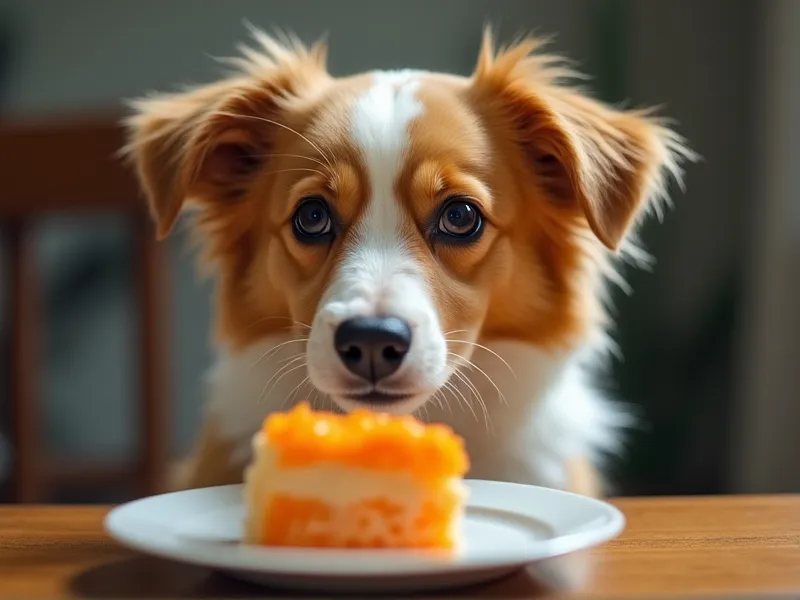
Table of Contents
- Can Dogs Eat Carrot Cake? The Short Answer
- The Benefits of Carrots for Dogs (Why Carrots Are a Superfood)
- The Risks of Carrot Cake for Dogs (It’s Not Just About the Carrots)
- How Much Carrot Cake Is Safe for Dogs? (If Any)
- Healthier Alternatives to Carrot Cake
- FAQ: Your Carrot Cake Questions Answered
- Conclusion: Carrots Are Great—Cake, Not So Much
Can Dogs Eat Carrot Cake? The Short Answer
Yes, but… with a huge asterisk.
Carrots themselves are excellent for dogs. They’re low in calories, packed with nutrients, and most dogs love their crunchy texture. However, carrot cake is not just carrots. It’s a mix of sugar, flour, butter, eggs, and often add-ons like raisins, nuts, or frosting—all of which can be harmful to dogs.
In short: A tiny, occasional nibble of plain carrot cake (without toxic ingredients) is unlikely to hurt your dog, but it’s far from a healthy choice. The risks almost always outweigh the benefits. Let’s break it down.
The Benefits of Carrots for Dogs (Why Carrots Are a Superfood)
Before we get into the “cake” part, let’s celebrate carrots! They’re one of the best human foods you can share with your dog (in moderation, of course). Here’s why:
1. Rich in Vitamin A (For Eye Health)
Carrots are loaded with beta-carotene, which the body converts into vitamin A. Vitamin A is crucial for dogs’ vision (especially night vision), immune function, and healthy skin and coat. According to the American Kennel Club (AKC), vitamin A deficiency in dogs can lead to eye problems and a weakened immune system.
2. High in Fiber (Good for Digestion)
Fiber helps keep your dog’s digestive system running smoothly. Carrots have both soluble and insoluble fiber: Soluble fiber feeds beneficial gut bacteria, while insoluble fiber adds bulk to stool, preventing constipation.
3. Potassium (Supports Heart and Muscles)
Potassium is an electrolyte that helps regulate your dog’s heart rate, muscle function, and blood pressure. Carrots are a natural source of this essential mineral, supporting overall cardiovascular health.
4. Low-Calorie and Crunchy (Great for Dental Health)
At just 25 calories per medium carrot, they’re a guilt-free treat for dogs watching their weight. Plus, the crunchiness helps scrape plaque off teeth, promoting better dental health (think of them as nature’s toothbrush!).
The Risks of Carrot Cake for Dogs (It’s Not Just About the Carrots)
Now, let’s talk about the “cake” in carrot cake. Most carrot cake recipes include ingredients that are problematic for dogs—some even dangerous. Here’s what to watch out for:
1. Sugar: A Recipe for Obesity and Diabetes
Carrot cake is sweet. A typical slice can have 20–30 grams of sugar (or more!). Dogs’ bodies aren’t designed to process large amounts of sugar. Over time, excess sugar can lead to:
- Obesity: Extra calories from sugar quickly add up, increasing the risk of joint pain, heart disease, and diabetes.
- Dental issues: Sugar feeds harmful bacteria in the mouth, leading to cavities and gum disease.
- Pancreatitis: High-sugar (and high-fat) foods can trigger pancreatitis, a painful inflammation of the pancreas. Symptoms include vomiting, diarrhea, and lethargy—this is a medical emergency.
2. Toxic Add-Ins: Raisins, Nuts, and Xylitol
Many carrot cake recipes include extras that are toxic to dogs:
- Raisins/grapes: Even a small amount can cause kidney failure in dogs. The ASPCA lists grapes and raisins as toxic, with no known safe dose.
- Macadamia nuts: These nuts can cause weakness, vomiting, hyperthermia, and tremors in dogs.
- Xylitol: A sugar substitute often found in “sugar-free” cakes or frosting. Xylitol triggers a dangerous insulin surge in dogs, leading to hypoglycemia (low blood sugar), seizures, or even liver failure. It’s extremely toxic—even a tiny amount is risky.
Always check the ingredients! If the cake has raisins, nuts, or xylitol, it’s never safe for dogs.
3. Stomach Upset (From Fat and陌生 Ingredients)
Butter, oil, and eggs in cake can upset your dog’s stomach, especially if they’re not used to rich foods. Symptoms like vomiting, diarrhea, or gas are common after a dog eats human cake.
4. Choking Hazard (Dry or Chunky Cake)
Dry, crumbly cake or large chunks can pose a choking risk, especially for small dogs. Always break treats into tiny pieces and supervise your dog while they eat.
How Much Carrot Cake Is Safe for Dogs? (If Any)
If you’re set on sharing a bite (we get it—those puppy eyes are hard to resist!), follow these strict guidelines:
1. Check the Ingredients First
- Avoid at all costs if the cake contains raisins, grapes, macadamia nuts, or xylitol.
- Skip cakes with frosting, as it’s high in sugar, fat, and often xylitol.
2. Keep Portions Tiny
- Small dogs (under 20 lbs): A piece no bigger than your thumbnail (about 1–2 teaspoons).
- Medium dogs (20–50 lbs): A piece the size of a dime (about 1 tablespoon).
- Large dogs (50+ lbs): A piece the size of a quarter (about 2 tablespoons).
Even this is a stretch—think of it as a “once a year” treat, not a regular snack.
3. Monitor for Reactions
After your dog eats cake, watch for signs of trouble: vomiting, diarrhea, lethargy, or increased thirst/urination. If you notice any of these, contact your vet.
Healthier Alternatives to Carrot Cake
Instead of sharing your carrot cake, give your dog these dog-safe, carrot-based treats. They’ll love them and you’ll avoid the sugar and risks:
1. Raw Carrot Sticks
The simplest option! Wash a carrot, slice into bite-sized sticks, and serve. Crunchy, fresh, and full of nutrients. Freeze them for a cool summer treat.
2. Homemade Carrot Dog Treats
Whip up a batch of these easy, healthy treats. They’re made with dog-safe ingredients and no added sugar:
- Ingredients: 1 cup grated carrots, 1 cup whole wheat flour, ½ cup oats, 1 egg, 2–3 tablespoons water (to bind).
- Instructions: Mix all ingredients, roll into dough, cut into shapes, and bake at 350°F for 20–25 minutes. Let cool, then store in an airtight container.
3. Carrot and Pumpkin Puree
Mix cooked, mashed carrots with a spoonful of plain pumpkin (not pie filling!) for a fiber-rich, low-sugar snack. Great for dogs with upset tummies (in small amounts).
4. Carrot and Yogurt Bites
Freeze small dollops of plain Greek yogurt (no added sugar) mixed with grated carrots. A creamy, icy treat for hot days.
FAQ: Your Carrot Cake Questions Answered
Q: Can dogs eat carrot cake with cream cheese frosting?
A: Cream cheese frosting is high in sugar, fat, and calories. Some brands also contain xylitol (a toxic sugar substitute). Even “plain” cream cheese frosting can cause stomach upset or pancreatitis. It’s best to skip the frosting entirely.
Q: Is carrot cake safer than chocolate cake for dogs?
A: Yes, but that’s like saying “a stubbed toe is safer than a broken leg”—neither is good! Chocolate contains theobromine, which is toxic to dogs (even small amounts can be deadly). Carrot cake is less dangerous, but it’s still full of sugar and unhealthy ingredients.
Q: My dog stole a whole slice of carrot cake! What should I do?
A: Stay calm. First, check the ingredients for raisins, xylitol, or nuts. If any are present, call your vet immediately—these can be life-threatening. If the cake is “plain” (carrots, flour, sugar, butter), monitor your dog for 24 hours. Watch for vomiting, diarrhea, or lethargy. If symptoms appear, contact your vet.
Q: Can puppies eat carrot cake?
A: Puppies have sensitive stomachs and developing immune systems. Avoid all human cake, including carrot cake. Stick to puppy-safe treats and their regular food.
Conclusion: Carrots Are Great—Cake, Not So Much
Carrots are a fantastic, healthy snack for dogs, but carrot cake is a different story. The sugar, fat, and potential toxic ingredients make it a risky choice. While a tiny nibble now and then (with safe ingredients) is unlikely to harm your dog, it’s far better to opt for dog-friendly alternatives like raw carrots or homemade treats.
When in doubt, always check with your vet before sharing human food with your dog. They know your pet’s individual health needs and can give personalized advice.
After all, your dog doesn’t care if the treat is “cake” or a plain carrot—they just care that it comes from you. And that’s the sweetest part.
References
- American Society for the Prevention of Cruelty to Animals (ASPCA). “Toxic and Non-Toxic Plants: Grapes.” aspca.org
- American Kennel Club (AKC). “Can Dogs Eat Carrots?” akc.org
- PetMD. “Xylitol Poisoning in Dogs.” petmd.com
- Veterinary Centers of America (VCA). “Pancreatitis in Dogs.” vcahospitals.com