· 10 min read
Can Dogs Eat Canned Sweet Peas? A Pet Parent’s Guide to Safe Snacking
It’s a familiar scene: You’re standing at the stove, stirring a pot of soup or dishing up a side of canned sweet peas for dinner. Your dog, ever the opportunist, trots over, tail thumping against the cabinets, and fixes you with those irresistible puppy eyes. “Just a little taste?” you wonder. After all, sweet peas are a healthy veggie for humans—packed with fiber, vitamins, and that satisfying sweetness. But are they safe for your four-legged friend?
If you’ve ever hesitated before sharing a pea with your pup, you’re not alone. As pet parents, we want to spoil our dogs, but we also want to keep them healthy. In this guide, we’ll answer the big question: Can dogs eat canned sweet peas? We’ll break down the benefits, the risks, how much is safe, and even share healthier alternatives. Let’s get started!
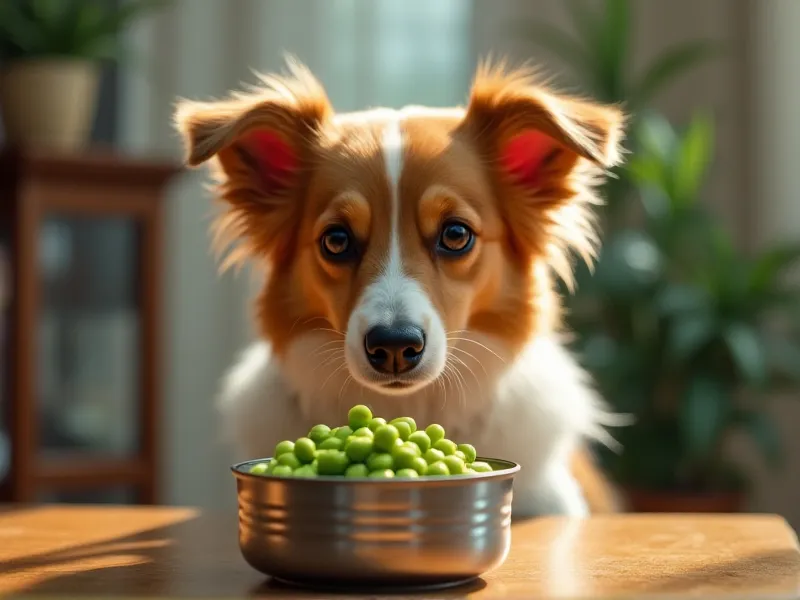
Table of Contents
- Can Dogs Eat Canned Sweet Peas? The Short Answer
- The Benefits of Sweet Peas for Dogs
- The Risks of Canned Sweet Peas for Dogs
- How Much Canned Sweet Peas Can Dogs Eat? Guidelines
- Healthier Alternatives to Canned Sweet Peas
- FAQ: Your Questions Answered
- Conclusion: Keeping Your Pup Happy and Healthy
1. Can Dogs Eat Canned Sweet Peas? The Short Answer
Yes, dogs can eat canned sweet peas in moderation—but with important caveats. Sweet peas themselves are non-toxic, nutrient-dense, and even offer some health benefits for dogs. However, the canning process can introduce risks like added salt, sugar, or preservatives, which make canned peas less ideal than fresh or frozen options.
Think of canned sweet peas as an occasional treat, not a staple. With careful portion control and label-checking, they can be a safe, tasty snack. But first, let’s dig into why sweet peas are worth considering—and what to watch out for.
2. The Benefits of Sweet Peas for Dogs
Sweet peas are more than just a colorful side dish—they’re a nutritional powerhouse, and many of those benefits extend to our canine companions. Here’s why a tiny portion of sweet peas might be a good addition to your dog’s diet (in moderation, of course!):
🌟 Nutrient-Rich: Vitamins and Minerals Galore
Sweet peas are packed with vitamins and minerals that support your dog’s overall health:
- Vitamin A: Essential for eye health, immune function, and healthy skin/coat.
- Vitamin K: Supports blood clotting and bone health (important for active dogs!).
- Vitamin C: An antioxidant that boosts immunity and helps fight inflammation.
- Potassium: Regulates heart function, muscle contractions, and fluid balance—vital for dogs’ cardiovascular health.
- Iron: Aids in red blood cell production, keeping your dog energized.
🌾 Fiber for Digestive Health
Sweet peas are high in dietary fiber, which helps keep your dog’s digestive system running smoothly. Fiber adds bulk to stool, preventing constipation, and can also support a healthy gut microbiome. For dogs prone to occasional digestive upset, a small serving of fiber-rich peas might help (though too much can backfire—more on that later!).
🐾 Low-Calorie, High-Volume Snack
If your dog needs to lose weight or you’re looking for low-calorie treat options, sweet peas are a great choice. They’re low in fat and calories but high in volume, so your pup will feel full without packing on pounds. This makes them a smarter alternative to processed dog treats, which are often high in empty calories.
🥦 A Tasty Way to Add Variety
Dogs thrive on a balanced diet, but variety can make mealtime more exciting (and prevent picky eating!). Adding a few peas to your dog’s regular food can introduce new flavors and textures, keeping them interested in their meals. Just be sure to mix them in gradually to avoid upsetting their stomach.
Source: The American Kennel Club (AKC) lists peas as a “safe and healthy” vegetable for dogs, noting their fiber and nutrient content.
3. The Risks of Canned Sweet Peas for Dogs
While sweet peas themselves are dog-friendly, canned sweet peas come with unique risks thanks to how they’re processed. Let’s break down the potential downsides to keep your pup safe:
🧂 Added Salt: A Hidden Danger
Most canned vegetables (including sweet peas) are packed in salted water to preserve freshness and enhance flavor. While a little salt is okay for dogs, too much can lead to serious health issues:
- Dehydration: Excess salt causes thirst and can lead to electrolyte imbalances.
- Sodium Ion Poisoning: In extreme cases (e.g., a dog eating an entire can of salted peas), high sodium can cause vomiting, diarrhea, seizures, or even kidney damage.
- Increased Blood Pressure: Long-term high-sodium diets may contribute to hypertension (high blood pressure) in dogs, especially seniors or those with heart/kidney conditions.
Always check the label for “no salt added” or “low sodium” canned peas. If the ingredient list includes “salt” or “sodium chloride” near the top, skip it—opt for unsalted versions instead.
🍬 Added Sugar: Unnecessary and Unhealthy
Some canned sweet peas (especially “sweetened” varieties) include added sugar or syrup to make them taste sweeter. Dogs don’t need sugar in their diet, and excess sugar can lead to:
- Weight gain and obesity
- Dental cavities
- Increased risk of diabetes (especially in overweight dogs)
Even “natural” sweeteners like corn syrup are problematic. Stick to plain, unsweetened canned peas—your dog won’t miss the sugar!
🥫 Preservatives and Additives
While most canned peas use minimal preservatives (the canning process itself preserves food), some brands may add chemicals like BPA (a plasticizer used in can liners) or artificial colors/flavors. BPA has been linked to hormonal disruptions in humans and animals, though the risk from occasional exposure is low. Still, it’s another reason to prefer fresh or frozen peas when possible.
🤢 Stomach Upset from Overfeeding
Even unsalted, unsweetened canned peas can cause digestive issues if your dog eats too many. The high fiber content that’s good for digestion in small amounts can lead to gas, bloating, diarrhea, or stomach cramps in large quantities. Puppies, senior dogs, or dogs with sensitive stomachs are especially prone to this.
🌶️ Choking Hazard (for Small Dogs)
Sweet peas are small, but whole peas could pose a choking risk for tiny breeds (e.g., Chihuahuas, Yorkies) or dogs who gulp their food without chewing. To minimize this risk, mash or chop peas for small dogs, or opt for frozen peas that have been thawed and slightly softened.
Source: The ASPCA notes that while peas are non-toxic, “excessive consumption of any new food can cause gastrointestinal upset.”
4. How Much Canned Sweet Peas Can Dogs Eat? Guidelines
The key word here is moderation. Canned sweet peas should never replace your dog’s regular, balanced dog food (which is formulated to meet all their nutritional needs). Instead, think of them as an occasional treat—no more than 10% of your dog’s daily calorie intake.
Here’s a general guideline based on your dog’s size:
| Dog Size | Recommended Serving | Frequency |
|---|---|---|
| Small (under 20 lbs) | 1–2 tablespoons per day | 2–3 times per week |
| Medium (20–50 lbs) | 2–3 tablespoons per day | 2–3 times per week |
| Large (50+ lbs) | 3–4 tablespoons per day | 2–3 times per week |
Pro Tips for Feeding Canned Sweet Peas Safely:
- Check the label first: Always choose “no salt added” or “low sodium” canned peas. Avoid any with added sugar, syrup, or preservatives.
- Rinse the peas: Even “no salt added” canned peas may have a small amount of sodium from the canning liquid. Rinsing them under cold water can reduce sodium by up to 40%!
- Mix with regular food: Stir a small portion into your dog’s kibble or wet food to add flavor and nutrients.
- Avoid seasoning: Never add butter, salt, pepper, or spices—these can upset your dog’s stomach.
- Watch for reactions: After feeding peas for the first time, monitor your dog for 24 hours. If they develop diarrhea, vomiting, or gas, hold off and try a smaller portion later (or switch to fresh/frozen).
5. Healthier Alternatives to Canned Sweet Peas
While canned sweet peas are safe in moderation, there are better options that offer the same benefits with fewer risks. Here are the healthiest alternatives:
🥗 Fresh Sweet Peas
Best choice! Fresh sweet peas (shelled) are the gold standard. They’re free of added salt/sugar, retain more nutrients, and have a crisp texture dogs love. To prepare:
- Remove peas from pods (discard the tough pods—only the peas inside are safe).
- Cook them lightly (steaming or boiling for 5–7 minutes) to make them easier to digest (raw peas may cause gas in some dogs).
- Cool completely before serving.
❄️ Frozen Sweet Peas
Frozen sweet peas are a close second to fresh. They’re picked and frozen at peak ripeness, locking in nutrients, and most have no added salt or sugar. To serve:
- Thaw a small portion (no need to cook—they’re pre-blanched).
- Pat dry to remove excess moisture (wet peas can be messy!).
🥕 Other Dog-Safe Veggies
If you want to mix up your dog’s snacks, try these veggies, which are just as healthy (or healthier!) than sweet peas:
- Green beans: Low-calorie, high-fiber, and great for dental health (crunchy texture helps clean teeth!).
- Carrots: Rich in vitamin A and beta-carotene; raw or cooked, they’re a favorite for most dogs.
- Cucumber: Hydrating, low-calorie, and perfect for hot days (no cooking needed!).
- Pumpkin: Canned pumpkin (unsweetened!) is a digestive superfood—great for diarrhea or constipation.
Source: VCA Hospitals recommends “cooked, plain vegetables like carrots, green beans, or peas” as safe treats for dogs.
6. FAQ: Your Questions Answered
Got more questions about dogs and canned sweet peas? We’ve got answers!
Q: Can puppies eat canned sweet peas?
A: Puppies can try small amounts of unsalted canned sweet peas (rinsed), but wait until they’re at least 6 months old. Puppies have sensitive digestive systems, so introduce new foods slowly. Start with 1–2 teaspoons and monitor for gas or diarrhea.
Q: My dog ate a whole can of canned sweet peas! Should I panic?
A: Stay calm, but monitor them closely. If the peas were salted, your dog may experience vomiting, diarrhea, or excessive thirst (signs of sodium overload). Contact your vet immediately if they show these symptoms. If the peas were unsalted, they may just have gas or loose stool—offer plenty of water and call your vet if symptoms last more than 24 hours.
Q: Are canned peas with “natural flavoring” safe?
A: “Natural flavoring” is vague—some brands use dog-safe ingredients, others may add onion or garlic powder (which are toxic to dogs). Always check the full ingredient list. If you see “onion” or “garlic,” avoid it!
Q: Can dogs eat the liquid from canned sweet peas?
A: No! The liquid (brine) is where most of the salt, sugar, or preservatives live. Always drain and rinse canned peas before serving to remove this liquid.
Q: Are sugar snap peas or snow peas safe for dogs?
A: Yes! Sugar snap peas (the whole pod) and snow peas are safe, but only the pod and peas inside—avoid the tough stems. Cook them lightly to soften the pod (raw pods may be hard to digest).
7. Conclusion: Share Safely, Snack Smart
So, can dogs eat canned sweet peas? Yes—with a little caution. They’re a nutrient-rich, low-calorie treat that most dogs love, but the canning process means you need to read labels, rinse thoroughly, and stick to small portions.
For the healthiest option, reach for fresh or frozen sweet peas instead. They’re free of additives, higher in nutrients, and just as tasty (if not more so!) for your pup.
Remember: Every dog is different. What works for one may upset another’s stomach. If you’re unsure about feeding your dog peas or any new food, consult your vet—they know your dog’s health history and can give personalized advice.
At the end of the day, sharing a tiny taste of your meal with your dog is one of the joys of pet parenthood. With a little knowledge and moderation, you can keep those tail wags coming—safely and happily.
Happy snacking, and here’s to many more pea-filled (and healthy!) moments with your furry friend!
References
- American Kennel Club (AKC). “Can Dogs Eat Peas?” akc.org
- ASPCA. “People Foods to Avoid Feeding Your Pets.” aspca.org
- VCA Hospitals. “Safe Human Foods for Dogs.” vcahospitals.com
- PetMD. “Can Dogs Eat Peas?” petmd.com