· 10 min read
Can Dogs Eat Canned Beetroot? A Pet Parent’s Guide to Benefits, Risks, and Safe Feeding
You’re in the kitchen, can opener in hand, about to add a splash of color to your salad with canned beetroot. Suddenly, a wet nose nudges your hand, and those big, imploring eyes lock onto the ruby-red slices. “Can I have some?” your dog seems to ask. It’s a scenario many pet parents face: curiosity about sharing human foods with our furry friends. But when it comes to canned beetroot, is it a safe snack or a risky choice?
Beetroot—with its vibrant hue and earthy flavor—has grown in popularity as a superfood for humans, packed with fiber, vitamins, and antioxidants. But dogs have different nutritional needs, and canned versions often come with added ingredients that might not be dog-friendly. In this guide, we’ll answer the big question: Can dogs eat canned beetroot? We’ll break down the benefits, risks, safe feeding tips, and healthier alternatives to help you make informed choices for your pup.
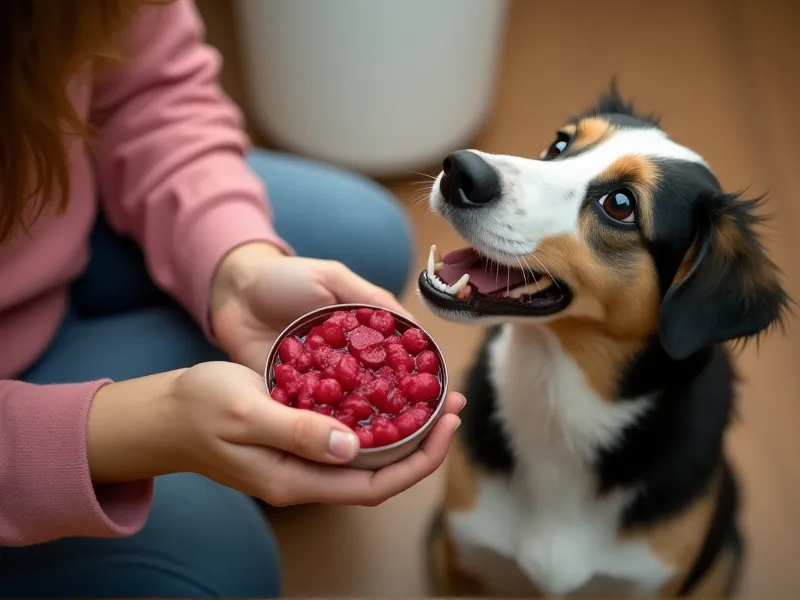
Table of Contents
- Can Dogs Eat Canned Beetroot? The Short Answer
- The Benefits of Beetroot for Dogs: What’s in It for Them?
- The Risks of Canned Beetroot: What Pet Parents Need to Watch For
- Safe Feeding Guidelines: How to Offer Canned Beetroot (If At All)
- Healthier Alternatives to Canned Beetroot
- FAQ: Your Canned Beetroot Questions Answered
- Conclusion: Moderation and Veterinary Guidance
Can Dogs Eat Canned Beetroot? The Short Answer
Yes, dogs can eat small amounts of canned beetroot occasionally—but with caveats. Beetroot itself is non-toxic to dogs and offers some nutritional benefits. However, most canned beetroot is packed with added salt, sugar, or preservatives, which are harmful to dogs in large quantities. The key is to choose plain, unsweetened, no-salt-added canned beetroot and serve it in tiny portions as a rare treat, not a regular meal.
If you’re considering sharing beetroot with your dog, fresh beetroot (cooked, not raw) is almost always a healthier choice than canned. But let’s dive deeper into the why behind the “yes, but…”
The Benefits of Beetroot for Dogs: What’s in It for Them?
Beetroot is more than just a colorful veggie—it’s a nutrient-dense food that can offer some perks to dogs when fed correctly. Here’s what makes it potentially beneficial:
1. Fiber: A Boost for Digestive Health
Beetroot is rich in dietary fiber, which helps regulate digestion in dogs (and humans!). Fiber adds bulk to stool, supporting regular bowel movements and preventing constipation. It also feeds the “good” bacteria in your dog’s gut, promoting a healthy microbiome. For dogs prone to occasional digestive upsets, a tiny amount of fiber from beetroot might help—though too much can backfire (more on that later).
2. Potassium: Supporting Heart and Muscle Function
Potassium is an essential mineral for dogs, playing a role in heart health, muscle contraction, and nerve function. A balanced level of potassium helps maintain healthy blood pressure and keeps the heart rhythm steady. Beetroot contains a moderate amount of potassium, which can contribute to your dog’s overall electrolyte balance—especially important for active pups who burn energy quickly.
3. Antioxidants: Fighting Free Radicals
Beetroot is loaded with antioxidants like betalains, which give it that deep red color. Antioxidants help neutralize free radicals (harmful molecules that damage cells), supporting your dog’s immune system and reducing inflammation. While research on betalains in dogs is limited, studies in humans suggest they may have anti-inflammatory and detoxifying properties—benefits that could extend to our furry companions in small doses.
4. Vitamins and Minerals: A Nutrient Boost
Beetroot also contains small amounts of:
- Vitamin C: Supports immune health and collagen production (though dogs make their own vitamin C, extra can still help).
- B Vitamins (Folate, B6): Important for energy metabolism and red blood cell production.
- Iron: Aids in oxygen transport in the blood (though dogs get most of their iron from animal-based proteins).
These nutrients work together to support overall health, but they’re best obtained through a balanced dog food diet. Beetroot should never replace your dog’s regular meals—think of it as a nutrient “bonus” in treat form.
The Risks of Canned Beetroot: What Pet Parents Need to Watch For
While beetroot itself isn’t toxic, canned beetroot comes with unique risks that make it less ideal than fresh. Here’s what to watch out for:
1. Added Sugar: A Hidden Danger
Many canned beetroot products (especially those labeled “sweetened” or “in syrup”) contain added sugar to enhance flavor. Dogs don’t need sugar in their diet, and excess sugar can lead to obesity, dental issues, and even diabetes over time. Even “low-sugar” options may have more sugar than is safe for dogs, so always check the label for ingredients like “high-fructose corn syrup” or “cane sugar.”
2. Excess Sodium: Bad for Blood Pressure
Salt is another common additive in canned foods, used as a preservative. Dogs have much lower sodium requirements than humans—too much salt can cause sodium ion poisoning, leading to symptoms like vomiting, diarrhea, excessive thirst, lethargy, or even seizures in severe cases. The ASPCA warns that high-sodium diets can also contribute to hypertension (high blood pressure) and kidney strain in dogs, especially those with preexisting conditions.
3. Digestive Upset: Gas, Diarrhea, and Bloating
Beetroot is high in fiber, which is great in small amounts—but too much can overwhelm your dog’s digestive system. Sudden introduction of high-fiber foods can cause gas, bloating, diarrhea, or constipation, especially in dogs with sensitive stomachs. Puppies and senior dogs may be more prone to these issues, as their digestive systems are less resilient.
4. Choking Hazard: Size and Texture Matter
Whole or large chunks of canned beetroot can pose a choking risk, especially for small dogs. The soft, slippery texture might also cause blockages if swallowed whole. Always chop canned beetroot into tiny, bite-sized pieces before feeding to reduce this risk.
5. Beeturia: When Red Urine Scares Pet Parents
A harmless but alarming side effect of beetroot consumption is beeturia—a condition where urine (and sometimes stool) turns pink or red. This is caused by betalain pigments in beetroot and is completely harmless in dogs (and humans!). However, many pet parents mistake red urine for blood, leading to unnecessary panic. If your dog eats beetroot and their urine changes color, don’t worry—it should return to normal within 24–48 hours. If you’re unsure, contact your vet to rule out other issues like a urinary tract infection.
Safe Feeding Guidelines: How to Offer Canned Beetroot (If At All)
If you still want to share canned beetroot with your dog, follow these strict guidelines to minimize risks:
1. Choose the Right Canned Beetroot
Opt for plain, unsweetened, no-salt-added canned beetroot. Read the ingredient list carefully—ingredients should only include “beetroot” and “water” (no sugar, salt, or preservatives). Avoid “pickled” beetroot, which is high in vinegar and salt, or “spiced” varieties with onions/garlic (both toxic to dogs).
2. Serve Small, Occasional Portions
Canned beetroot should never be a regular part of your dog’s diet. Treat it as an occasional snack—once or twice a month at most. Portion size depends on your dog’s weight:
- Small dogs (under 20 lbs): 1–2 tiny slices (about 1–2 teaspoons chopped).
- Medium dogs (20–50 lbs): 2–3 slices (about 1–2 tablespoons chopped).
- Large dogs (over 50 lbs): 3–4 slices (about 2–3 tablespoons chopped).
Even this is generous—err on the side of smaller portions to avoid digestive upset.
3. Prepare It Properly
- Drain and rinse: Canned beetroot may retain some residual sodium or liquid, even if “no-salt-added.” Rinse thoroughly under cold water to remove excess.
- Chop finely: Cut into small, bite-sized pieces to prevent choking. Mash or puree for very small dogs or puppies.
- Cook (optional): While canned beetroot is already cooked, gently heating it (without adding anything) can make it softer and easier to digest.
4. Monitor for Reactions
After feeding canned beetroot, watch your dog for 24 hours. Signs of trouble include vomiting, diarrhea, excessive gas, lethargy, or changes in appetite. If any of these occur, stop feeding beetroot and contact your vet.
Healthier Alternatives to Canned Beetroot
If you want to treat your dog to the benefits of beetroot without the risks of canned versions, fresh beetroot is the way to go. Here’s how to serve it safely:
1. Fresh Beetroot: The Gold Standard
Fresh beetroot has no added salt, sugar, or preservatives, making it a far healthier option than canned. To prepare:
- Wash thoroughly and peel (the skin is edible but may be tough for some dogs).
- Chop into small pieces and boil, steam, or roast until soft (raw beetroot is harder to digest and may cause more gas).
- Let cool, then serve in tiny portions as an occasional treat.
2. Other Dog-Friendly Veggies
If beetroot isn’t your dog’s favorite, or you want to mix up their treats, try these safe, nutrient-rich alternatives:
- Carrots: Crunchy, low-calorie, and high in beta-carotene (good for eyesight).
- Green beans: High in fiber and vitamins, low in calories—great for weight management.
- Sweet potatoes: Rich in fiber, vitamin A, and antioxidants (cooked, mashed, or diced).
- Pumpkin: Canned plain pumpkin (not pie filling!) is excellent for digestion and fiber.
3. Commercial Dog Treats: A Reliable Option
When in doubt, stick to commercial dog treats formulated specifically for canine nutrition. Look for treats with simple, whole-food ingredients and no added sugar or salt. Many brands offer veggie-based treats that provide similar benefits to beetroot without the guesswork.
FAQ: Your Canned Beetroot Questions Answered
Q: Can puppies eat canned beetroot?
A: Puppies have sensitive digestive systems, so it’s best to avoid canned beetroot (due to added salt/sugar and high fiber). If you want to share fresh beetroot, wait until they’re at least 6 months old, and serve only a tiny, cooked piece. Always consult your vet first.
Q: My dog ate a whole can of canned beetroot—what should I do?
A: If your dog consumed a large amount of canned beetroot (especially with added salt/sugar), monitor for symptoms like vomiting, diarrhea, excessive thirst, or lethargy. Contact your vet immediately, as high sodium could lead to electrolyte imbalances.
Q: Is beetroot juice safe for dogs?
A: Beetroot juice is not recommended. It’s highly concentrated, which means more sugar, fiber, and pigments—increasing the risk of digestive upset or beeturia. Stick to whole, cooked beetroot in small pieces.
Q: Can dogs with diabetes eat canned beetroot?
A: No. Canned beetroot often has added sugar, which is dangerous for dogs with diabetes. Even unsweetened canned beetroot has natural sugars that can spike blood sugar levels. Fresh beetroot in tiny amounts may be okay, but always consult your vet first.
Conclusion: Moderation and Veterinary Guidance
Canned beetroot can be a safe, occasional treat for dogs—if you choose the right kind (plain, no salt/sugar) and serve it in tiny portions. However, fresh beetroot is always a healthier option, as it avoids the additives and preservatives in canned varieties.
Remember: Your dog’s primary diet should be a balanced, high-quality dog food tailored to their age, size, and health needs. Treats like beetroot should make up no more than 10% of their daily calories.
If you’re unsure whether beetroot is safe for your dog—especially if they have health conditions like diabetes, kidney disease, or digestive issues—always consult your veterinarian first. They can provide personalized advice based on your pup’s unique needs.
At the end of the day, sharing a tiny, healthy treat with your dog is all about love—but a little caution ensures that love keeps them happy and healthy for years to come.
References
- American Society for the Prevention of Cruelty to Animals (ASPCA). People Foods to Avoid Feeding Your Pets. aspca.org/pet-care/animal-poison-control/people-foods-avoid-feeding-your-pets
- PetMD. Can Dogs Eat Beets? petmd.com/dog/nutrition/can-dogs-eat-beets
- Tufts University Cummings School of Veterinary Medicine. Nutrition for Dogs: Fiber. tuftscvm.org/your-pet/nutrition/dog-nutrition/fiber
- VCA Animal Hospitals. Sodium Ion Toxicosis in Dogs. vcahospitals.com/know-your-pet/sodium-ion-toxicosis-in-dogs