· 8 min read
Can Dogs Eat Canned Beans? What Pet Parents Need to Know
You’re cozied up with a bowl of chili, spooning in a hearty helping of canned beans, when your dog trots over—tail wagging, nose twitching, those big eyes locked on your meal. “Just a little taste?” you wonder. Before you slide a spoonful their way, let’s unpack the facts: Can dogs eat canned beans? Spoiler: The answer isn’t a simple “yes” or “no.” It depends on the type of beans, how they’re prepared, and how much you serve. Let’s dive in to keep your pup safe, happy, and healthy.
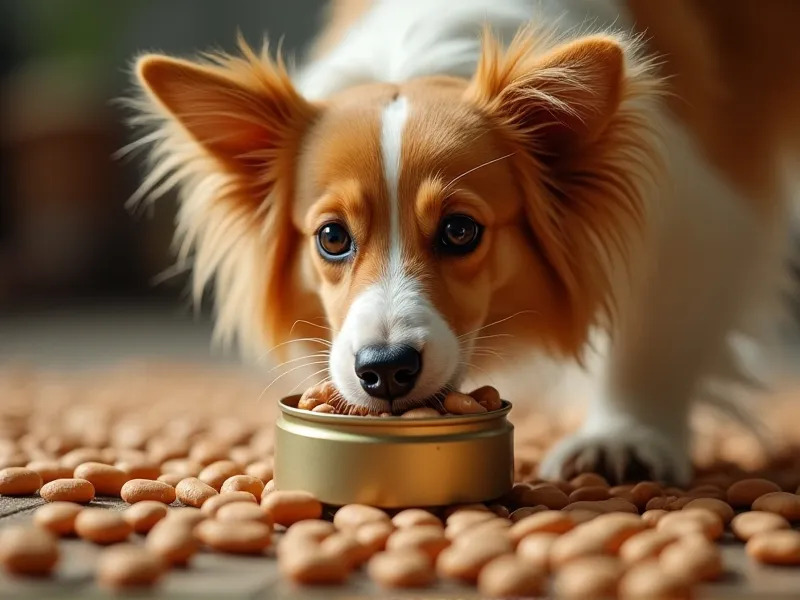
Table of Contents
- Can Dogs Eat Canned Beans? The Short Answer
- The Benefits of Canned Beans for Dogs
- Potential Risks to Watch Out For
- Safe Serving Guidelines: How Much is Too Much?
- Healthier Alternatives to Canned Beans
- FAQ: Your Canned Bean Questions Answered
- Conclusion: Moderation is Key
Can Dogs Eat Canned Beans? The Short Answer
Yes, dogs can eat some canned beans—but with strict conditions. Plain, unseasoned canned beans (like black beans, kidney beans, or pinto beans) are generally safe in small amounts. However, many canned beans are loaded with added salt, sugar, or toxic ingredients (like onions or garlic), which can harm your dog.
Think of canned beans as an occasional “treat,” not a regular part of their diet. Your dog’s primary nutrition should always come from a balanced dog food formulated for their age, size, and health needs.
The Benefits of Canned Beans for Dogs
When served safely, canned beans can offer a few nutritional perks for your pup. Let’s break down the good stuff:
1. Fiber: A Boost for Digestion
Beans are packed with soluble and insoluble fiber, which helps keep your dog’s digestive system running smoothly. Soluble fiber (found in beans like lentils and chickpeas) can regulate blood sugar and support gut bacteria, while insoluble fiber adds bulk to stool, preventing constipation.
Fun fact: Fiber is especially helpful for dogs prone to weight gain, as it helps them feel full longer—though beans shouldn’t replace portion control!
2. Plant-Based Protein (in Moderation)
Beans are a solid source of plant protein, which can complement your dog’s diet (though they shouldn’t replace animal-based protein, which is more bioavailable for dogs). For example, a ½-cup serving of canned black beans has about 7 grams of protein—handy for active pups or as a occasional snack.
3. Key Vitamins and Minerals
Canned beans deliver essential nutrients like:
- Potassium: Supports heart health and muscle function.
- Iron: Helps red blood cells carry oxygen (important for energy levels).
- Magnesium: Aids in bone health and nerve function.
Just remember: These benefits only apply to plain canned beans. Once you add salt, sugar, or spices, the downsides far outweigh the upsides.
Potential Risks to Watch Out For
Canned beans aren’t all sunshine and tail wags. Here are the risks to avoid:
1. Added Salt: A Hidden Danger
Most canned beans are preserved with salt to extend shelf life. A single cup of regular canned kidney beans can contain 400–600 mg of sodium—that’s more than half the daily recommended sodium intake for a 30-pound dog (which is around 200–300 mg, according to the AKC).
Too much sodium can lead to:
- Dehydration
- Increased thirst/urination
- Electrolyte imbalances
- In severe cases, kidney damage or hypertension (high blood pressure).
2. Sugar and Sweeteners: A No-Go
Canned baked beans are a big culprit here. They’re often packed with molasses, brown sugar, or high-fructose corn syrup to make them sweet. Dogs don’t need sugar, and excess can lead to obesity, dental issues, or even diabetes over time.
3. Stomach Upset: Gas and Diarrhea
Beans are famous for causing gas in humans—and dogs are no exception! Their digestive systems aren’t built to handle large amounts of fiber, so overdoing it can lead to bloating, flatulence, or loose stools. Small dogs or those with sensitive stomachs are especially prone to this.
4. Choking Hazards (for Small Dogs)
Large beans (like whole kidney beans) can pose a choking risk for tiny breeds or dogs who gulp their food. Always mash or chop beans for small pups to prevent blockages.
5. Toxic Additives: Onions, Garlic, and More
Some canned bean products (like chili beans or “flavored” beans) include onions, garlic, or onion powder. These are toxic to dogs, as they can damage red blood cells and cause anemia (a condition called hemolytic anemia). Even small amounts can be harmful, so always check labels carefully!
Safe Serving Guidelines: How Much is Too Much?
If you want to share canned beans with your dog, follow these rules to keep them safe:
Step 1: Choose the Right Beans
Stick to plain, no-salt-added, unseasoned canned beans. Look for labels that say “no salt added” or “low sodium.” Good options include:
- Black beans
- Kidney beans (red or white)
- Pinto beans
- Chickpeas (garbanzo beans)
- Lentils (though lentils are often sold dried, canned versions work too!)
Avoid: Baked beans, chili beans, refried beans, or any beans with added sugar, salt, onions, garlic, or spices.
Step 2: Rinse Thoroughly
Even “no-salt-added” beans can have residual sodium from processing. Rinse them under cold water for 1–2 minutes to wash away excess salt, starch, and preservatives. This simple step cuts sodium by up to 40%, according to the USDA.
Step 3: Serve in Tiny Portions
Beans should be an occasional treat, not a meal. As a general rule:
- Small dogs (under 20 lbs): 1–2 tablespoons, once or twice a week.
- Medium dogs (20–50 lbs): 2–3 tablespoons, once or twice a week.
- Large dogs (50+ lbs): Up to ¼ cup, once or twice a week.
Never replace a meal with beans—they lack the balanced nutrients (like taurine, an amino acid critical for dogs) found in high-quality dog food.
Step 4: Watch for Reactions
After serving beans, monitor your dog for 24 hours. If they develop gas, diarrhea, vomiting, or lethargy, skip beans in the future. Some dogs simply don’t tolerate them well!
Healthier Alternatives to Canned Beans
If you’re wary of canned beans (or your dog doesn’t love them), these alternatives are safer and often more nutritious:
1. Fresh or Frozen Green Beans
Green beans are a vet favorite! They’re low in calories, high in fiber, and packed with vitamins A, C, and K. Serve them steamed, raw (chopped for small dogs), or frozen (as a crunchy treat). No added salt needed—dogs love their natural crunch!
2. Cooked Dried Beans
Dried beans (soaked and cooked without salt) are cheaper and have less sodium than canned. Just be sure to cook them until soft to avoid digestive upset.
3. Lentils
Cooked lentils (no salt) are a great source of fiber and protein, and they’re easier to digest than some beans. Mash them and mix with a little plain rice for a bland treat if your dog has an upset stomach (check with your vet first!).
4. Plain Pumpkin (Canned, No Sugar)
Canned pumpkin (not pumpkin pie filling!) is a fiber superstar. It’s gentle on tummies and helps with both constipation and diarrhea. Mix 1–2 tablespoons into your dog’s food for a healthy boost.
FAQ: Your Canned Bean Questions Answered
Q: Can dogs eat canned kidney beans?
A: Yes, if they’re plain, no-salt-added, and rinsed. Kidney beans are safe in small portions, but avoid large whole beans for small dogs (choking risk).
Q: Are canned baked beans safe for dogs?
A: No. Baked beans are loaded with sugar, molasses, and often onion powder—all harmful to dogs. Even a small spoonful can cause stomach upset or worse.
Q: My dog ate a can of beans with salt. Should I worry?
A: It depends on the amount. If your dog ate a small amount (e.g., a few spoonfuls), monitor for increased thirst or diarrhea. If they ate a full can (especially a large dog), contact your vet—excess salt can lead to sodium ion poisoning, which requires immediate care.
Q: Can puppies eat canned beans?
A: Puppies have sensitive tummies, so it’s best to skip beans until they’re older (6+ months). If you do share, stick to 1 teaspoon (for toy breeds) and watch for gas or diarrhea. Always ask your vet first!
Q: Are refried beans safe?
A: Most refried beans are made with lard, salt, and spices—avoid them. Look for “no-salt-added, vegetarian” refried beans, but even then, they’re high in fat, which can cause pancreatitis in dogs.
Conclusion: Moderation is Key
So, can dogs eat canned beans? Yes—but only plain, rinsed, no-salt-added varieties, and in tiny, occasional portions. While they offer fiber, protein, and nutrients, the risks (salt, sugar, stomach upset) mean they’re better as a rare treat than a regular snack.
When in doubt, opt for safer alternatives like fresh green beans or cooked lentils. And as always, consult your vet before adding new foods to your dog’s diet—they know your pup’s unique needs best.
Your dog’s “please share” eyes are hard to resist, but with a little knowledge, you can treat them safely and keep those tails wagging for years to come!
Sources:
- American Kennel Club (AKC): “Human Foods Dogs Can and Can’t Eat”
- ASPCA: “Toxic and Non-Toxic Plants” (Onions/Garlic)
- VCA Hospitals: “Dietary Fiber for Dogs”
- USDA: “Sodium in Canned Beans: Rinsing Reduces Sodium”