· 8 min read
Can Dogs Eat Candy Corn? The Sweet Truth Every Pet Parent Needs to Know
It’s October, and your living room is decked out in orange and black. A bowl of candy corn sits on the coffee table, its tri-colored kernels glinting like tiny Halloween gems. Your dog, ever the opportunist, trots over, tail thumping, and gives you those big, pleading eyes. “Just one?” you think. “It’s so small—could it really hurt?”
If you’ve ever found yourself in this scenario, you’re not alone. Candy corn is a fall staple, but when it comes to our furry friends, the question lingers: Can dogs eat candy corn? Spoiler: The answer isn’t as sweet as the treat itself. In this guide, we’ll break down the risks, debunk myths, and share safer alternatives to keep your pup happy and healthy this season.
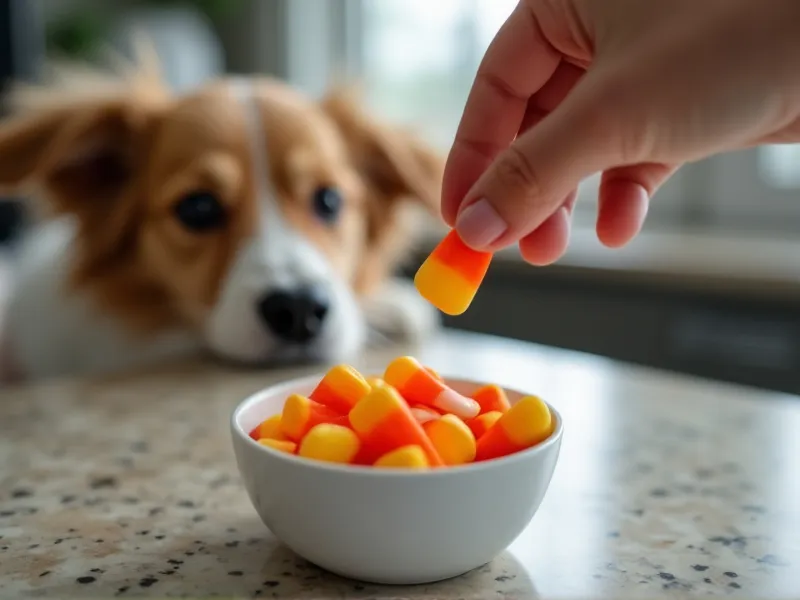
Table of Contents
- Can Dogs Eat Candy Corn? The Short Answer
- The “Benefits” of Candy Corn for Dogs: Separating Fact from Fiction
- The Risks of Candy Corn for Dogs: Why It’s Best to Avoid
- Sugar Overload: A Recipe for Long-Term Health Issues
- Gastrointestinal Upset: Stomachaches and Worse
- Choking Hazard: Small Size, Big Risk
- Artificial Additives: Colors, Flavors, and What They Mean for Your Pup
- Accidental Ingestion: What to Do If Your Dog Eats Candy Corn
- Healthier Alternatives to Candy Corn: Treats Your Pup Will Love
- Frequently Asked Questions (FAQs) About Dogs and Candy Corn
- Conclusion: Keep Your Pup Safe and Happy This Season
- References
1. Can Dogs Eat Candy Corn? The Short Answer
Let’s cut to the chase: No, dogs should not eat candy corn. While a single kernel is unlikely to send your pup to the emergency vet, candy corn offers zero nutritional value and poses several risks to your dog’s health. From sugar overload to choking hazards, this festive treat is better left out of your dog’s bowl.
2. The “Benefits” of Candy Corn for Dogs: Separating Fact from Fiction
You might wonder, “But candy corn has corn in the name—doesn’t that mean it has some nutrients?” Let’s take a closer look at its ingredients. A typical candy corn recipe includes:
- Sugar (or high-fructose corn syrup)
- Corn syrup
- Confectioner’s glaze (often made from shellac, a resin from beetles)
- Artificial colors (like Yellow 5, Yellow 6, and Red 40)
- Artificial flavors
Notice anything missing? Vitamins, fiber, protein, or healthy fats—all the things your dog needs to thrive. The “corn” in candy corn refers to corn syrup, not whole-grain corn. There’s no fiber, potassium, or other nutrients here—just empty calories.
In short: Candy corn is a “junk food” for humans, and it’s even worse for dogs, who have no biological need for added sugar.
3. The Risks of Candy Corn for Dogs: Why It’s Best to Avoid
Now, let’s dive into the real concerns. Candy corn might seem harmless, but these tiny kernels pack a punch of risks for your pup.
Sugar Overload: A Recipe for Long-Term Health Issues
Dogs’ bodies aren’t designed to process large amounts of sugar. Their wild ancestors ate a diet of protein, fat, and minimal carbs—no sugary snacks in sight. When dogs consume sugar, it can lead to:
- Obesity: Extra sugar turns into fat, and obesity in dogs raises the risk of joint pain, heart disease, and diabetes.
- Dental disease: Sugar feeds harmful bacteria in your dog’s mouth, leading to plaque, tartar, and cavities. Dogs can’t brush their teeth, so sugary treats accelerate tooth decay.
- Insulin resistance: Over time, frequent sugar intake can make your dog’s cells less responsive to insulin, increasing the risk of diabetes.
Even a small handful of candy corn contains a shocking amount of sugar. A single serving (about 19 pieces) has 22 grams of sugar—more than a can of soda! For a 20-pound dog, that’s like you eating 10 cans of soda in one sitting.
Gastrointestinal Upset: Stomachaches and Worse
Dogs have sensitive digestive systems, and sugar is a common culprit for stomach trouble. If your dog eats candy corn, you might notice:
- Vomiting
- Diarrhea
- Bloating
- Gas
In severe cases, especially if your dog eats a large amount, the sugar can draw water into the intestines, leading to dehydration. Puppies, senior dogs, or dogs with pre-existing conditions (like IBS) are even more vulnerable.
Choking Hazard: Small Size, Big Risk
Candy corn is small, hard, and cylindrical—perfect for getting stuck in a dog’s throat. Small breeds (like Chihuahuas or Yorkies) are at higher risk, but even medium or large dogs can choke if they gulp down a piece without chewing.
If the candy corn isn’t stuck in the throat, it could also cause an intestinal blockage, especially if your dog eats multiple pieces. Blockages are life-threatening and often require surgery to remove.
Artificial Additives: Colors, Flavors, and What They Mean for Your Pup
Candy corn’s bright colors and sweet flavor come from artificial additives, which are unnecessary and potentially harmful:
- Artificial colors: FD&C Yellow 5, Yellow 6, and Red 40 are linked to hyperactivity in children, and while research on dogs is limited, they offer no benefit and may trigger allergic reactions (like itching or skin rashes) in sensitive pups.
- Confectioner’s glaze: This coating gives candy corn its shine, but it’s often made from shellac—a resin secreted by female lac bugs. While not toxic, it’s indigestible and can irritate your dog’s stomach.
4. Accidental Ingestion: What to Do If Your Dog Eats Candy Corn
Mistakes happen! If your dog sneaks a candy corn (or a few), here’s what to do:
- A single piece: Stay calm. One kernel is unlikely to cause severe harm, but monitor your dog for 24 hours. Watch for vomiting, diarrhea, or lethargy. If they seem fine, they’re probably okay.
- A handful or more: Contact your vet immediately. Large amounts can cause stomach upset, dehydration, or blockages. Your vet may recommend inducing vomiting (if done within 2 hours of ingestion) or monitoring for symptoms.
- Sugar-free candy corn: Panic a little. Some sugar-free treats use xylitol, a sugar substitute that’s toxic to dogs. Even small amounts of xylitol can cause seizures, liver failure, or death. If the candy corn is sugar-free, call the Pet Poison Helpline (855-764-7661) or your vet right away.
5. Healthier Alternatives to Candy Corn: Treats Your Pup Will Love
Instead of candy corn, spoil your dog with these seasonal, nutrient-packed alternatives. They’re low in sugar, high in vitamins, and sure to make your pup’s tail wag:
- Pumpkin: Fresh or canned (unsweetened!) pumpkin is rich in fiber and beta-carotene (which converts to vitamin A). Freeze small spoonfuls for a cool fall treat.
- Sweet potato: Baked or steamed sweet potato is a great source of fiber, vitamin C, and potassium. Mash a little into their food or cut into bite-sized pieces.
- Carrots: Crunchy and low-calorie, carrots clean teeth and provide vitamin A.
- Blueberries: These tiny superfoods are packed with antioxidants and fiber.
- Apple slices: Remove the seeds (they contain cyanide) and core, then offer thin slices. Apples have fiber and vitamin C.
Pro tip: Always introduce new treats slowly to avoid stomach upset, and check with your vet if your dog has dietary restrictions.
6. Frequently Asked Questions (FAQs) About Dogs and Candy Corn
Q: My dog ate one candy corn. Should I take them to the vet?
A: Probably not. One piece is unlikely to cause harm, but monitor for vomiting, diarrhea, or lethargy. If symptoms appear, call your vet.
Q: Is sugar-free candy corn safer for dogs?
A: No! Many sugar-free treats contain xylitol, which is toxic to dogs. Even a small amount can be deadly. Always check the label, and avoid sugar-free candy corn entirely.
Q: Can puppies eat candy corn?
A: Puppies have smaller stomachs and developing immune systems, so candy corn is even riskier for them. Avoid it entirely.
Q: My dog begs for candy corn. How do I say no without feeling guilty?
A: Offer a healthy alternative instead! Keep pumpkin cubes or carrot sticks handy to redirect their begging. Consistency is key—if you give in once, they’ll keep asking.
Q: Are other Halloween candies safer than candy corn?
A: Most Halloween candies (chocolate, gummies, lollipops) are unsafe for dogs. Chocolate contains theobromine, which is toxic, and gummies pose choking risks. Stick to dog-safe treats!
7. Conclusion: Keep Your Pup Safe and Happy This Season
Candy corn might be a nostalgic treat for humans, but it’s best left off your dog’s menu. From sugar overload to choking hazards, the risks far outweigh any fleeting “joy” of sharing a kernel. Instead, opt for nutrient-dense alternatives like pumpkin or sweet potato—your pup will thank you with tail wags and a healthy smile.
If your dog accidentally eats candy corn, stay calm, monitor for symptoms, and don’t hesitate to call your vet. And remember: When in doubt, err on the side of caution. Your furry friend’s health is always worth it.
Here’s to a safe, happy fall—full of belly rubs, walks in the crisp air, and treats that are as good for your pup as they are delicious.
8. References
- American Society for the Prevention of Cruelty to Animals (ASPCA). “People Foods to Avoid Feeding Your Pets.” aspca.org/pet-care/animal-poison-control/people-foods-avoid-feeding-your-pets
- Pet Poison Helpline. “Xylitol Toxicity in Dogs.” petpoisonhelpline.com/poison/xylitol/
- VCA Animal Hospitals. “Gastroenteritis in Dogs.” vcahospitals.com/know-your-pet/gastroenteritis-in-dogs
- American Kennel Club (AKC). “Can Dogs Eat Pumpkin?” akc.org/expert-advice/nutrition/can-dogs-eat-pumpkin/