· 8 min read
Can Dogs Eat Candy? The Sweet Truth Every Pet Parent Needs to Know
It’s a cozy evening: you’re curled up on the couch, movie playing, and a bowl of your favorite candy within arm’s reach. Suddenly, you feel a wet nose nudge your hand. Looking down, you’re met with those irresistible puppy eyes—wide, hopeful, and clearly begging for a taste of your treat. We’ve all been there. But before you cave to those cute stares, there’s a crucial question to ask: Can dogs eat candy?
Candy is a staple of human celebrations, from Halloween to birthdays, but what’s harmless (or indulgent) for us could be dangerous for our four-legged companions. In this guide, we’ll break down the risks, the rare “benefits” (spoiler: they’re minimal), and share safer alternatives to satisfy your dog’s sweet tooth without compromising their health. Let’s dive in!
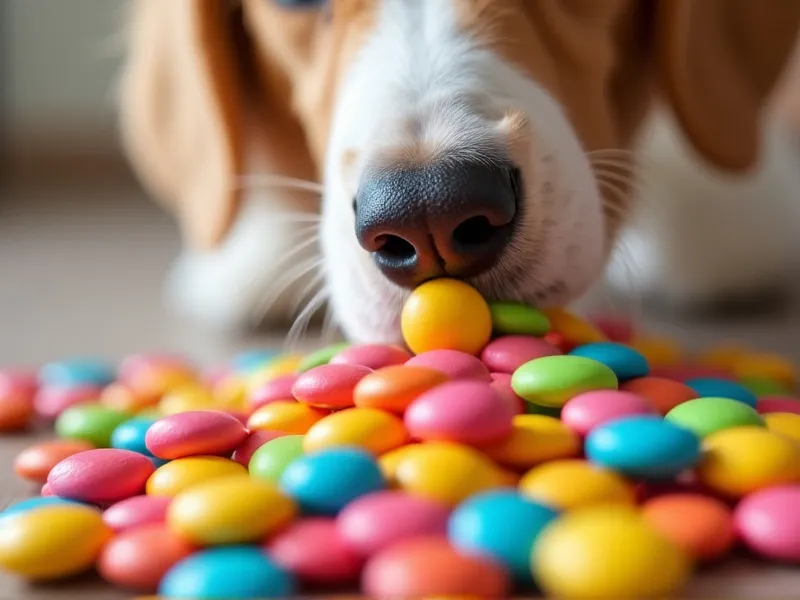
Table of Contents
- Can Dogs Eat Candy? The Short Answer
- Potential “Benefits” of Candy for Dogs (Spoiler: They’re Minimal)
- The Risks of Feeding Candy to Dogs (Why It’s Best to Avoid)
- How Much Candy Is “Safe” for Dogs? (Hint: Virtually None)
- Healthier Alternatives to Candy for Dogs
- FAQ: Your Candy Questions Answered
- Conclusion: Prioritize Your Dog’s Health Over Sweet Temptations
- References
Can Dogs Eat Candy? The Short Answer
Let’s cut to the chase: Most candy is not safe for dogs. While a tiny, accidental lick of a sugary treat might not immediately harm your pet, the risks—from toxic ingredients to long-term health issues—far outweigh any momentary joy.
Dogs have different metabolic systems than humans, and many common candy ingredients (like xylitol or chocolate) are actively toxic to them. Even “harmless” sugary candies can lead to obesity, diabetes, or dental disease over time. The bottom line? Candy should never be a regular part of your dog’s diet, and some types should be avoided entirely.
Potential “Benefits” of Candy for Dogs (Spoiler: They’re Minimal)
You might wonder: Could there be any upside to sharing a sweet with your pup? After all, some candies are fruit-flavored or “natural.” Let’s explore—but don’t get your hopes up.
Trace Nutrients, but at a Cost
A few candies (like fruit-flavored gummies or “natural” hard candies) might contain tiny amounts of real fruit. For example, a strawberry candy could have a hint of strawberry puree, which contains fiber and vitamin C. But here’s the catch: These candies are heavily processed, loaded with added sugars, and the “nutrients” are negligible compared to the risks.
Dogs already get all the vitamins, minerals, and fiber they need from a balanced, high-quality dog food. Adding candy is like giving them a junk food snack—empty calories with no real nutritional value.
Emotional “Benefit”?
Sure, sharing a treat might make your dog happy in the moment (who doesn’t love a special snack?). But there are plenty of healthy alternatives that will make them just as excited—without the health risks. Your dog’s tail wag isn’t worth trading for future vet bills.
The Risks of Feeding Candy to Dogs (Why It’s Best to Avoid)
Now, let’s get serious: The dangers of candy for dogs are very real. Here’s what you need to watch out for.
Xylitol: The Hidden Killer in “Sugar-Free” Candies
Xylitol is a sugar substitute found in sugar-free candies, gum, mints, and even some baked goods. It’s safe for humans but extremely toxic to dogs—even in small amounts.
When a dog ingests xylitol, it triggers a rapid release of insulin in their body, causing blood sugar to plummet (hypoglycemia). Symptoms include vomiting, loss of coordination, seizures, and even liver failure. In severe cases, xylitol poisoning can be fatal.
How little is too much? As little as 0.1 grams of xylitol per kilogram of your dog’s body weight can cause hypoglycemia. For a 10-pound dog, that’s just a single piece of sugar-free gum or a few mints. Always check labels for “xylitol,” “sugar alcohol,” or “artificial sweetener” before sharing any candy.
Chocolate: A Toxic Temptation
Chocolate is a classic candy favorite, but it’s also one of the most well-known dog toxins. It contains theobromine, a stimulant that dogs can’t metabolize effectively. Theobromine builds up in their system, causing symptoms like:
- Vomiting and diarrhea
- Increased heart rate and restlessness
- Muscle tremors or seizures
- In severe cases, heart failure or death
The danger depends on the type of chocolate:
- White chocolate: Very low theobromine (minimal risk, but still high in sugar).
- Milk chocolate: Moderate risk (about 1.5 ounces can be toxic for a 10-pound dog).
- Dark chocolate/semisweet: High risk (0.5 ounces can harm a 10-pound dog).
- Baking chocolate: Extremely toxic (just 0.1 ounces can be fatal for a 10-pound dog).
Sugar Overload: Obesity, Diabetes, and Dental Disaster
Even candies without xylitol or chocolate are packed with sugar—and sugar is bad news for dogs.
- Obesity: Excess sugar leads to weight gain, which increases the risk of joint pain, heart disease, and other health issues. According to the Association for Pet Obesity Prevention, over 50% of dogs in the U.S. are overweight or obese.
- Diabetes: Chronic sugar intake can disrupt insulin regulation, leading to type 2 diabetes. Symptoms include increased thirst, frequent urination, and weight loss.
- Dental disease: Sugar feeds harmful bacteria in your dog’s mouth, causing plaque, tartar, and gum disease. By age 3, 80% of dogs have some form of dental disease, and sugary treats only make it worse.
Artificial Additives: Dyes, Preservatives, and Allergies
Many candies contain artificial colors (like Red 40 or Yellow 5), flavors, or preservatives (like BHA or BHT). These additives are linked to allergies, skin irritations, and even behavioral issues in some dogs. For example, artificial dyes have been associated with hyperactivity in pets, similar to how they affect some children.
Choking Hazards and Intestinal Blockages
Hard candies, lollipops, or chewy candies (like taffy) pose a choking risk, especially for small dogs. Even worse, candy wrappers—plastic, foil, or paper—can get stuck in your dog’s throat or intestines, causing a life-threatening blockage. Symptoms of blockage include vomiting, loss of appetite, and lethargy, and often require surgery to fix.
How Much Candy Is “Safe” for Dogs? (Hint: Virtually None)
The honest answer? There’s no “safe” amount of candy for dogs. Even small doses of xylitol or chocolate can be toxic, and sugary candies, while not immediately fatal, contribute to long-term health problems.
If your dog accidentally gets a tiny piece of candy (e.g., a single M&M that fell on the floor), monitor them closely for 24 hours. Look for symptoms like vomiting, diarrhea, lethargy, or seizures. If they ingested xylitol, chocolate, or a large amount of candy, contact your vet or an emergency animal hospital immediately.
Healthier Alternatives to Candy for Dogs
Instead of candy, treat your pup to these dog-safe, nutrient-packed alternatives. They’ll love the taste, and you’ll love knowing you’re keeping them healthy!
1. Frozen Blueberries
Blueberries are a superfood for dogs! They’re low in sugar, high in antioxidants, and make a refreshing summer treat. Freeze them for a crunchy, icy snack—perfect for hot days.
2. Apple Slices (No Seeds!)
Apples are rich in fiber and vitamin C. Just remove the core and seeds (seeds contain small amounts of cyanide, which is toxic in large doses) and slice into bite-sized pieces.
3. Carrot Sticks
Crunchy carrots are great for your dog’s teeth and low in calories. They’re also packed with beta-carotene, which supports eye health.
4. Banana Bits
Bananas are a sweet, potassium-rich treat. Offer small slices in moderation (they’re high in natural sugar) as a special reward.
5. Dog-Safe Peanut Butter
Look for unsalted, unsweetened peanut butter with no xylitol. Spread a little on a toy or spoon for a protein-packed snack.
6. Commercial Dog Treats
Opt for high-quality dog treats made with natural ingredients. Look for brands with limited additives and protein as the first ingredient (e.g., chicken, salmon).
FAQ: Your Candy Questions Answered
Q: Can dogs eat chocolate candy?
A: No! Chocolate contains theobromine, which is toxic to dogs. Dark chocolate and baking chocolate are the most dangerous, but even milk chocolate can harm small dogs.
Q: What if my dog ate a piece of candy with xylitol?
A: Call your vet immediately. Xylitol causes life-threatening hypoglycemia and liver failure. Time is critical—treatment (like IV fluids or activated charcoal) can save their life.
Q: Are sugar-free candies safer than regular ones?
A: No! Sugar-free candies often contain xylitol, which is far more dangerous than sugar. Always avoid sugar-free treats unless you’re certain they’re xylitol-free.
Q: Can puppies have candy?
A: Puppies have smaller bodies and developing immune systems, so they’re even more vulnerable to candy’s risks. Never feed candy to puppies.
Q: Are there any “safe” candies for dogs?
A: No candy is truly safe. Stick to dog-specific treats or fresh fruits/veggies instead.
Conclusion: Prioritize Your Dog’s Health Over Sweet Temptations
While it’s hard to resist those puppy eyes during candy time, remember: Your dog’s health is worth more than a momentary treat. Candy is loaded with toxins, sugar, and risks that can lead to serious illness or even death.
Instead, bond with your pup over healthy alternatives like blueberries, carrots, or dog-safe peanut butter. And if you ever have questions about a specific food, don’t hesitate to consult your vet—they’re your best resource for keeping your furry friend happy and healthy.
Here’s to many more years of tail wags, slobbery kisses, and safe treats!
References
- American Society for the Prevention of Cruelty to Animals (ASPCA). “Xylitol Toxicity in Dogs.” aspca.org
- ASPCA. “Chocolate Toxicity in Dogs.” aspca.org
- PetMD. “Sugar and Dogs: Is Sugar Bad for Dogs?” petmd.com
- American Kennel Club (AKC). “10 Best Healthy Dog Treats.” akc.org
- VCA Hospitals. “Dog Nutrition: What’s Best for Your Dog.” vcahospitals.com