· 9 min read
Can Dogs Eat Calf Liver? Benefits, Risks, and Safe Feeding Guidelines
You’re sautéing a pan of calf liver and onions for dinner, and your dog is parked at your feet, tail thumping a rapid rhythm. Their nose twitches at the rich, meaty aroma, and those big, soulful eyes lock onto yours. “Share?” they seem to beg. If you’re holding a piece of that tender liver, you might pause: Is this safe for my dog? Could it even be good for them?
If you’ve ever wondered whether calf liver has a place in your pup’s diet, you’re not alone. Liver is a nutrient-dense superfood for humans, but dogs have different nutritional needs. Let’s cut through the confusion: Yes, dogs can eat calf liver—but it’s not a free-for-all. To keep your dog happy and healthy, it’s critical to understand the benefits, risks, and how to serve it safely.
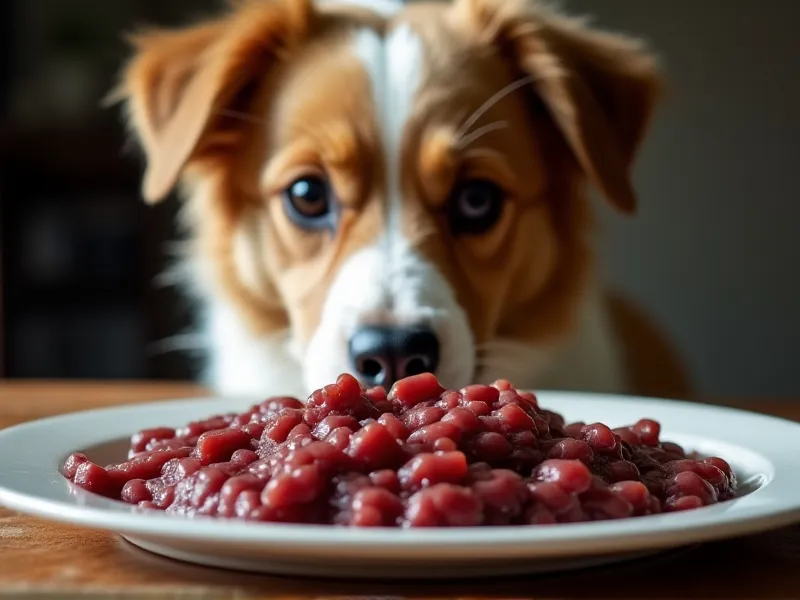
Table of Contents
- Can Dogs Eat Calf Liver? The Short Answer
- The Benefits of Calf Liver for Dogs: Why It’s a Nutrient Powerhouse
- The Risks of Feeding Calf Liver to Dogs: What to Watch Out For
- How Much Calf Liver Can Dogs Eat? Safe Portion Sizes
- Healthier Alternatives to Calf Liver for Dogs
- Frequently Asked Questions (FAQ)
- Conclusion: Calf Liver as a Treat, Not a Staple
- References
Can Dogs Eat Calf Liver? The Short Answer
Yes, dogs can eat calf liver—but only in moderation. Liver is a natural part of a dog’s ancestral diet (think: wolves and wild canids snacking on prey organs), and it’s packed with vitamins and minerals that support their health. However, calf liver is extremely nutrient-dense, which means too much can cause harm.
Think of it like dark chocolate for humans: A square is a delicious, antioxidant-rich treat, but a whole bar might leave you with a stomachache. Calf liver works the same way for dogs—small, occasional portions can boost their nutrition, but overdoing it risks serious issues like vitamin toxicity.
The Benefits of Calf Liver for Dogs: Why It’s a Nutrient Powerhouse
Calf liver isn’t just “meat”—it’s a nutritional powerhouse. ounce for ounce, it contains more vitamins and minerals than most other cuts of meat, making it a great occasional addition to your dog’s diet. Here’s how those nutrients benefit your pup:
Vitamin A: Supporting Vision and Immunity
Calf liver is loaded with vitamin A, a fat-soluble vitamin critical for dogs. Vitamin A supports:
- Vision: It helps maintain healthy eyesight, especially in low light (think “night vision” for your pup).
- Immune function: It strengthens the immune system, helping your dog fight off infections.
- Skin and coat health: It keeps skin moisturized and coats shiny by supporting cell turnover.
Dogs can’t make vitamin A on their own, so they need it from their diet. Calf liver is one of the most concentrated sources—just a small piece can provide a significant portion of their daily needs.
Iron: Preventing Anemia and Boosting Energy
Iron is essential for dogs, as it helps red blood cells carry oxygen throughout the body. Without enough iron, dogs can develop anemia, leading to fatigue, weakness, and pale gums.
Calf liver is rich in heme iron (the type most easily absorbed by the body), making it a natural remedy for dogs with mild iron deficiencies. Even healthy dogs benefit from a little extra iron to keep their energy levels up—perfect for active pups who love to play fetch or hike!
B Vitamins: Fueling Brain and Body
Calf liver is a B-vitamin bonanza, including B12, folate, riboflavin (B2), and niacin (B3). These vitamins work together to:
- Boost energy: B vitamins convert food into fuel, keeping your dog active and playful.
- Support brain health: B12 and folate are critical for nerve function and cognitive health, especially in senior dogs.
- Aid digestion: B vitamins help maintain a healthy gut lining, ensuring your dog absorbs nutrients from their food.
Protein and Minerals: Building Blocks for Health
Liver is also a great source of high-quality protein, which dogs need for muscle repair, growth, and overall body function. Plus, it’s packed with minerals like:
- Zinc: Supports skin health, wound healing, and immune function.
- Copper: Helps form red blood cells and maintain healthy bones.
- Selenium: An antioxidant that protects cells from damage.
In short, calf liver is like a multivitamin in meat form—when fed correctly. But as with any supplement, balance is key.
The Risks of Feeding Calf Liver to Dogs: What to Watch Out For
While calf liver has impressive benefits, it’s not without risks. Its nutrient density is a double-edged sword: Too much can lead to imbalances or toxicity. Here’s what to watch for:
Vitamin A Toxicity: When More Isn’t Better
Vitamin A is critical for dogs, but it’s fat-soluble, meaning the body stores excess instead of flushing it out. This makes it easy to overdo it with liver, which is extremely high in vitamin A.
Chronic overfeeding of calf liver can cause hypervitaminosis A—a serious condition where vitamin A builds up in the liver and bones. Symptoms include:
- Joint pain or stiffness (due to bone and cartilage damage).
- Lethargy or reluctance to move.
- Loss of appetite.
- Weight loss.
- Dry, flaky skin or hair loss.
In severe cases, hypervitaminosis A can lead to permanent joint damage or organ failure. Puppies and senior dogs are especially vulnerable, as their bodies are less efficient at processing excess nutrients.
High Cholesterol: A Concern for Sensitive Pups
Calf liver is high in cholesterol (about 300mg per 3.5-ounce serving). Unlike humans, dogs don’t typically develop high cholesterol from diet alone—their bodies regulate it tightly. However, dogs with pancreatitis or gallbladder disease may struggle to digest high-fat, high-cholesterol foods like liver.
If your dog has a history of digestive issues, check with your vet before feeding liver. Even a small piece could trigger inflammation or a painful flare-up.
Bacterial Contamination: Raw vs. Cooked Liver
Raw liver is a popular choice for “raw-fed” dogs, but it carries risks. Like all raw meat, calf liver can harbor harmful bacteria such as Salmonella or E. coli, which can make your dog (or you!) sick. Symptoms of foodborne illness include vomiting, diarrhea, fever, or lethargy.
Cooking liver thoroughly kills these bacteria, making it safer for your pup. Aim for an internal temperature of 165°F (74°C) to ensure safety. Avoid adding seasonings like onions, garlic, salt, or spices—these can be toxic to dogs (onions, for example, damage red blood cells).
Digestive Upset: Too Much of a Good Thing
Even cooked liver can cause stomach trouble if fed in large amounts. Its rich, fatty texture can overwhelm your dog’s digestive system, leading to:
- Diarrhea (often loose or greasy).
- Vomiting.
- Gas or bloating.
This is especially common if your dog isn’t used to liver. Start with tiny portions to see how they tolerate it!
How Much Calf Liver Can Dogs Eat? Safe Portion Sizes
The key to feeding calf liver safely is portion control. As a general rule, liver (including calf liver) should make up no more than 5-10% of your dog’s daily calorie intake. For most dogs, this translates to a small treat-sized portion once or twice a week.
To make it concrete, here are rough guidelines based on your dog’s weight:
| Dog Size | Weight (lbs) | Safe Calf Liver Portion (Cooked, Per Serving) | Frequency |
|---|---|---|---|
| Small (e.g., Chihuahua) | 5-20 lbs | 1–2 teaspoons | Once weekly |
| Medium (e.g., Beagle) | 20-50 lbs | 1–2 tablespoons | Once weekly |
| Large (e.g., Labrador) | 50-90 lbs | 2–3 tablespoons | Once or twice weekly |
| Giant (e.g., Great Dane) | 90+ lbs | ¼–⅓ cup | Once or twice weekly |
Note: These are general guidelines. Active dogs may tolerate slightly more, while less active or senior dogs may need smaller portions. Always adjust based on your dog’s individual health and activity level.
Healthier Alternatives to Calf Liver for Dogs
If you’re worried about vitamin A toxicity or want to mix up your dog’s treats, there are plenty of nutrient-rich alternatives to calf liver:
Chicken Liver
Chicken liver is a safer, more commonly recommended option for dogs. It has similar benefits (iron, B vitamins, protein) but less vitamin A per ounce than calf liver, making it lower risk for overfeeding. Most dogs love its mild flavor, too!
Turkey Liver
Turkey liver is leaner than calf liver and rich in B vitamins and iron. It’s a great choice for dogs with pancreatitis or sensitive stomachs, as it’s easier to digest.
Beef Heart
Heart isn’t technically “liver,” but it’s a nutrient-dense organ meat packed with taurine (an amino acid critical for heart health), iron, and zinc. It’s lower in fat than liver and safer for frequent feeding.
Lean Meats or Veggies
For low-calorie, low-risk treats, try cooked lean meats (chicken breast, turkey) or dog-safe veggies like carrots, green beans, or blueberries. These are great for training or daily snacks!
Frequently Asked Questions (FAQ)
Q: Can puppies eat calf liver?
A: Yes, but in very small portions. Puppies have developing digestive systems and are more sensitive to nutrient imbalances. Stick to ½–1 teaspoon (for small breeds) once a week, and check with your vet first.
Q: Is raw calf liver better than cooked for dogs?
A: No. Raw liver carries a higher risk of bacterial contamination (Salmonella, E. coli), which can sicken your dog or your family. Cooked liver is safer and just as nutritious—plus, cooking breaks down some of the vitamin A, reducing toxicity risk slightly.
Q: My dog has kidney disease. Can they eat calf liver?
A: Probably not. Liver is high in phosphorus, which dogs with kidney disease struggle to filter. Excess phosphorus can worsen kidney function. Ask your vet for kidney-friendly treat options instead.
Q: What if my dog ate too much calf liver?
A: Monitor them closely for 24–48 hours. If they show symptoms like vomiting, diarrhea, lethargy, or joint pain, contact your vet immediately. For severe cases (e.g., a whole liver!), call an emergency vet—they may need treatment to prevent vitamin A buildup.
Q: Can I mix calf liver into my dog’s regular food?
A: Yes, as long as you stick to portion guidelines. Mixing a tiny spoonful into kibble or wet food can add flavor and nutrients without overdoing it.
Conclusion: Calf Liver as a Treat, Not a Staple
Calf liver can be a healthy, nutrient-packed treat for dogs—when fed in moderation. Its iron, B vitamins, and protein support energy, immunity, and overall health, but its high vitamin A content means too much can cause serious harm.
The bottom line? Think of calf liver as a “special occasion” treat, not a daily meal. Stick to small portions, cook it thoroughly, and always check with your vet if you have concerns—especially if your dog has health issues like pancreatitis or kidney disease.
With a little balance, you and your pup can enjoy sharing that liver dinner (in tiny, supervised bites, of course!). After all, keeping them healthy and happy is what being a pet parent is all about.
References
- American Kennel Club (AKC). “Can Dogs Eat Liver?” akc.org/expert-advice/nutrition/can-dogs-eat-liver
- PetMD. “Vitamin A Toxicity in Dogs.” petmd.com/dog/conditions/endocrine/c_dg_vitamin_a_toxicity
- Merck Veterinary Manual. “Hypervitaminosis A in Animals.” merckvetmanual.com/toxicology/vitamin-toxicity/hypervitaminosis-a
- Cummings School of Veterinary Medicine (Tufts University). “Feeding Liver to Dogs: Benefits and Risks.” tuftscvm.org/news/feeding-liver-to-dogs-benefits-and-risks