· 8 min read
Can Dogs Eat Brussels Sprouts Raw? A Pet Parent’s Guide to Benefits, Risks & Guidelines
It’s a crisp autumn evening, and you’re snacking on a bowl of fresh, raw Brussels sprouts—tender, slightly bitter, and packed with that satisfying crunch. Out of the corner of your eye, you spot your dog: tail thumping, ears perked, nose twitching like a tiny radar. They’ve zeroed in on your snack, and their silent plea is clear: “Can I have a bite?”
If you’re a pet parent, this scenario is all too familiar. We want to share the good (and healthy!) things in life with our furry friends, but not all human foods are safe for dogs. Brussels sprouts, a nutrient-dense superfood for us, are no exception. So, can dogs eat Brussels sprouts raw? Let’s dive in and find out—because your pup’s health (and your peace of mind) depends on it.
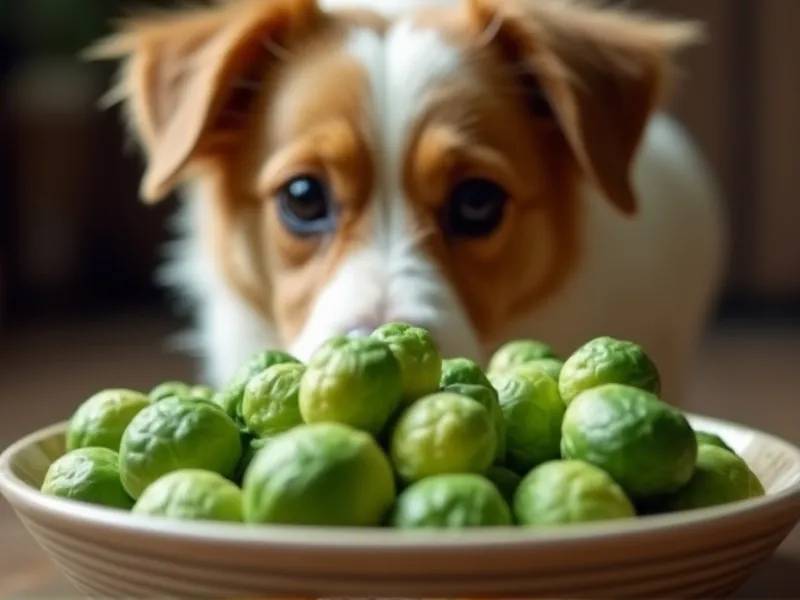
Table of Contents
- Can Dogs Eat Raw Brussels Sprouts? The Short Answer
- The Benefits of Brussels Sprouts for Dogs
- The Risks of Feeding Raw Brussels Sprouts to Dogs
- How Much Raw Brussels Sprouts Can Dogs Eat? Guidelines by Size
- Healthier Alternatives to Raw Brussels Sprouts
- FAQ: Common Questions About Dogs and Brussels Sprouts
- Conclusion: Moderation is Key
Can Dogs Eat Raw Brussels Sprouts? The Short Answer
Yes, dogs can eat raw Brussels sprouts—but only in small, occasional amounts.
Brussels sprouts aren’t toxic to dogs, and they do offer some nutritional benefits. However, raw Brussels sprouts come with risks, including choking hazards, digestive upset, and potential thyroid issues if overfed. Think of them as a treat, not a staple in your dog’s diet. For most pups, cooked Brussels sprouts (plain, no added seasonings) are safer and easier to digest than raw.
The Benefits of Brussels Sprouts for Dogs
Brussels sprouts are often called a “nutrient powerhouse” for humans, and they offer similar perks for dogs—when fed responsibly. Here’s why they might deserve a spot on your pup’s treat menu (in moderation!):
1. Rich in Vitamins: C, K, and More
- Vitamin C: Supports your dog’s immune system, helps produce collagen (for healthy skin, joints, and blood vessels), and acts as an antioxidant to fight free radicals. While dogs can make their own vitamin C, extra amounts (from whole foods like Brussels sprouts) can boost immunity, especially for senior dogs or those under stress.
- Vitamin K: Critical for blood clotting (to stop bleeding if injured) and bone health (aids in calcium absorption and bone mineralization). A deficiency can lead to excessive bleeding or weak bones.
- B Vitamins: Brussels sprouts contain folate (B9) and pyridoxine (B6), which support cell function, brain health, and energy metabolism.
2. Fiber for Digestive Health
Brussels sprouts are high in dietary fiber, which:
- Supports regular bowel movements: Prevents constipation by adding bulk to stool.
- Feeds “good” gut bacteria: Fiber acts as a prebiotic, nourishing the beneficial microbes in your dog’s gut (key for overall health!).
- Aids weight management: Fiber helps your dog feel full longer, reducing overeating—great for pups prone to begging or those on a weight-loss plan.
3. Potassium for Heart and Muscle Function
Potassium is an electrolyte that regulates fluid balance, muscle contractions (including the heart), and nerve signals. A potassium-rich diet (in moderation) can support your dog’s cardiovascular health and energy levels.
4. Antioxidants to Fight Inflammation
Brussels sprouts contain glucosinolates—natural compounds with antioxidant and anti-inflammatory properties. These may help reduce the risk of chronic diseases and support overall wellness, though research on their effects in dogs is limited (most studies focus on humans).
The Risks of Feeding Raw Brussels Sprouts to Dogs
While Brussels sprouts have benefits, raw ones pose unique risks that pet parents should watch for:
1. Choking Hazard
Raw Brussels sprouts are hard, round, and small—perfect for getting stuck in a dog’s throat, especially for small breeds (think Chihuahuas, Yorkies) or dogs who gulp their food without chewing. Even larger dogs can choke if they don’t break them down properly.
Fix: If you feed raw Brussels sprouts, chop them into tiny, bite-sized pieces (no bigger than a pea for small dogs) to reduce choking risk.
2. Digestive Upset: Gas, Bloating, and Diarrhea
Brussels sprouts are part of the cruciferous family (along with broccoli, cabbage, and kale), which contains raffinose—a sugar that dogs (and humans!) can’t fully digest. When raffinose ferments in the gut, it produces gas. For dogs, this can lead to:
- Uncomfortable bloating
- Excessive flatulence (stinky, but usually harmless)
- Diarrhea or vomiting (if they eat too many)
Raw Brussels sprouts are harder to digest than cooked ones, so they’re more likely to cause these issues.
3. Goitrogens: Potential Thyroid Concerns (in Large Amounts)
Cruciferous veggies, including Brussels sprouts, contain goitrogens—compounds that, in very large quantities, may interfere with thyroid function by blocking iodine absorption. Iodine is essential for the thyroid gland to produce hormones that regulate metabolism.
Good news: This is only a risk if your dog eats massive amounts of Brussels sprouts regularly. A few raw sprouts as a treat won’t harm most dogs. However, dogs with pre-existing thyroid conditions (like hypothyroidism) should avoid them altogether—check with your vet first.
4. Pesticide Residue
Raw Brussels sprouts (like all raw produce) may have pesticide residue on their outer leaves. Pesticides can irritate your dog’s stomach or, in extreme cases, cause toxicity.
Fix: Always wash Brussels sprouts thoroughly under running water before feeding. If possible, choose organic to reduce pesticide exposure.
The Risks of Feeding Raw Brussels Sprouts to Dogs
To recap, the main risks of raw Brussels sprouts for dogs are:
- Choking: Hard, round, and small—raw sprouts can get lodged in your dog’s throat.
- Digestive upset: Gas, bloating, diarrhea, or vomiting from undigested fiber and raffinose.
- Thyroid issues: Only with excessive, daily feeding (unlikely for most dogs, but still a consideration).
- Pesticide exposure: Always wash thoroughly!
How Much Raw Brussels Sprouts Can Dogs Eat? Guidelines by Size
The golden rule for dog treats: They should make up no more than 10% of your dog’s daily calories. For Brussels sprouts, that translates to very small portions. Here’s a rough guide based on your dog’s weight:
| Dog Size | Weight Range | Raw Brussels Sprouts (Chopped) | Frequency |
|---|---|---|---|
| Small | 5–20 lbs (e.g., Chihuahua, Pug) | 1–2 small sprouts (chopped into pea-sized pieces) | Once weekly |
| Medium | 20–50 lbs (e.g., Beagle, Cocker Spaniel) | 2–3 small sprouts (chopped) | Once weekly |
| Large | 50–100 lbs (e.g., Labrador, German Shepherd) | 3–4 small sprouts (chopped) | Once weekly |
| Giant | 100+ lbs (e.g., Great Dane, Mastiff) | 4–5 small sprouts (chopped) | Once weekly |
Pro tip: Start with even smaller portions (e.g., half a sprout for small dogs) to test your dog’s tolerance. Watch for signs of digestive upset (gas, diarrhea) for 24 hours after feeding. If they react, skip raw Brussels sprouts in the future.
Healthier Alternatives to Raw Brussels Sprouts
If raw Brussels sprouts seem risky, or if your dog doesn’t tolerate them, there are safer, more digestible veggie treats to try:
1. Cooked Brussels Sprouts (Best Alternative!)
Cooking softens Brussels sprouts, making them easier to chew and digest (and less likely to cause gas). Steam or boil them plain (no salt, butter, garlic, onion, or seasonings—these are toxic to dogs!). Mashed or chopped cooked sprouts are a great occasional treat.
2. Carrots
Crunchy, low-calorie, and packed with vitamin A (for eye health). Raw carrots are safe for most dogs (chop small for tiny breeds) and make a satisfying chew toy.
3. Green Beans
Fresh or cooked (no salt), green beans are high in fiber and low in calories. They’re gentle on tummies and a favorite for dogs watching their weight.
4. Cucumber
Hydrating, low-calorie, and crunchy—cucumber is a great summer treat. Remove seeds (they’re safe but can be messy) and chop into slices.
5. Zucchini
Mild-tasting and full of vitamins, zucchini can be fed raw (chopped) or cooked. It’s low in calories and easy to digest.
FAQ: Common Questions About Dogs and Brussels Sprouts
Q: Can puppies eat raw Brussels sprouts?
A: Puppies have sensitive digestive systems, so it’s best to avoid raw Brussels sprouts. Their tummies are still developing, and raw veggies may cause diarrhea or gas. Stick to puppy-safe treats like plain cooked pumpkin or small pieces of apple (no seeds!).
Q: My dog ate a whole bowl of raw Brussels sprouts—what should I do?
A: Don’t panic, but monitor them closely. Signs of trouble include vomiting, diarrhea, bloating, lethargy, or difficulty breathing (from choking or severe gas). If symptoms last more than 24 hours, or if your dog seems in pain, contact your vet immediately.
Q: Are Brussels sprouts better raw or cooked for dogs?
A: Cooked is better. Cooking breaks down tough fibers and raffinose, reducing gas and making nutrients easier to absorb. Steaming or boiling (no additives) is the safest method.
Q: Can dogs with diabetes eat Brussels sprouts?
A: Brussels sprouts have a low glycemic index (they don’t spike blood sugar), so they’re generally safe for dogs with diabetes in small amounts. But always ask your vet first—they’ll consider your dog’s specific condition and diet.
Q: Can Brussels sprouts cause allergies in dogs?
A: Food allergies in dogs are rare, and Brussels sprouts aren’t a common allergen. However, some dogs may have sensitivities. Watch for itching, swelling, or hives after feeding, and stop if you notice a reaction.
Conclusion: Moderation is Key
So, can dogs eat raw Brussels sprouts? Yes, but with caution. They’re a nutrient-dense treat, but raw sprouts carry risks like choking and digestive upset. For most dogs, cooked Brussels sprouts (plain!) are safer and more enjoyable.
Remember: Every dog is different. What works for one pup may upset another’s tummy. Start small, watch for reactions, and always consult your vet before adding new foods to your dog’s diet—especially if they have health issues.
At the end of the day, the best treats are ones that keep your dog happy, healthy, and wagging their tail. Whether it’s a tiny piece of cooked Brussels sprout or a crunchy carrot, the love you share (and the moderation you practice) is what matters most.
References: American Society for the Prevention of Cruelty to Animals (ASPCA), VCA Animal Hospitals, PetMD, and the American College of Veterinary Nutrition.