· 8 min read
Can Dogs Eat Broccoli? A Pet Parent’s Guide to Safe Snacking
You’re standing at the kitchen counter, chopping fresh broccoli for tonight’s stir-fry, when you feel a wet nose nudge your hand. Your dog, ever the opportunist, sits patiently, tail thumping, eyes locked on the bright green florets. “Just a little taste?” they seem to beg. Before you toss them a piece, you pause: Is broccoli safe for dogs?
If you’ve ever wondered whether this nutrient-packed veggie belongs in your pup’s bowl, you’re not alone. As pet parents, we want to share the best parts of our meals with our furry friends—but not all human foods are created equal. Let’s dive into the facts about broccoli and dogs: the benefits, the risks, and how to serve it safely.
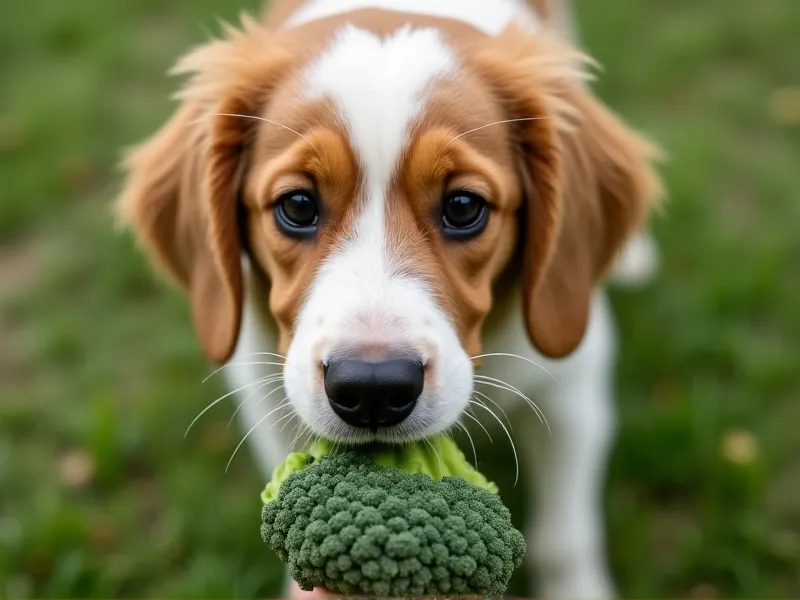
Table of Contents
- Introduction: Can Dogs Eat Broccoli? The Short Answer
- The Benefits of Broccoli for Dogs: Nutrients That Count
- The Risks of Feeding Broccoli to Dogs: What to Watch For
- How Much Broccoli Can Dogs Eat? A Safe Serving Guide
- Healthier Alternatives to Broccoli for Dogs
- Frequently Asked Questions (FAQ) About Dogs and Broccoli
- Conclusion: Broccoli as a Treat, Not a Staple
- References
Yes, dogs can eat broccoli—in moderation. When served properly (cooked, chopped, and in small amounts), broccoli can be a healthy, low-calorie treat for most dogs. It’s packed with vitamins, fiber, and antioxidants that support your pup’s overall health. However, like any human food, it comes with potential risks, including stomach upset and choking hazards, if not prepared or portioned correctly.
The key takeaway? Broccoli isn’t toxic to dogs, but it shouldn’t replace their balanced dog food. Think of it as an occasional “green treat” rather than a meal replacement.
The Benefits of Broccoli for Dogs: Nutrients That Count
Broccoli is often called a “superfood” for humans, and it offers some of the same perks for dogs. Let’s break down its nutritional highlights:
1. Vitamins for Vitality
Broccoli is rich in essential vitamins that support your dog’s health:
- Vitamin C: An antioxidant that boosts the immune system, helps fight inflammation, and supports collagen production (important for skin, joints, and blood vessels). Unlike humans, dogs can produce their own vitamin C, but extra from food can be beneficial, especially for senior dogs or those under stress.
- Vitamin K: Critical for blood clotting and bone health. A deficiency in vitamin K can lead to excessive bleeding, so this nutrient is key for injury recovery and overall bone strength.
- Vitamin A: Supports eye health, skin integrity, and immune function. It’s also essential for cell growth and reproduction.
2. Fiber for Digestive Health
Broccoli is a good source of dietary fiber, which helps regulate your dog’s digestive system. Fiber adds bulk to stool, preventing constipation, and feeds beneficial gut bacteria, supporting a healthy microbiome. For dogs prone to diarrhea, small amounts of fiber can also help firm up stool (though too much can have the opposite effect—more on that later!).
3. Potassium for Heart and Muscle Function
Potassium is an electrolyte that helps maintain healthy heart rhythm, muscle contraction, and fluid balance. It works with sodium to regulate blood pressure and is especially important for active dogs or those with kidney issues (always consult your vet first if your dog has kidney disease).
4. Antioxidants to Fight Free Radicals
Broccoli contains antioxidants like lutein and zeaxanthin, which protect cells from damage caused by free radicals. This may lower the risk of chronic diseases and support long-term health, especially in aging dogs.
The Risks of Feeding Broccoli to Dogs: What to Watch For
While broccoli has benefits, it’s not without risks—especially when fed in large quantities or improperly prepared. Here’s what to keep in mind:
1. Stomach Upset (Gas, Diarrhea, or Vomiting)
Broccoli is high in fiber, and too much can overwhelm your dog’s digestive system, leading to gas, bloating, diarrhea, or vomiting. This is especially true for dogs with sensitive stomachs or those unused to eating veggies. Raw broccoli is harder to digest than cooked, so cooking can reduce this risk (steaming is best—boiling may leach nutrients).
2. Choking Hazard
Broccoli florets are small and round, making them a potential choking risk for small dogs or dogs who gulp their food. Always chop florets into bite-sized pieces, and avoid feeding whole florets to tiny breeds like Chihuahuas or Yorkies.
3. Goitrogens: A Minor Concern (In Moderation)
Raw broccoli contains compounds called goitrogens, which can interfere with thyroid function by blocking iodine absorption. However, this is only a risk in very large quantities—think several cups of raw broccoli daily. For reference, a 2008 study in the Journal of the American Veterinary Medical Association found that dogs fed broccoli as 25% of their diet developed thyroid issues, but smaller amounts (less than 10% of calories) showed no negative effects [1]. Since most dogs will only eat a few florets as a treat, goitrogens are unlikely to be a problem.
4. Overcrowding Their Diet
Dogs need a balanced diet with the right mix of protein, fats, carbs, vitamins, and minerals—most of which should come from high-quality dog food. If you feed too much broccoli, it can replace essential nutrients from their regular meals, leading to imbalances over time.
How Much Broccoli Can Dogs Eat? A Safe Serving Guide
The golden rule for feeding dogs human food: treats (including veggies) should make up no more than 10% of their daily calorie intake. For broccoli, this translates to very small portions.
Here’s a general guideline based on your dog’s size:
- Small dogs (10–20 lbs): 1–2 small florets (chopped) once or twice a week.
- Medium dogs (30–50 lbs): 3–4 florets (chopped) once or twice a week.
- Large dogs (60+ lbs): 5–6 florets (chopped) once or twice a week.
Pro tip: Cook the broccoli first (steam or roast—no salt, oil, or seasonings!) to make it easier to digest and reduce choking risk. Avoid adding butter, garlic, or onions, which are toxic to dogs.
Healthier Alternatives to Broccoli for Dogs
If your dog doesn’t tolerate broccoli (or you’d prefer a lower-risk veggie), these alternatives are safe, nutritious, and often better tolerated:
1. Carrots
Carrots are low in calories, high in fiber, and packed with vitamin A. They’re crunchy, which helps clean teeth, and most dogs love them. Serve raw (chopped) or cooked—either way, they’re a great alternative to broccoli.
2. Green Beans
Green beans are another low-calorie, high-fiber option. They’re gentle on the stomach, unlikely to cause gas, and can even help dogs lose weight (since they add bulk without many calories). Serve steamed or raw (chopped) as a treat.
3. Sweet Potatoes
Sweet potatoes are rich in beta-carotene (which converts to vitamin A), fiber, and potassium. They’re soft when cooked, making them easy to digest, and dogs find them naturally sweet. Avoid raw sweet potatoes (hard to digest) and serve mashed or baked (no added sugar or butter).
4. Cucumber
Cucumber is 96% water, making it a hydrating, low-calorie snack—perfect for hot days! It’s low in fiber (so less gas risk) and high in vitamins K and C. Slice into rounds for a crunchy treat.
Frequently Asked Questions (FAQ) About Dogs and Broccoli
Q: Can dogs eat raw broccoli?
A: Technically, yes, but cooked is better. Raw broccoli is harder to digest and may cause more gas. Cooking (steaming) softens it, making it easier on their stomach and reducing the risk of choking.
Q: What about broccoli stems? Are they safe?
A: Broccoli stems are safe but tough and fibrous. Some dogs love chewing on them (great for dental health!), but others may find them unappealing. Chop stems into small pieces to avoid choking, and monitor your dog while they eat—hard stems can break teeth in aggressive chewers.
Q: Is broccoli good for puppies?
A: Puppies can have small amounts of cooked broccoli as an occasional treat, but their diet should focus on puppy-specific food to support growth. Puppies have sensitive stomachs, so start with tiny portions (1–2 chopped florets) and watch for digestive upset.
Q: My dog ate a whole bowl of broccoli—what should I do?
A: Don’t panic, but monitor them closely. They may experience gas, diarrhea, or vomiting. If symptoms are mild, offer plenty of water and withhold food for 12–24 hours (then reintroduce their regular food slowly). If they’re lethargic, vomiting repeatedly, or have blood in stool, contact your vet immediately.
Q: Can dogs with diabetes eat broccoli?
A: Broccoli is low in sugar and high in fiber, making it a good treat for dogs with diabetes (in moderation). However, always consult your vet before adding new foods to a diabetic dog’s diet, as portion control is critical.
Conclusion: Broccoli as a Treat, Not a Staple
So, can dogs eat broccoli? Yes—but think of it as a special green treat, not a daily snack. When cooked, chopped, and served in small amounts, broccoli can add vitamins, fiber, and antioxidants to your dog’s diet. But if your pup experiences gas or diarrhea, or if you’re unsure, stick to safer alternatives like carrots or green beans.
Every dog is different, so always consult your vet before introducing new foods—especially if your dog has health issues like thyroid problems, kidney disease, or a sensitive stomach. With a little moderation and common sense, you can share the occasional broccoli floret with your furry friend, knowing you’re keeping them happy and healthy.
References
- American Veterinary Medical Association (AVMA). “People Foods to Avoid Feeding Your Pets.” avma.org/resources/pet-owners/nutrition/people-foods-avoid-feeding-your-pets
- American Kennel Club (AKC). “Can Dogs Eat Broccoli?” akc.org/expert-advice/nutrition/can-dogs-eat-broccoli
- PetMD. “Broccoli for Dogs: Is It Safe?” petmd.com/dog/nutrition/can-dogs-eat-broccoli
- Journal of the American Veterinary Medical Association. “Effect of Broccoli on Thyroid Function in Dogs.” 2008. avmajournals.avma.org/doi/10.2460/javma.233.4.521