· 10 min read
Can Dogs Eat Broccoli Stalks? Benefits, Risks & Safe Serving Tips
Picture this: You’re prepping a healthy stir-fry, chopping fresh broccoli into florets, when your dog trots over, tail wagging. Their big, hopeful eyes lock onto the discarded broccoli stalk in your hand, and suddenly you’re hit with the question: Is this safe to share?
Broccoli is a staple in many human diets, lauded for its vitamins and fiber. But when it comes to our furry friends, not all human foods are created equal. If you’ve ever wondered whether broccoli stalks deserve a spot in your dog’s treat rotation, you’re not alone. In this post, we’ll break down the facts—from the potential benefits to the hidden risks—so you can make informed choices about feeding broccoli stalks to your pup.
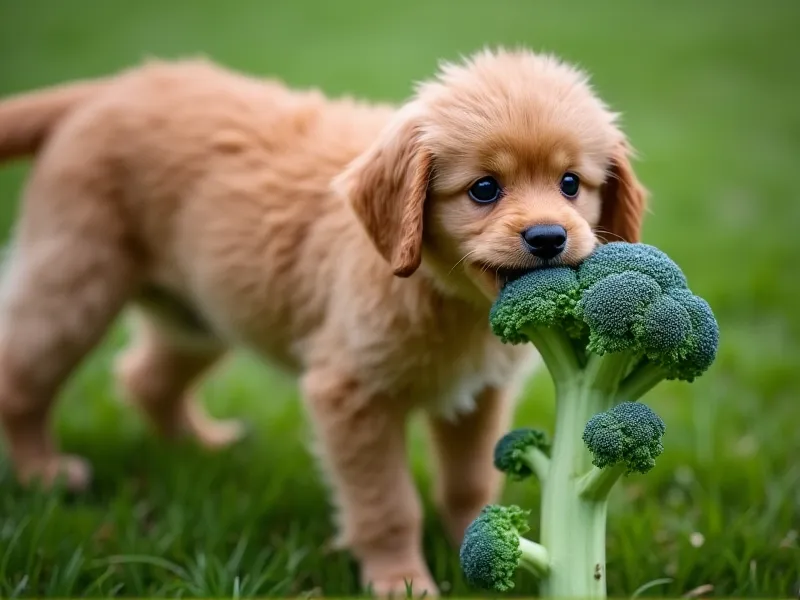
Table of Contents
- Can Dogs Eat Broccoli Stalks? The Short Answer
- The Benefits of Broccoli Stalks for Dogs
- Potential Risks of Broccoli Stalks for Dogs
- How Much Broccoli Stalk Can Dogs Safely Eat?
- Healthier Alternatives to Broccoli Stalks
- FAQ: Your Broccoli Stalk Questions Answered
- Conclusion
Can Dogs Eat Broccoli Stalks? The Short Answer
Yes, dogs can eat broccoli stalks—but only in moderation, and with important safety precautions.
Broccoli stalks aren’t toxic to dogs, and they offer some nutritional perks. However, they pose unique risks (like choking) that pet parents need to address. Think of broccoli stalks as a “sometimes” treat, not a daily snack. Always prioritize your dog’s size, age, and health when sharing human foods, and when in doubt, check with your vet.
The Benefits of Broccoli Stalks for Dogs
While broccoli stalks aren’t a substitute for a balanced dog food, they do pack a few nutrients that can support your pup’s health when fed correctly. Here’s what makes them worth considering:
1. Fiber: Supports Digestive Health
Broccoli stalks are rich in dietary fiber, which helps keep your dog’s digestive system running smoothly. Fiber adds bulk to stool, aids in regular bowel movements, and can even support healthy gut bacteria. For dogs prone to constipation, a small amount of chopped broccoli stalk (cooked, to avoid upset) might offer gentle relief—though always introduce new foods slowly!
2. Potassium: A Boost for Heart & Muscles
Potassium is an essential mineral that helps regulate your dog’s heart rate, muscle function, and fluid balance. Broccoli stalks contain a modest amount of potassium, which can complement the nutrients in your dog’s regular food to support overall cardiovascular health.
3. Vitamins & Antioxidants
Broccoli stalks are a source of vitamins C and K, plus antioxidants like lutein. Vitamin C supports immune function and collagen production (important for skin and joints), while vitamin K aids in blood clotting and bone health. Antioxidants help fight free radicals, which can contribute to aging and disease.
Source: The American Society for the Prevention of Cruelty to Animals (ASPCA) notes that broccoli is non-toxic to dogs and can be a healthy occasional treat when prepared properly [1].
Potential Risks of Broccoli Stalks for Dogs
While broccoli stalks have benefits, they also come with risks—some of which are serious. Here’s what to watch out for:
1. Choking Hazard: A Top Concern
Broccoli stalks are dense and can be tough, especially when raw. For small dogs, puppies, or dogs who gulp food without chewing, a large piece of stalk could get stuck in their throat, causing choking. Even medium or large dogs might struggle if the stalk isn’t chopped into bite-sized pieces.
Pro tip: Always chop broccoli stalks into small, manageable pieces (no larger than a pea for tiny dogs, or a dime for medium/large breeds) before serving. Cooking the stalk first can also soften it, reducing the choking risk.
2. Stomach Upset: Too Much Fiber = Unpleasant Side Effects
While fiber is good for digestion, too much fiber can backfire. Broccoli stalks are high in insoluble fiber, which, in excess, can lead to gas, bloating, diarrhea, or even vomiting. This is especially true for dogs with sensitive stomachs or those unused to high-fiber treats. Start with a tiny portion (like a single chopped piece) and monitor your dog for 24 hours before offering more.
3. Goitrogens: A Risk in Excess
Broccoli belongs to the brassica family (along with cabbage, kale, and Brussels sprouts), which contains compounds called goitrogens. In very large amounts, goitrogens can interfere with your dog’s thyroid gland by blocking iodine absorption, potentially leading to hypothyroidism.
The good news? This is rarely a problem with occasional, small servings of broccoli stalks. Most dogs would need to eat massive quantities (like several cups daily) to experience thyroid issues. Still, it’s a reminder to keep broccoli (and other brassicas) as a treat, not a staple.
Source: PetMD notes that while brassicas contain goitrogens, the risk is minimal when fed in moderation [2].
Potential Risks of Broccoli Stalks for Dogs
While broccoli stalks have benefits, they also come with risks—some of which are serious. Here’s what to watch out for:
1. Choking Hazard: A Top Concern
Broccoli stalks are dense and can be tough, especially when raw. For small dogs, puppies, or dogs who gulp food without chewing, a large piece of stalk could get stuck in their throat, causing choking. Even medium or large dogs might struggle if the stalk isn’t chopped into bite-sized pieces.
Pro tip: Always chop broccoli stalks into small, manageable pieces (no larger than a pea for tiny dogs, or a dime for medium/large breeds) before serving. Cooking the stalk first can also soften it, reducing the choking risk.
2. Stomach Upset: Too Much Fiber = Unpleasant Side Effects
While fiber is good for digestion, too much fiber can backfire. Broccoli stalks are high in insoluble fiber, which, in excess, can lead to gas, bloating, diarrhea, or even vomiting. This is especially true for dogs with sensitive stomachs or those unused to high-fiber treats. Start with a tiny portion (like a single chopped piece) and monitor your dog for 24 hours before offering more.
3. Goitrogens: A Risk in Excess
Broccoli belongs to the brassica family (along with cabbage, kale, and Brussels sprouts), which contains compounds called goitrogens. In very large amounts, goitrogens can interfere with your dog’s thyroid gland by blocking iodine absorption, potentially leading to hypothyroidism.
The good news? This is rarely a problem with occasional, small servings of broccoli stalks. Most dogs would need to eat massive quantities (like several cups daily) to experience thyroid issues. Still, it’s a reminder to keep broccoli (and other brassicas) as a treat, not a staple.
Source: PetMD notes that while brassicas contain goitrogens, the risk is minimal when fed in moderation [2].
How Much Broccoli Stalk Can Dogs Safely Eat?
The golden rule for feeding human foods to dogs is the 10% rule: Treats (including veggies like broccoli stalks) should make up no more than 10% of your dog’s daily calorie intake. The rest should come from a nutritionally complete dog food.
But what does “10%” look like for broccoli stalks? Since broccoli is low in calories (about 34 calories per cup, chopped), even a small portion goes a long way. Here’s a rough guide based on your dog’s size:
- Small dogs (under 20 lbs): 1–2 teaspoons of chopped, cooked broccoli stalk, 1–2 times per week.
- Medium dogs (20–50 lbs): 1–2 tablespoons of chopped, cooked broccoli stalk, 1–2 times per week.
- Large dogs (50+ lbs): 2–3 tablespoons of chopped, cooked broccoli stalk, 1–2 times per week.
Key Tips for Serving:
- Cook it first: Raw broccoli stalks are harder to digest and more likely to cause gas. Steaming or boiling (without salt, butter, or seasonings) softens the stalk, making it safer and easier on your dog’s stomach.
- Chop it tiny: Even cooked stalks can pose a choking risk if not chopped into small, bite-sized pieces. Aim for pieces no larger than your dog’s kibble.
- No extras: Never add salt, garlic, onion, or other seasonings—these can be toxic to dogs. Plain, cooked broccoli stalk is best.
Healthier Alternatives to Broccoli Stalks
If you’re concerned about the choking risk or your dog isn’t a fan of broccoli stalks, plenty of other veggies make safer, more palatable treats. Here are a few alternatives to try:
1. Carrots
Carrots are a classic dog favorite for a reason: They’re crunchy, low in calories, and packed with vitamin A (great for eye health). They’re also softer than broccoli stalks, making them a lower choking risk—even for small dogs. Raw or cooked, carrots are a win!
2. Green Beans
Green beans are another low-calorie, high-fiber option. They’re gentle on the stomach, easy to chop, and most dogs love their crisp texture. Serve them cooked (without salt) for a warm treat or raw as a crunchy snack.
3. Pumpkin (Plain, Canned)
Plain, unsweetened pumpkin is a fiber powerhouse and great for dogs with digestive issues (it can soothe both diarrhea and constipation). A spoonful mixed into your dog’s food or served alone is a tasty, safe treat.
4. Cucumber
Cucumber is hydrating, low in calories, and easy to digest. It’s a perfect summer snack for dogs who need a cool, crunchy treat—just slice into thin rounds and serve raw.
FAQ: Your Broccoli Stalk Questions Answered
Q: Can dogs eat raw broccoli stalks?
A: Technically, yes—but cooked is better. Raw stalks are harder to digest and more likely to cause gas or choking. Cooking softens the stalk, making it safer and easier on your dog’s stomach.
Q: My dog ate a whole uncooked broccoli stalk. Should I panic?
A: Stay calm, but monitor them closely. A whole stalk could pose a choking risk (especially for small dogs) or cause stomach upset (gas, diarrhea). If your dog is gagging, pawing at their mouth, or vomiting, contact your vet immediately. Otherwise, watch for signs of discomfort and skip their next meal to let their stomach settle.
Q: Are broccoli leaves or florets safer than stalks?
A: Florets are smaller and softer than stalks, so they’re a lower choking risk. Leaves are also safe, though they have a similar nutrient profile to stalks. No matter which part you feed, always chop and cook (if possible) to reduce risks.
Q: Can broccoli stalks help my dog lose weight?
A: Since broccoli is low in calories and high in fiber, it can be a good treat for overweight dogs (in moderation). The fiber helps them feel full without adding extra calories. Just be sure to adjust their regular food portion to account for the treat calories!
Q: Are there dogs who should never eat broccoli stalks?
A: Yes. Dogs with thyroid issues (hypothyroidism) should avoid brassicas like broccoli, as goitrogens could worsen their condition. Dogs with a history of choking or digestive sensitivities should also skip stalks. Always check with your vet first if your dog has health concerns.
Conclusion
Broccoli stalks can be a healthy, low-calorie treat for dogs—when fed safely and in moderation. They offer fiber, vitamins, and minerals that support digestion and overall health, but their tough texture and high fiber content mean they’re not risk-free.
Remember: Cook and chop stalks thoroughly, stick to small portions, and always monitor your dog for signs of choking or stomach upset. If you’re unsure whether broccoli stalks are right for your pup (especially if they have health issues), consult your vet.
At the end of the day, the best treats are the ones that keep your dog happy, healthy, and safe. So next time you’re chopping broccoli, feel free to share a tiny, cooked piece with your pup—just save the bulk of the stalk for your stir-fry!
References
[1] American Society for the Prevention of Cruelty to Animals (ASPCA). “People Foods to Avoid Feeding Your Pets.” aspca.org/pet-care/animal-poison-control/people-foods-avoid-feeding-your-pets
[2] PetMD. “Can Dogs Eat Broccoli?” petmd.com/dog/nutrition/can-dogs-eat-broccoli
[3] American Kennel Club (AKC). “Can Dogs Eat Broccoli?” akc.org/expert-advice/nutrition/can-dogs-eat-broccoli/