· 7 min read
Can Dogs Eat Cooked Broccoli? A Pet Parent’s Guide to Safe Snacking
Picture this: You’re standing at the stove, steam rising from a pot of bright green broccoli florets. Your dog, tail thumping against the cabinets, stares up at you with those irresistible “please share” eyes. You pause—is broccoli safe for dogs? After all, it’s packed with vitamins for humans, but what about your furry friend?
If you’ve ever wondered whether cooked broccoli deserves a spot in your dog’s treat rotation, you’re in the right place. In this guide, we’ll break down the benefits, risks, and best practices for feeding cooked broccoli to dogs, so you can keep those tail wags healthy and happy.
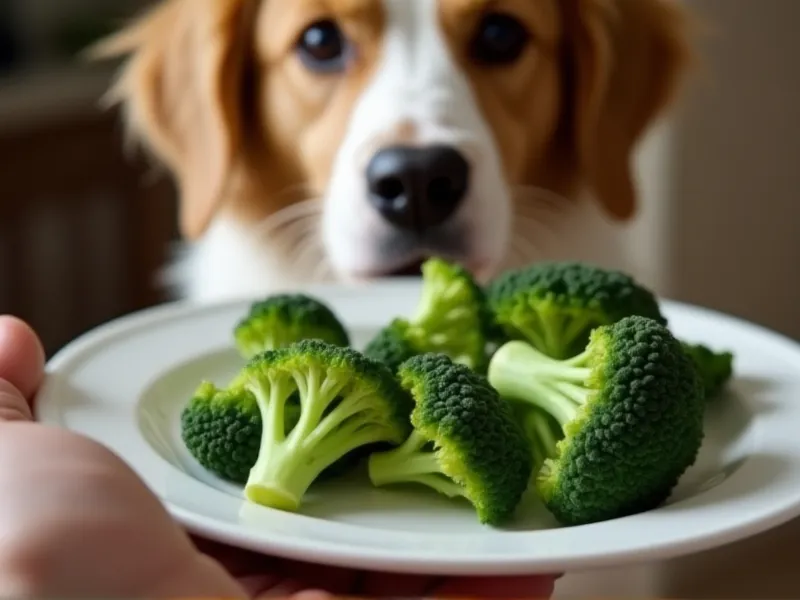
Table of Contents
- Can Dogs Eat Cooked Broccoli? The Short Answer
- The Benefits of Cooked Broccoli for Dogs
- Potential Risks to Watch For
- How Much Cooked Broccoli Can Dogs Safely Eat?
- Healthier Alternatives to Broccoli (If Needed)
- Frequently Asked Questions (FAQ)
- Conclusion: Broccoli as a Treat, Not a Staple
- References
Can Dogs Eat Cooked Broccoli? The Short Answer
Yes, dogs can eat cooked broccoli in moderation. According to the American Kennel Club (AKC), broccoli is non-toxic to dogs and can even offer some nutritional benefits when prepared correctly. However, it’s not a “free-for-all” snack—portion size, preparation, and your dog’s individual health matter.
Think of cooked broccoli as a “sometimes” treat, not a replacement for your dog’s balanced kibble or wet food. Just like humans, dogs thrive on a consistent diet tailored to their needs, but a few florets here and there can add variety (and vitamins!) to their day.
The Benefits of Cooked Broccoli for Dogs
Broccoli isn’t just a human superfood—it has perks for pups too! Let’s break down the key nutrients and how they support your dog’s health:
1. Vitamin C: Boosts Immunity
Broccoli is rich in vitamin C, an antioxidant that helps fight off free radicals and supports a healthy immune system. While dogs produce their own vitamin C, extra amounts (from natural sources like broccoli) can be beneficial, especially for senior dogs or those under stress.
2. Vitamin K: Supports Blood Clotting & Bone Health
Vitamin K is crucial for proper blood clotting (helping wounds heal) and maintaining strong bones. A deficiency in vitamin K can lead to excessive bleeding, so adding a little broccoli to your dog’s diet (in moderation) can help keep their levels in check.
3. Fiber: Aids Digestion
Fiber is key for a healthy gut, and broccoli delivers both soluble and insoluble fiber. Soluble fiber helps regulate blood sugar and cholesterol, while insoluble fiber adds bulk to stool, preventing constipation. Just be careful—too much fiber can cause digestive upset (more on that later!).
4. Potassium: Balances Fluids & Nerves
Potassium is an electrolyte that supports muscle function, nerve signaling, and fluid balance. It’s especially important for active dogs, as it helps prevent muscle cramps and keeps their heart rhythm steady.
5. Low in Calories & Fat
Compared to many commercial dog treats (which can be high in sugar or unhealthy fats), broccoli is a low-calorie option. A cup of cooked broccoli has only about 55 calories and 0.5 grams of fat, making it a great choice for dogs watching their weight.
Potential Risks to Watch For
While cooked broccoli has benefits, it’s not without risks—especially if fed incorrectly. Here’s what to keep in mind:
1. Stomach Upset: Gas, Diarrhea, or Bloating
Broccoli is high in fiber, and sudden increases in fiber can upset your dog’s stomach. Symptoms like gas, diarrhea, or bloating are common if your dog eats too much broccoli at once. This is especially true for dogs with sensitive tummies or those unused to high-fiber foods.
2. Choking Hazard: Large or Uncut Florets
Broccoli florets have a tough, woody stem and small, round florets that can pose a choking risk—especially for small dogs. Always chop broccoli into bite-sized pieces (about the size of a pea for tiny breeds!) and remove thick stems to prevent choking or intestinal blockages.
3. Goitrogens: A Concern in Very Large Amounts
Broccoli contains goitrogens, naturally occurring substances that can interfere with thyroid function by blocking iodine absorption—but only in extremely large quantities. The AKC notes that a dog would need to eat more than 10% of their daily calories in broccoli to face this risk. For context: A 50-pound dog would need to eat over 2 cups of cooked broccoli daily to hit that threshold.
In short: Occasional treats are safe, but don’t make broccoli a main part of their diet.
4. Seasonings: Avoid Added Salt, Butter, or Garlic
Never feed your dog broccoli cooked with salt, butter, garlic, onions, or other seasonings. Garlic and onions are toxic to dogs (they damage red blood cells), while salt can lead to sodium poisoning (symptoms: vomiting, diarrhea, seizures). Stick to plain, steamed, or boiled broccoli—no extras!
How Much Cooked Broccoli Can Dogs Safely Eat?
The golden rule for treats: They should make up no more than 10% of your dog’s daily calorie intake. For broccoli, that translates to very small portions. Here’s a quick guide based on your dog’s size:
- Small dogs (under 20 lbs): 1–2 chopped florets (about 1–2 tablespoons) per day.
- Medium dogs (20–50 lbs): 3–4 chopped florets (about 3–4 tablespoons) per day.
- Large dogs (50+ lbs): 5–6 chopped florets (about ½ cup) per day.
Pro tip: Introduce broccoli slowly. Start with 1–2 small pieces and watch for 24 hours. If your dog has no digestive issues (no gas, diarrhea, or vomiting), you can gradually increase the portion (within the limits above).
Healthier Alternatives to Broccoli (If Needed)
Not all dogs love broccoli, and some may have sensitivities. If your pup turns up their nose at florets (or you’re worried about fiber overload), try these safer, equally nutritious alternatives:
1. Carrots
Carrots are low in calories, high in beta-carotene (which converts to vitamin A), and great for dental health—chewing raw carrots helps scrape plaque off teeth! Cooked carrots are also easy to digest for dogs with sensitive stomachs.
2. Green Beans
Green beans are another low-calorie, high-fiber option. They’re gentle on the stomach and make a crunchy snack. Avoid canned green beans (high in salt); opt for fresh or frozen, steamed until tender.
3. Sweet Potato (Cooked)
Sweet potatoes are packed with vitamins A and C, fiber, and potassium. They’re easy to digest and loved by most dogs. Just cook them plain (no butter or sugar!) and mash or dice into small pieces.
4. Blueberries
For a sweet, antioxidant-rich treat, try blueberries. They’re low in calories, high in fiber, and safe for most dogs. Plus, they’re the perfect size for training rewards!
Frequently Asked Questions (FAQ)
Q: Can dogs eat raw broccoli?
A: Raw broccoli is safe, but cooked broccoli is easier to digest (especially for dogs with sensitive tummies). Raw florets can also be harder to chew and pose a higher choking risk. If feeding raw, grate or finely chop it to avoid blockages.
Q: My dog ate a whole head of broccoli—should I panic?
A: Probably not, but monitor them closely. A large amount may cause gas, diarrhea, or bloating. If your dog seems lethargic, vomits repeatedly, or can’t pass stool, contact your vet (these could be signs of an intestinal blockage).
Q: Is broccoli stem safe for dogs?
A: The stem is safe but tough and fibrous. It’s best to remove thick stems, as they can be a choking hazard or cause digestive upset. If you do feed the stem, chop it into tiny, bite-sized pieces.
Q: Can puppies eat cooked broccoli?
A: Yes, but in smaller portions than adult dogs. Puppies have sensitive digestive systems, so start with 1–2 tiny florets and see how they tolerate it. Always check with your vet before introducing new foods to puppies.
Conclusion: Broccoli as a Treat, Not a Staple
Cooked broccoli can be a healthy, low-calorie treat for your dog—rich in vitamins, fiber, and potassium—when fed in moderation. Just remember to:
- Chop it into small pieces to avoid choking.
- Skip the seasonings (plain, steamed, or boiled only!).
- Stick to 10% of their daily calories (tiny portions!).
Every dog is different, so if your pup has underlying health issues (like thyroid problems or digestive disorders), check with your vet before adding broccoli to their diet. When in doubt, err on the side of caution—your vet knows your dog’s needs best.
At the end of the day, the goal is to keep your furry friend happy and healthy. A few broccoli florets (and lots of love!) should do just that. 🐾
References
- American Kennel Club (AKC). “Can Dogs Eat Broccoli?” akc.org
- PetMD. “Human Foods Dogs Can and Can’t Eat.” petmd.com
- VCA Hospitals. “Vitamin K Deficiency in Dogs.” vcahospitals.com
- Cummings School of Veterinary Medicine at Tufts University. “Feeding Your Dog: Commercial vs. Homemade Diets.” tufts.edu