· 8 min read
Can Dogs Eat Brie Cheese Rind? What Pet Parents Need to Know
Picture this: You’re unwrapping a wheel of creamy brie, the kind that oozes slightly at room temperature, and setting it out on a cheese board for your weekend gathering. Your dog, ever the opportunist, trots over, tail thumping, and fixes you with those puppy-dog eyes that could melt even the sternest resolve. “Just a tiny taste?” you wonder. But then you pause—that rind. The fuzzy white layer that makes brie so iconic. Is it safe to share with your furry friend?
If you’ve found yourself asking, “Can dogs eat brie cheese rind?” you’re not alone. Cheese is a common treat many pet parents consider, but the rind adds a layer of complexity (and mold!) that raises red flags. Let’s dive into the details to help you make the best choice for your pup.
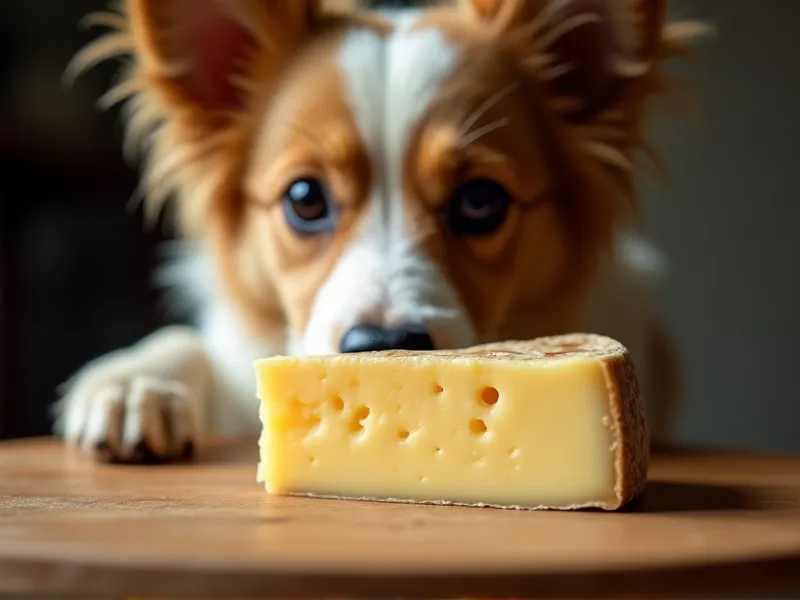
Table of Contents
- Can Dogs Eat Brie Cheese Rind? The Short Answer
- What Is Brie Cheese Rind, Anyway?
- Potential Benefits of Brie Cheese Rind for Dogs (Spoiler: They’re Minimal)
- Risks of Feeding Brie Cheese Rind to Dogs
- How Much Brie Cheese Rind Is Safe for Dogs?
- Healthier Alternatives to Brie Cheese Rind
- FAQ About Dogs and Brie Cheese Rind
- Conclusion: Prioritize Your Pup’s Health
Can Dogs Eat Brie Cheese Rind? The Short Answer
No, it’s not recommended. While a tiny crumb of brie rind might not immediately harm some dogs, the risks—from digestive upset to pancreatitis—often outweigh any potential benefits. Brie rind is high in fat, sodium, and contains mold, which can be problematic for dogs’ sensitive systems. When in doubt, skip the rind and opt for safer treats instead.
What Is Brie Cheese Rind, Anyway?
Before we weigh the pros and cons, let’s demystify that fuzzy outer layer. Brie cheese rind is the thin, white, velvety coating that forms on the outside of the cheese during fermentation. It’s made from a specific strain of mold called Penicillium candidum (or Penicillium camemberti for camembert, a close cousin). This mold is intentionally introduced during the cheese-making process to ripen the brie from the outside in, giving it that signature creamy texture and earthy flavor.
For humans, this mold is generally safe to eat (in fact, many people love the rind for its tangy, mushroom-like taste). But dogs? Their digestive systems are different. What’s harmless to us can sometimes spell trouble for our four-legged friends.
Potential Benefits of Brie Cheese Rind for Dogs (Spoiler: They’re Minimal)
You might be wondering, “If it’s made from mold, could there be any upsides?” Let’s break down the supposed “benefits” and see if they hold water:
Trace Nutrients: Not Enough to Matter
Brie cheese itself is high in protein and calcium, but the rind? It’s mostly mold and a thin layer of cheese. While some sources claim it contains trace amounts of fiber or potassium, these are negligible. Your dog would need to eat far more rind than is safe to get any meaningful nutrition—and by then, the risks would be sky-high.
“Probiotics”? Not Exactly
Mold is a type of fungus, not a probiotic (which are live bacteria, like those in yogurt). There’s no evidence that the mold in brie rind offers digestive benefits for dogs. In fact, it’s more likely to disrupt their gut balance than help it.
The bottom line: Any “benefits” of brie rind are so small they’re not worth chasing.
Risks of Feeding Brie Cheese Rind to Dogs
Now, let’s talk about the risks—because these are what really matter. Here’s why brie cheese rind is best kept off your dog’s menu:
1. Mold: A Potential Gut Irritant
The Penicillium mold in brie rind is generally considered safe for humans, but dogs have shorter digestive tracts and more sensitive stomachs. For some dogs, even a small amount of mold can trigger vomiting, diarrhea, or stomach pain. Worse, if the cheese is old or spoiled, other harmful molds (like Aspergillus) could grow alongside the intentional mold, producing mycotoxins that are toxic to dogs.
2. High Fat Content: A Pancreatitis Risk
Brie is a high-fat cheese, and the rind is no exception. Dogs can’t process large amounts of fat as efficiently as humans. Feeding fatty foods like brie rind can lead to pancreatitis—a painful, potentially life-threatening inflammation of the pancreas. Symptoms include vomiting, loss of appetite, and lethargy, and it often requires emergency vet care.
3. Sodium Overload
Cheese is also high in sodium, and brie is no different. Too much salt can cause dehydration, increased thirst, or even sodium ion poisoning in dogs (though this is rare with small amounts). Over time, excess sodium can strain your dog’s kidneys, leading to long-term health issues.
4. Choking Hazard
Brie rind is firmer than the creamy interior of the cheese, especially if the cheese is cold. For small dogs or dogs who gulp their food, a chunk of rind could get stuck in their throat, causing choking or blockages in the digestive tract.
5. Lactose Intolerance
Many dogs are lactose intolerant, meaning they lack the enzyme (lactase) needed to digest lactose, the sugar in milk. While brie has less lactose than, say, milk, it’s still dairy. Even without the rind, cheese can cause gas, bloating, or diarrhea in lactose-sensitive dogs. Adding the rind only ups the ante.
How Much Brie Cheese Rind Is Safe for Dogs?
If you’re thinking, “But my dog stole a tiny piece once and was fine!”—we hear you. Every dog is different, and some may tolerate a crumb or two without issue. But “not immediately toxic” doesn’t equal “safe.”
The truth: There’s no “safe” amount of brie cheese rind to feed your dog regularly. Even small, occasional servings can add up over time, increasing the risk of pancreatitis, obesity, or digestive upset. For small breeds, seniors, or dogs with health conditions (like kidney disease or pancreatitis), even a tiny bite could be dangerous.
If your dog accidentally snags a small piece (think: the size of a pea), monitor them for 24 hours. Watch for vomiting, diarrhea, lethargy, or loss of appetite. If any of these occur, call your vet.
Healthier Alternatives to Brie Cheese Rind
Just because brie rind is off the table doesn’t mean your dog can’t enjoy a cheesy (or cheesy-adjacent) treat! Here are safer, more nutritious options:
1. Low-Fat Cottage Cheese
Cottage cheese is low in fat, high in protein, and easier to digest than most cheeses (thanks to its low lactose content). It’s a great source of calcium, too! Serve a spoonful plain (no added salt or flavorings) as an occasional treat.
2. Plain Greek Yogurt
Opt for unsweetened, plain Greek yogurt (look for “lactose-free” if your dog is sensitive). It’s packed with probiotics to support gut health and protein to keep muscles strong. Freeze a dollop for a cool summer snack!
3. Small Pieces of Hard Cheese (In Moderation)
If your dog loves cheese, stick to low-fat, low-sodium options like mozzarella or cheddar. Offer only a tiny piece (the size of your thumbnail) as a rare treat, and avoid soft cheeses like brie or blue cheese entirely.
4. Veggie “Cheese” Treats
For a crunchy, low-calorie alternative, try veggies like carrots, green beans, or cucumber slices. They’re high in fiber, vitamins, and water—perfect for keeping your dog full and hydrated.
5. Commercial Dog Treats
Look for high-quality dog treats made with real ingredients (like chicken, sweet potato, or pumpkin). These are formulated to meet your dog’s nutritional needs and are free of risky additives.
FAQ About Dogs and Brie Cheese Rind
Got more questions? We’ve got answers.
Q: Is brie rind more dangerous than other cheese rinds?
A: Brie rind is similar to other soft cheese rinds (like camembert or boursin) in that it’s high in fat, moldy, and poses similar risks. Hard cheese rinds (like Parmesan) are often saltier and harder, making them a choking hazard, so they’re not safer either.
Q: My dog ate a whole piece of brie rind! What should I do?
A: Don’t panic, but call your vet immediately. A large chunk could cause choking, blockages, or severe pancreatitis. Your vet may recommend inducing vomiting (if done quickly) or monitoring for symptoms like abdominal pain or lethargy.
Q: Can dogs eat the inside of brie (without the rind)?
A: The creamy interior is still high in fat and sodium, so it’s not recommended as a regular treat. A tiny bite (the size of a pencil eraser) might be okay for healthy, large dogs occasionally, but it’s better to stick to lower-fat options.
Q: Are there any cheeses that are safe for dogs?
A: In very small amounts, low-fat, low-sodium cheeses like mozzarella or cottage cheese can be safe for most dogs. Always check with your vet first, especially if your dog has health issues.
Conclusion: Prioritize Your Pup’s Health
At the end of the day, sharing food with our dogs is a way to show love—but love means keeping them safe. Brie cheese rind may seem harmless, but its high fat, mold, and sodium content make it a risky choice for our furry friends.
When in doubt, opt for treats that are designed with dogs’ health in mind—like low-fat cottage cheese, veggies, or commercial dog treats. And if you ever have questions about a specific food, don’t hesitate to call your vet. They know your dog’s unique needs best.
Your pup will forgive you for skipping the brie rind—especially if you replace it with a belly rub and a safer, tastier snack. After all, their health (and those tail wags) are what matter most.
References
- American Kennel Club (AKC). “Human Foods Dogs Can and Can’t Eat.” akc.org
- PetMD. “Pancreatitis in Dogs: Symptoms, Causes, and Treatment.” petmd.com
- VCA Hospitals. “Dairy Products and Dogs.” vcahospitals.com
- ASPCA Pet Poison Helpline. “Common Foods Poisonous to Pets.” aspca.org