· 9 min read
Can Dogs Eat Brie Cheese? A Pet Parent’s Guide to Risks, Benefits, and Safer Snacks
It’s a lazy Saturday morning, and you’re savoring a warm croissant slathered with creamy brie cheese. Across the room, your dog—let’s call her Bella—sits, tail thumping, nose twitching like a metronome. Those big, soulful eyes lock onto your snack, and suddenly, you’re hit with the universal pet parent dilemma: “Can I share this with her?”
Brie is a beloved cheese, prized for its buttery texture and earthy flavor. But when it comes to our furry friends, not all human foods are created equal. As pet parents, we want to spoil our pups, but we also need to keep them safe. So, can dogs eat brie cheese? Is it a harmless treat or a hidden hazard?
In this guide, we’ll break down the facts: the potential benefits (yes, there are a few!), the very real risks, how much (if any) is safe, and healthier alternatives to satisfy your dog’s cheesy cravings. Let’s dive in.
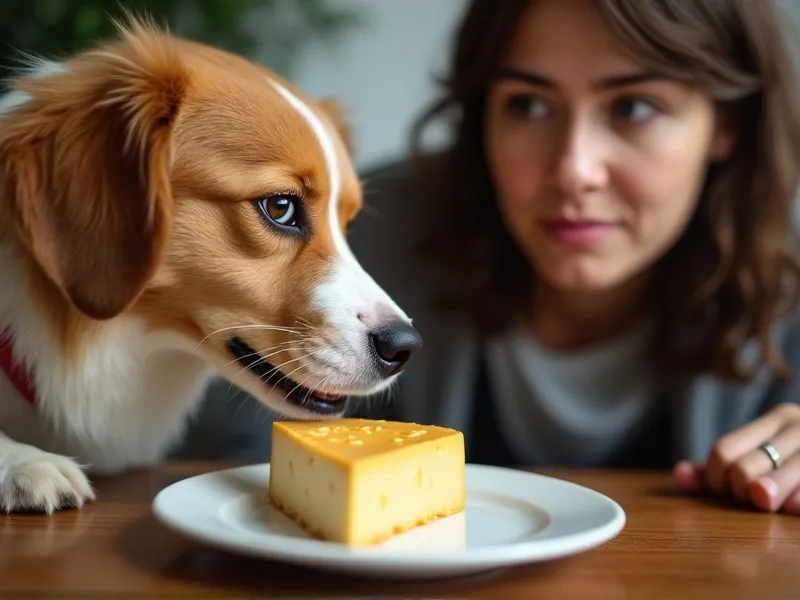
Table of Contents
- The Short Answer: Can Dogs Eat Brie Cheese?
- Potential Benefits of Brie Cheese for Dogs (Spoiler: They’re Minimal)
- The Risks: Why Brie Isn’t Ideal for Dogs
- How Much Brie Cheese Is Safe for Dogs? (If Any)
- Healthier Alternatives to Brie Cheese for Dogs
- FAQ: Your Brie-and-Dog Questions, Answered
- Conclusion: Prioritize Safety, Spoil Responsibly
- References
The Short Answer: Can Dogs Eat Brie Cheese?
No, brie cheese is not recommended for dogs—even in small amounts.
While brie isn’t toxic to dogs (unlike chocolate or grapes), its high fat, lactose, and sodium content make it a risky choice. For most dogs, the potential downsides (like upset tummies or pancreatitis) far outweigh any minor benefits. Think of it like junk food for dogs: tasty, but not worth the consequences.
Potential Benefits of Brie Cheese for Dogs (Spoiler: They’re Minimal)
Let’s start with the good news—though it’s slim. Brie does contain some nutrients that are theoretically beneficial for dogs. But here’s the catch: these nutrients are already abundant in high-quality dog food, so brie isn’t a necessary addition to their diet.
1. Protein
Brie is made from cow’s milk, which means it contains protein—an essential nutrient for muscle growth, repair, and energy. A 1-ounce serving of brie has about 5 grams of protein. However, your dog’s regular kibble or wet food is formulated to deliver the exact amount of protein they need (usually 18-26% for adult dogs), so brie is just extra calories here.
2. Calcium
Calcium is critical for strong bones and teeth, and brie has a small amount (about 50mg per ounce). But again, commercial dog foods are fortified with calcium (and phosphorus, which balances it), so adding brie won’t “boost” their intake in a meaningful way.
3. B Vitamins
Brie contains B vitamins like B12 and riboflavin, which support energy metabolism and brain health. But once more: your dog’s diet already includes these vitamins. Brie is a “nice-to-have,” not a “need-to-have.”
The bottom line: Any “benefits” of brie are negligible. Your dog gets all the nutrients they need from their regular food. Brie is a treat, not a supplement—and a risky one at that.
The Risks: Why Brie Isn’t Ideal for Dogs
Now, let’s talk about the downsides. Brie’s rich, creamy profile comes with some serious risks for dogs, especially in large quantities. Here’s what you need to watch out for:
1. High Fat Content: A Pancreatitis Risk
Brie is high in fat—about 8 grams of fat per 1-ounce serving (that’s roughly 15% of an adult dog’s daily fat intake in just one bite!). Dogs have sensitive pancreases, and a sudden influx of fat can trigger pancreatitis—a painful, potentially life-threatening condition where the pancreas becomes inflamed.
Symptoms of pancreatitis include:
- Vomiting (sometimes with bile)
- Lethargy or weakness
- Loss of appetite
- Abdominal pain (your dog may hunch over or avoid being touched)
- Diarrhea
Pancreatitis requires immediate veterinary care. Even mild cases can lead to long-term health issues, so it’s not worth the risk.
2. Lactose Intolerance: Stomach Upset Ahead
Most dogs are lactose intolerant. Unlike humans, dogs’ bodies stop producing large amounts of lactase (the enzyme that breaks down lactose, the sugar in milk) after weaning. This means dairy products like brie can cause:
- Gas
- Bloating
- Diarrhea
- Stomach cramps
Soft cheeses like brie have more lactose than hard cheeses (e.g., cheddar), so they’re more likely to trigger these symptoms. Even if your dog seems “fine” with a small bite, repeated exposure can lead to chronic digestive discomfort.
3. Sodium Overload
Brie is also high in sodium—about 170mg per ounce. Dogs need sodium to balance fluids and nerves, but too much can cause:
- Thirst and excessive urination
- High blood pressure
- Kidney strain (over time)
A single ounce of brie contains roughly 10% of an average dog’s daily sodium needs. If your dog already eats a commercial diet (which is formulated with sodium), adding brie can push them over the edge.
4. The Rind: A Choking or Blockage Hazard
The white, fuzzy rind on brie is part of its charm for humans, but it’s a no-go for dogs. Made from mold (Penicillium camemberti), the rind is tough, chewy, and hard to digest. It can:
- Get stuck in your dog’s throat (choking hazard)
- Cause an intestinal blockage (if swallowed in large pieces)
Even if your dog chews it up, the rind may irritate their digestive tract, leading to vomiting or constipation. Always remove the rind before considering (though we still don’t recommend it!).
5. Mold: Not All Fungi Are Friendly
While the mold in brie is not the same as toxic mold (like the kind that grows on old bread), it’s still a fungus. Dogs have sensitive immune systems, and large amounts of mold can upset their stomachs. Some dogs may even have an allergic reaction, leading to itching, swelling, or hives.
How Much Brie Cheese Is Safe for Dogs? (If Any)
Let’s say you’re still tempted to share a tiny bite (we get it—those puppy eyes are powerful!). If you must offer brie, follow these strict guidelines:
🔒 Only as an occasional, tiny treat
- Small dogs (under 20 lbs): A piece the size of a pencil eraser (no more than once a month).
- Medium dogs (20-50 lbs): A piece the size of a thumbnail (once every 2-3 weeks).
- Large dogs (50+ lbs): A piece the size of a dime (once a month).
🔒 Remove the rind
Always cut off the fuzzy outer layer to avoid choking or blockages.
🔒 Monitor for reactions
Watch for 24 hours after feeding. If you see vomiting, diarrhea, or lethargy, contact your vet.
🔒 Skip it if…
Your dog has a history of pancreatitis, obesity, lactose intolerance, or kidney issues. These conditions make brie exponentially riskier.
But honestly? It’s safer to skip brie altogether. There are plenty of treats that are just as tasty (to dogs!) and far healthier.
Healthier Alternatives to Brie Cheese for Dogs
If your dog loves cheesy flavors, try these safer, nutrient-dense alternatives:
1. Cottage Cheese (Low-Fat, Low-Lactose)
Cottage cheese is a dog-approved favorite! It’s low in lactose (the curdling process removes most of it), high in protein (11g per ½ cup), and low in fat (if you choose low-fat or non-fat versions). Serve a spoonful as a treat or mix it into their kibble for extra flavor.
Bonus: It’s gentle on sensitive tummies and a great source of calcium.
2. Mozzarella (Low-Fat, Mild)
Mozzarella is lower in fat (6g per ounce) and sodium (175mg per ounce) than brie, making it a better occasional treat. Stick to low-moisture, part-skim mozzarella, and offer a tiny cube (think: the size of a pea for small dogs) once a week.
3. Green Beans (Crunchy, Low-Calorie)
For a non-dairy option, green beans are a winner! Crunchy, low in calories (only 31 calories per cup), and high in fiber, they’re perfect for dogs watching their weight. Steam or serve raw (chopped into bite-sized pieces) as a snack. Most dogs go crazy for them!
4. Carrots (Sweet, Nutritious)
Carrots are another veggie star. They’re high in beta-carotene (which converts to vitamin A, great for vision) and low in calories. Slice them into sticks for a chewy treat—plus, they help clean your dog’s teeth!
5. Plain Greek Yogurt (Probiotic-Packed)
Unsweetened, plain Greek yogurt is lower in lactose than regular yogurt and packed with probiotics (good bacteria for gut health). Offer a teaspoon (for small dogs) or tablespoon (for large dogs) as a cool treat on hot days. Avoid flavored versions (added sugar is bad for dogs!).
FAQ: Your Brie-and-Dog Questions, Answered
Q: Can dogs eat brie rind?
A: No. The rind is tough, hard to digest, and a choking hazard. Even if your dog swallows it, it could cause an intestinal blockage. Always remove the rind before (if!) offering brie.
Q: My dog stole a whole slice of brie! What should I do?
A: Stay calm, but monitor closely. If it was a small slice (1-2 ounces) and your dog is healthy, they may just have an upset stomach (diarrhea, gas). But if they ate more than that, or if they’re a small dog, elderly, or have pancreatitis, contact your vet immediately. Symptoms of pancreatitis (vomiting, lethargy) can take 12-24 hours to appear, so don’t wait for signs—err on the side of caution.
Q: Is brie safer than other soft cheeses, like camembert or goat cheese?
A: No. Most soft cheeses are high in fat, lactose, and sodium, making them equally risky. Camembert has even more fat than brie (9g per ounce!), and goat cheese is high in sodium. Stick to the alternatives listed above.
Q: My dog loves cheese—how often can I give them dairy treats?
A: No more than once a week, and in tiny amounts. Even “safe” dairy like cottage cheese should be an occasional treat, not a daily addition. Remember: Your dog’s main diet should be balanced dog food—treats should make up no more than 10% of their calories.
Conclusion: Prioritize Safety, Spoil Responsibly
At the end of the day, sharing a snack with your dog is about connection—but their health always comes first. Brie cheese, while not toxic, is high in fat, lactose, and sodium, making it a risky choice for most dogs. The potential for pancreatitis, stomach upset, or worse just isn’t worth that moment of tail-wagging joy.
Instead, opt for safer treats like cottage cheese, green beans, or carrots. Your dog will love the attention (and the snack!), and you’ll have peace of mind knowing you’re keeping them healthy.
As always, if you’re unsure about a new food, check with your vet. They know your dog’s unique health history and can help you make the best choices.
Here’s to many happy, healthy snack times with your furry best friend—minus the brie!
References
- American Kennel Club (AKC). “Can Dogs Eat Cheese?” akc.org/expert-advice/food-and-nutrition/can-dogs-eat-cheese
- ASPCA. “People Foods to Avoid Feeding Your Pets.” aspca.org/pet-care/animal-poison-control/people-foods-avoid-feeding-your-pets
- PetMD. “Lactose Intolerance in Dogs.” petmd.com/dog/nutrition/lactose-intolerance-dogs
- VCA Hospitals. “Pancreatitis in Dogs.” vcahospitals.com/know-your-pet/pancreatitis-in-dogs
- The Humane Society of the United States (HSUS). “Treats for Your Dog.” humanesociety.org/resources/treats-your-dog