· 8 min read
Can Dogs Eat Breaded Shrimp? A Pet Parent’s Guide to Safe Snacking
It’s a Friday night, and you’re settled in with a plate of golden, crispy breaded shrimp—crunchy on the outside, tender on the inside. Across the room, your dog, Max, is giving you that look: ears perked, tail thumping, nose twitching as the scent of seafood wafts over. You pause, fork halfway to your mouth. “Just one bite?” you wonder. “Surely a tiny piece won’t hurt…”
If this scenario sounds familiar, you’re not alone. Many pet parents find themselves asking: Can dogs eat breaded shrimp? After all, shrimp is a popular human snack, and sharing food with our furry friends feels like a loving gesture. But before you toss Max a crispy morsel, it’s important to understand the potential risks and benefits.
In this guide, we’ll break down whether breaded shrimp is safe for dogs, explore its nutritional pros and cons, and share tips to keep your pup healthy if you decide to indulge them. Let’s dive in!
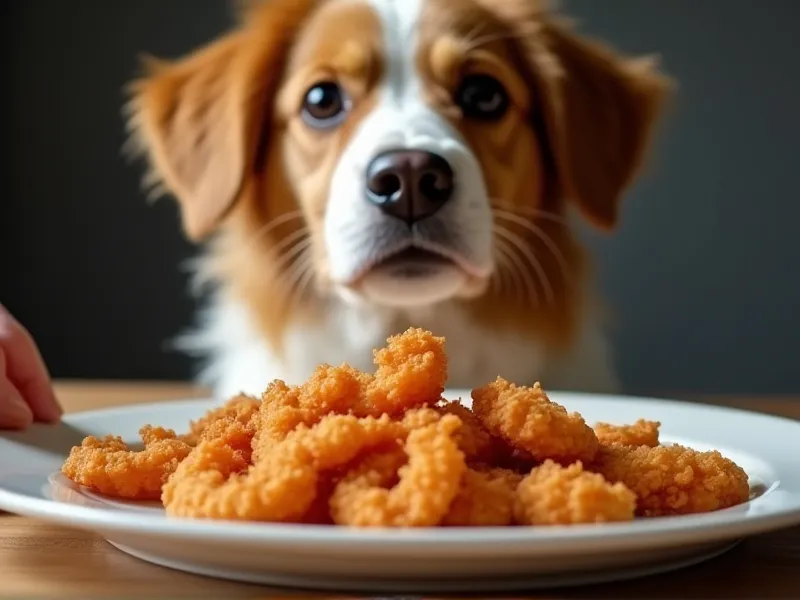
Table of Contents
- The Short Answer: Can Dogs Eat Breaded Shrimp?
- What Is Breaded Shrimp, Anyway?
- Potential Benefits of Shrimp for Dogs (Yes, Shrimp Itself!)
- The Risks of Breaded Shrimp for Dogs: Why the Breading Matters
- Guidelines: How Much Breaded Shrimp Is Safe for Dogs?
- Healthier Alternatives to Breaded Shrimp for Dogs
- FAQ: Your Breaded Shrimp Questions Answered
- Conclusion: Moderation and Common Sense
- References
The Short Answer: Can Dogs Eat Breaded Shrimp?
Yes, but with major caveats. Plain, cooked shrimp (without breading, oil, or seasoning) can be a safe, occasional treat for dogs. It’s low in fat, high in protein, and packed with nutrients like selenium and omega-3 fatty acids. However, breaded shrimp is a different story. The breading, cooking oil, and added ingredients (like salt, garlic, or spices) can turn this seafood snack into a potential health hazard for your pup.
In short: Breaded shrimp isn’t toxic, but it’s far from ideal. If you want to share shrimp with your dog, skip the breading and opt for plain, unseasoned, cooked shrimp instead.
What Is Breaded Shrimp, Anyway?
Before we dive into the details, let’s clarify what we’re talking about. Breaded shrimp is typically made by coating raw shrimp in a mixture of flour, breadcrumbs (or panko), and sometimes eggs, then frying or baking it until crispy. It’s often seasoned with salt, pepper, garlic powder, paprika, or other spices to enhance flavor.
While shrimp itself is a lean, nutrient-dense protein, the breading adds layers of calories, carbs, and potentially harmful ingredients. Let’s break down the good, the bad, and the ugly.
Potential Benefits of Shrimp for Dogs: Yes, Shrimp Itself!
Shrimp is a nutritional powerhouse for humans, and the same goes for dogs—when prepared properly. Here’s why plain, unbreaded shrimp can be a healthy occasional treat:
1. High-Quality Protein
Shrimp is rich in lean protein, which supports muscle growth, repair, and overall energy levels. Protein is essential for dogs of all ages, from playful puppies to senior pups.
2. Essential Nutrients
Shrimp is packed with key vitamins and minerals:
- Selenium: An antioxidant that supports thyroid function and boosts the immune system.
- Vitamin B12: Important for nerve function and red blood cell production.
- Phosphorus: Aids in bone and teeth health, working alongside calcium.
- Omega-3 Fatty Acids: These healthy fats support skin, coat, and joint health, and may reduce inflammation.
3. Low in Calories and Fat
Compared to other proteins like beef or chicken, shrimp is low in calories and fat (as long as it’s not fried). This makes it a good option for dogs watching their weight—again, without the breading.
The Risks of Breaded Shrimp for Dogs: Why the Breading Matters
Now, let’s talk about the problematic part: the breading. Here’s why breaded shrimp is a risky choice for your pup:
1. Empty Calories and Weight Gain
Breadcrumbs (whether white or whole-grain) are high in carbohydrates, which offer little nutritional value for dogs. Dogs are primarily carnivores, and their bodies aren’t designed to process large amounts of carbs. Excess carbs can lead to weight gain, obesity, and even diabetes over time.
2. Fried Oil: A Recipe for Pancreatitis
Most breaded shrimp is fried in oil (like vegetable oil, canola oil, or butter). Fried foods are high in fat, and too much fat can trigger pancreatitis in dogs—a painful, potentially life-threatening condition where the pancreas becomes inflamed. Symptoms include vomiting, diarrhea, loss of appetite, and abdominal pain.
Even baked breaded shrimp can be problematic: while it’s lower in fat than fried, the breading still adds unnecessary calories, and some recipes use oil or butter to make the breading stick.
3. Sodium Overload
Salt is a common ingredient in breaded shrimp (both in the breading and as a seasoning). Dogs need very little sodium in their diet—too much can lead to salt toxicity, which causes symptoms like excessive thirst, urination, vomiting, diarrhea, tremors, or even seizures.
The ASPCA notes that just 1.5 grams of salt per pound of body weight can be toxic to dogs. A single piece of breaded shrimp may not hit that threshold, but frequent treats or large portions could add up.
4. Choking Hazards
Shrimp tails are a major choking risk for dogs, especially small breeds. Even if the tail is removed, the crispy breading can break off into hard, dry chunks that get stuck in your dog’s throat or digestive tract.
5. Harmful Seasonings
Many breaded shrimp recipes include garlic, onion, or chives—all of which are toxic to dogs. These ingredients can damage red blood cells, leading to anemia. Even small amounts of garlic powder (often found in pre-made breadcrumb mixes) can be harmful over time.
Guidelines: How Much Breaded Shrimp Is Safe for Dogs?
If you must share a tiny piece of breaded shrimp with your dog (we get it—those puppy eyes are hard to resist!), follow these strict guidelines to minimize risk:
1. Remove the Tail First
Always remove the shrimp tail. It’s sharp, indigestible, and a major choking hazard.
2. Skip the Seasonings
Avoid shrimp seasoned with salt, garlic, onion, or spices. Even “mild” seasonings can upset your dog’s stomach.
3. Opt for Baked Over Fried
If you’re making breaded shrimp at home, bake it instead of frying to reduce fat content. But remember: baked breading still adds carbs and calories.
4. Keep Portions Tiny
A good rule of thumb: 1-2 small, breaded shrimp per 20 pounds of body weight, no more than once a month. For example:
- Small dogs (e.g., Chihuahuas, Yorkies): 1 tiny shrimp (without tail) as an occasional treat.
- Medium dogs (e.g., Beagles, Cocker Spaniels): 1-2 shrimp.
- Large dogs (e.g., Labs, Golden Retrievers): 2-3 shrimp.
Note: This is a maximum—ideally, avoid breaded shrimp altogether.
5. Monitor for Reactions
After giving your dog breaded shrimp, watch for signs of upset: vomiting, diarrhea, lethargy, or loss of appetite. If you notice any of these, contact your vet.
Healthier Alternatives to Breaded Shrimp for Dogs
If you want to treat your pup to shrimp, skip the breading! Here are safer, more nutritious options:
1. Plain, Cooked Shrimp
The best alternative is plain, unseasoned, boiled, or steamed shrimp. Remove the tail, peel the shell, and chop into small pieces. It’s a low-calorie, high-protein snack that dogs love.
2. Grilled Shrimp (No Oil or Seasoning)
Grill shrimp without butter, oil, or spices for a smoky flavor your dog will enjoy. Just make sure it’s fully cooked (no pink or translucent parts) to avoid foodborne illness.
3. Frozen Cooked Shrimp (Unsalted)
Keep frozen, pre-cooked, unsalted shrimp on hand for quick treats. Thaw a few, chop them up, and mix into your dog’s regular food or serve as a standalone snack.
4. Other Seafood Treats
If your dog loves seafood, try these alternatives:
- Salmon: Rich in omega-3s (cooked, unseasoned, no bones).
- Cod: Lean, low-fat protein (cooked, unseasoned).
- Scallops: Small, tender, and high in protein (cooked, plain).
FAQ: Your Breaded Shrimp Questions Answered
Q: Can puppies eat breaded shrimp?
A: It’s best to avoid. Puppies have sensitive digestive systems, and the fat, salt, and carbs in breaded shrimp can cause stomach upset. Stick to plain, cooked shrimp (in tiny portions) if you want to share.
Q: My dog ate a whole plate of breaded shrimp! What should I do?
A: Stay calm, but contact your vet immediately. A large amount of breaded shrimp could cause pancreatitis, salt toxicity, or choking. Your vet may recommend inducing vomiting or monitoring for symptoms like vomiting, diarrhea, or lethargy.
Q: Is breaded shrimp better than fried chicken for dogs?
A: Neither is ideal, but breaded shrimp is often lower in fat than fried chicken. Still, both are high in carbs, salt, and unhealthy fats—better to skip both and opt for plain proteins instead.
Q: Can dogs be allergic to shrimp?
A: Yes, though seafood allergies in dogs are rare. Signs of an allergic reaction include itching, hives, swelling, or difficulty breathing. If you notice these, stop feeding shrimp and consult your vet.
Q: Is canned shrimp safe for dogs?
A: Only if it’s unsalted and packed in water (not oil or brine). Canned shrimp can be high in sodium, so check the label carefully. Drain and rinse to remove excess salt before serving.
Conclusion: Moderation and Common Sense
At the end of the day, breaded shrimp isn’t a toxic food for dogs, but it’s far from a healthy choice. The breading, oil, and seasonings add unnecessary calories, fat, and risk—while the shrimp itself offers minimal benefits when prepared this way.
If you want to share shrimp with your pup, stick to plain, unseasoned, cooked shrimp in small, occasional portions. And when in doubt, consult your vet—they know your dog’s unique health needs best.
After all, our furry friends deserve treats that keep them happy and healthy. So next time you’re enjoying breaded shrimp, save the crispy bits for yourself and pass your pup a plain, peeled shrimp instead. They’ll wag their tail just as hard—we promise!
References
- American Kennel Club (AKC). “Can Dogs Eat Shrimp?” akc.org/expert-advice/nutrition/can-dogs-eat-shrimp
- ASPCA. “Toxic and Non-Toxic Plant List—Dogs.” aspca.org/pet-care/animal-poison-control/toxic-and-non-toxic-plants
- PetMD. “Can Dogs Eat Shrimp? Benefits and Risks.” petmd.com/dog/nutrition/can-dogs-eat-shrimp
- VCA Hospitals. “Pancreatitis in Dogs.” vcahospitals.com/know-your-pet/pancreatitis-in-dogs
- World Small Animal Veterinary Association (WSAVA). “Global Nutrition Guidelines.” wsava.org/global-nutrition-guidelines