· 8 min read
Can Dogs Eat Pork Chop Bones? What Pet Parents Need to Know
It’s a familiar scene: You’re enjoying a hearty dinner, fork loaded with a tender pork chop, when your dog trots over. Tail wagging, head tilted, those big, soulful eyes seem to say, “Share? Please?” It’s hard to resist—after all, bones are a classic “treat” we associate with dogs. But before you toss that leftover bone across the table, let’s pause. Is it actually safe?
Pork chop bones are a hot topic among pet owners, and the answer isn’t as simple as “yes” or “no.” While your pup might love the idea of gnawing on a bone, the risks often far outweigh any perceived benefits. In this guide, we’ll break down the facts, so you can make the best choice for your furry friend.
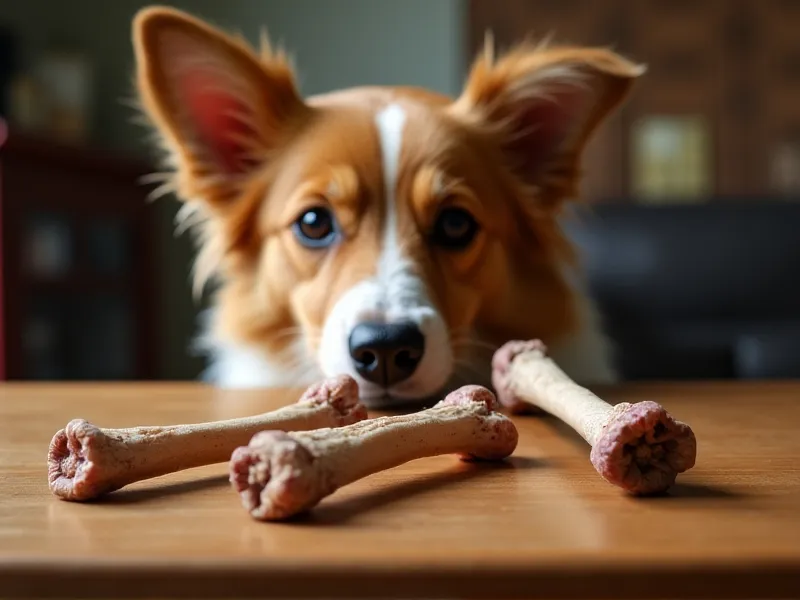
Table of Contents
- Can Dogs Eat Pork Chop Bones? The Short Answer
- The “Benefits” of Pork: It’s About the Meat, Not the Bone
- The Risks of Pork Chop Bones: Why They’re Dangerous
- Choking Hazards
- Splintering & Internal Injury
- Intestinal Blockages
- Fatty Meat & Pancreatitis
- If Not Bones, How Much Pork Meat Is Safe?
- Healthier Alternatives to Pork Chop Bones
- FAQ: Your Top Questions Answered
- Conclusion: Prioritize Safety, Enjoy Moderation
1. Can Dogs Eat Pork Chop Bones? The Short Answer
No, dogs should not eat pork chop bones—cooked or raw.
While the lean, unseasoned meat from a pork chop can be a tasty, occasional treat for most dogs, the bones themselves pose serious health risks. From choking to life-threatening internal injuries, pork chop bones are far more dangerous than they are rewarding. Let’s dig into why.
2. The “Benefits” of Pork: It’s About the Meat, Not the Bone
You might think, “Bones are natural! Wolves eat bones, right?” While it’s true that wild canids consume bones, domestic dogs have different digestive systems—and pork chop bones are not the same as the bones wolves eat in the wild.
That said, the meat from a pork chop does offer some nutritional perks when fed in moderation:
- Protein: Pork is a good source of high-quality protein, which supports muscle growth and repair.
- Vitamins & Minerals: It contains B vitamins (like B12 and niacin), zinc, and iron, which help with energy, immune function, and red blood cell health.
- Taste: Let’s be real—most dogs go crazy for pork! It’s a great way to add variety to their diet (in small doses).
But here’s the catch: These benefits come from the meat, not the bone. The bone itself offers little to no nutritional value for your dog—and carries significant risks.
3. The Risks of Pork Chop Bones: Why They’re Dangerous
Pork chop bones (and most cooked bones, for that matter) are a recipe for disaster. Here’s why:
Choking Hazards
Pork chop bones are often small, thin, or irregularly shaped—perfect for getting stuck in your dog’s throat. Even large dogs can choke on a bone fragment, leading to gagging, wheezing, or inability to breathe. For small breeds, the risk is even higher: a single bone shard could block their airway entirely.
Splintering & Internal Injury
Cooking bones (including pork chops) makes them dry, brittle, and prone to splintering. When your dog chews on a cooked pork chop bone, it can shatter into sharp, needle-like pieces. These fragments can:
- Tear the mouth, gums, or tongue (causing pain and bleeding).
- Puncture the esophagus, stomach, or intestines (leading to infections, internal bleeding, or peritonitis—a life-threatening inflammation of the abdominal lining).
Even raw pork bones aren’t safe. While raw bones are less likely to splinter, they can still break into chunks, and raw pork carries its own risks (more on that later).
Intestinal Blockages
If your dog swallows a bone fragment, it might not pass through their digestive tract. Bone pieces can get stuck in the stomach or intestines, causing a blockage. Symptoms include vomiting, diarrhea, loss of appetite, lethargy, or abdominal pain. Without emergency surgery, an intestinal blockage can be fatal.
Fatty Meat & Pancreatitis
Pork chops often have a layer of fat or are cooked with oil, butter, or seasonings (like garlic or onion, which are toxic to dogs). Fatty foods can trigger pancreatitis in dogs—a painful, potentially deadly condition where the pancreas becomes inflamed. Symptoms include vomiting, diarrhea, abdominal pain, and fever. Even a small amount of fatty pork can be risky for dogs prone to pancreatitis (like overweight dogs or certain breeds).
4. If Not Bones, How Much Pork Meat Is Safe?
If you want to share the meat from your pork chop with your dog, here’s how to do it safely:
- Cook it thoroughly: Raw pork can contain parasites like Trichinella spiralis, which causes trichinosis (a parasitic infection). Always cook pork to an internal temperature of 145°F (63°C) to kill harmful bacteria and parasites.
- Keep it lean: Trim off all visible fat, as excess fat can lead to pancreatitis.
- Skip the seasonings: No salt, pepper, garlic, onion, or sauces. These can be toxic or irritating to dogs.
- Serve in moderation: Pork should be an occasional treat, not a staple. A good rule of thumb: treats (including pork) should make up no more than 10% of your dog’s daily calories. For example, a 30-pound dog can safely enjoy 1–2 small bites of lean, cooked pork once or twice a week.
- Check for allergies: Some dogs are allergic to pork. Start with a tiny piece and watch for signs of itching, redness, or digestive upset.
5. Healthier Alternatives to Pork Chop Bones
If your dog loves to chew, there are plenty of safe, satisfying alternatives to pork chop bones:
Raw, Meaty Bones (Under Supervision)
Large, raw bones (like beef marrow bones or knucklebones) are safer than cooked bones because they’re softer and less likely to splinter. Look for bones larger than your dog’s head to prevent choking, and always supervise chewing. Avoid poultry bones (they splinter easily) and never leave a bone out for more than 15–20 minutes (old bones can dry out and become brittle).
Vet-Recommended Dental Chews
Dental chews (like Greenies or Purina Dentalife) are designed to clean teeth, freshen breath, and satisfy the urge to chew—without the risk of bones. Choose chews sized for your dog’s breed, and avoid those with added sugars or artificial ingredients.
Frozen Treats
Freeze low-sodium chicken broth in ice cube trays, or stuff a Kong with plain yogurt and freeze it. These cold treats are great for teething puppies or hot days, and they’re gentle on teeth and gums.
Fresh Fruits & Veggies
Crunchy, dog-safe veggies like carrots, celery, or green beans make excellent low-calorie chews. They’re high in fiber, vitamins, and water, and most dogs love the texture. Just avoid grapes, raisins, onions, or garlic—these are toxic.
Boneless, Cooked Meats
Lean, cooked chicken, turkey, or beef (without bones or seasoning) are safe, protein-rich treats. Shred a small amount into your dog’s kibble for extra flavor, or offer it as a standalone reward.
6. FAQ: Your Top Questions Answered
Q: My dog stole a pork chop bone! What should I do?
A: Stay calm. If your dog is choking (gagging, pawing at the mouth, struggling to breathe), call your vet or emergency clinic immediately—do NOT try to fish the bone out yourself (you could push it further down). If they swallowed the bone without choking, monitor for symptoms like vomiting, diarrhea, lethargy, or loss of appetite for 24–48 hours. If any symptoms appear, contact your vet—they may need X-rays to check for blockages.
Q: Are raw pork bones safer than cooked ones?
A: Raw bones are less likely to splinter, but they’re not risk-free. Raw pork can carry parasites (like Trichinella), and even raw bones can break into chunks that cause blockages. Most vets recommend avoiding raw pork bones altogether.
Q: Can puppies eat pork chop bones?
A: No. Puppies have smaller airways, softer teeth, and are more likely to swallow bones whole. Their digestive systems are also developing, making them more prone to blockages or injury.
Q: Is pork safe for dogs with sensitive stomachs?
A: It depends. Lean, cooked pork is often well-tolerated, but some dogs with sensitive stomachs may react to it. Introduce small amounts first, and consult your vet if your dog has a history of digestive issues.
Q: What if my dog has eaten bones before and been fine?
A: Luck doesn’t equal safety. Every dog is different, and even if your pup “survived” a bone in the past, the next one could cause serious harm. It’s not worth the risk.
7. Conclusion: Prioritize Safety, Enjoy Moderation
At the end of the day, sharing a meal with your dog is one of life’s little joys—but when it comes to pork chop bones, it’s better to be safe than sorry. The meat can be a tasty, occasional treat (when prepared properly), but the bones are simply too risky.
If you’re unsure about what’s safe for your dog, always consult your vet. They know your pup’s breed, health history, and dietary needs, and can help you make the best choices.
Remember: A happy dog is a healthy dog. Skip the bone, opt for a lean pork treat instead, and enjoy many more tail-wagging dinners together.
References
- American Kennel Club (AKC). “Can Dogs Eat Pork?” akc.org
- ASPCA. “People Foods to Avoid Feeding Your Pets.” aspca.org
- VCA Hospitals. “Pancreatitis in Dogs.” vcahospitals.com
- Centers for Disease Control and Prevention (CDC). “Trichinellosis (Trichinosis).” cdc.gov