· 10 min read
Can Dogs Eat Bones from Pet Stores? The Ultimate Guide for Pet Parents
Picture this: You’re pushing a cart through your local pet store, and your dog’s nose twitches. They lock eyes with a display of “all-natural” bones—some wrapped in meat, others labeled “dental chews”—and suddenly, those puppy eyes are impossible to resist. But before you toss one into your basket, a nagging question hits you: Are these bones actually safe for my dog?
It’s a common dilemma. For decades, bones have been marketed as a “classic” dog treat, evoking images of pups happily gnawing on a backyard bone. But the truth is, not all bones are created equal—especially those sold in pet stores. Some can be nutritious and fun, while others pose hidden risks like choking, intestinal blockages, or even poisoning.
In this guide, we’ll cut through the marketing hype to answer the big question: Can dogs eat bones from pet stores? We’ll break down the benefits, the risks, safe feeding guidelines, and healthier alternatives—so you can make the best choice for your furry friend.
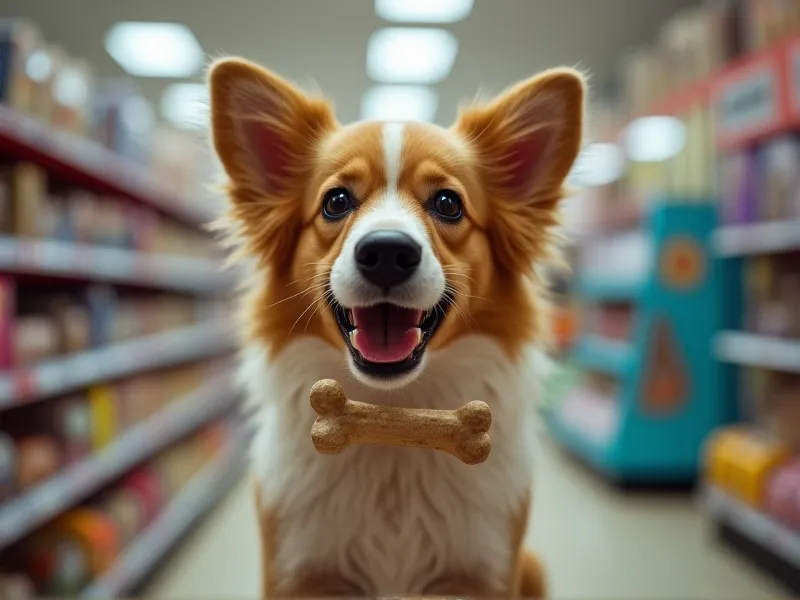
Table of Contents
- Can Dogs Eat Pet Store Bones? The Short Answer
- The Potential Benefits of Pet Store Bones
- The Hidden Risks: What Pet Parents Need to Know
- Safe Feeding Guidelines: How Much (and How Often) to Offer
- Healthier Alternatives to Pet Store Bones
- FAQ: Your Top Questions Answered
- Conclusion: Prioritizing Your Pup’s Safety
Can Dogs Eat Pet Store Bones? The Short Answer
Yes… but with major caveats.
Not all pet store bones are safe, and even “safe” ones require careful consideration. The key factors are:
- Type of bone (raw vs. cooked, natural vs. synthetic, meaty vs. hollow)
- Size and texture (too small = choking risk; too hard = dental damage)
- Your dog’s individual needs (age, health, chewing style)
Some pet store bones, like high-quality raw meaty bones or digestible synthetic chews, can be a occasional treat. But others—like cooked bones, small brittle bones, or those loaded with additives—pose serious dangers. The bottom line: Always read labels, choose wisely, and never assume “natural” equals “safe.”
The Potential Benefits of Pet Store Bones
When chosen carefully, certain pet store bones can offer perks for your pup. Let’s break down the positives:
1. Nutritional Value (for Raw, Meaty Bones)
Raw meaty bones—like freeze-dried chicken necks, beef ribs, or lamb shanks (sold in refrigerated pet sections)—are packed with nutrients. They’re rich in:
- Calcium and phosphorus: Critical for strong bones, teeth, and muscle function.
- Protein: Supports muscle growth and energy.
- Collagen: Found in connective tissues, which helps joint health and skin elasticity.
- Natural enzymes: Aids digestion when consumed raw (cooking destroys these enzymes).
The American Kennel Club (AKC) notes that raw bones, when fed appropriately, can contribute to a balanced diet for dogs, though they shouldn’t replace regular meals.
2. Dental Health (for the Right Texture)
Chewing on a soft, meaty bone (not a rock-hard one!) can help scrape plaque and tartar off your dog’s teeth. The mechanical action of gnawing stimulates saliva production, which naturally cleanses the mouth. Just avoid bones that are too hard (like antlers or weight-bearing bones from cows), as these can scratch enamel or even crack teeth.
3. Mental Stimulation and Stress Relief
Dogs are natural chewers—it’s in their DNA! Offering a bone (or chew) gives them a job to do, reducing boredom and anxiety. A 2019 study in Applied Animal Behaviour Science found that chewing can lower stress hormones in dogs, making it a great tool for calming nervous pups.
4. Fiber (for Plant-Based or “Bone Meal” Treats)
Some pet store bones are actually “bone-shaped” treats made with plant-based ingredients (like sweet potato or pumpkin) mixed with bone meal. These can add fiber to your dog’s diet, supporting healthy digestion. Always check the label—look for minimal, recognizable ingredients (e.g., “sweet potato, bone meal, natural flavor”).
The Hidden Risks: What Pet Parents Need to Know
Now, let’s talk about the downsides. Even “good” bones come with risks, and some are downright dangerous. Here’s what to watch for:
1. Choking and Intestinal Blockages
This is the biggest risk. Small bones (like chicken wings or fish bones) or bones that splinter easily can get stuck in your dog’s throat, esophagus, or intestines. Symptoms of blockage include vomiting, diarrhea, lethargy, or refusal to eat—this is a medical emergency.
Even larger bones can break into sharp shards. Cooked bones are especially risky: heat makes them dry and brittle, so they splinter when chewed, unlike raw bones, which are more flexible.
2. Dental Damage
Bones that are too hard—think cow hooves, antlers, or “compressed bone” treats—can crack teeth, damage gums, or cause jaw fractures. Dr. Jerry Klein, Chief Veterinary Officer at the AKC, warns, “Hard chews can lead to painful dental injuries that require costly vet visits.”
3. Bacterial Contamination (Raw Bones)
Raw bones, while nutritious, can harbor harmful bacteria like Salmonella or E. coli. This isn’t just bad for your dog—it’s a risk for you, too. Always handle raw bones with gloves, wash surfaces thoroughly, and keep them away from small children or immunocompromised family members.
4. Additives and Unhealthy Ingredients
Many “flavored” or “processed” bones in pet stores are loaded with:
- Sugar or artificial sweeteners: Xylitol, a common sugar substitute, is toxic to dogs (even small amounts can cause liver failure).
- Salt or preservatives: Excess salt leads to dehydration or kidney issues; chemicals like BHA/BHT may linked to cancer.
- Fillers: Corn, wheat, or soy—common allergens that offer no nutritional value.
Always read the ingredient list! If you see “sugar,” “xylitol,” or a long list of unpronounceable words, put it back.
The Hidden Risks: What Pet Parents Need to Know
Now, let’s talk about the downsides. Even “good” bones come with risks, and some are downright dangerous. Here’s what to watch for:
1. Choking and Intestinal Blockages
This is the biggest risk. Small bones (like chicken wings or fish bones) or bones that splinter easily can get stuck in your dog’s throat, esophagus, or intestines. Symptoms of blockage include vomiting, diarrhea, lethargy, or refusal to eat—this is a medical emergency.
Even larger bones can break into sharp shards. Cooked bones are especially risky: heat makes them dry and brittle, so they splinter when chewed, unlike raw bones, which are more flexible.
2. Dental Damage
Bones that are too hard—think cow hooves, antlers, or “compressed bone” treats—can crack teeth, damage gums, or cause jaw fractures. Dr. Jerry Klein, Chief Veterinary Officer at the AKC, warns, “Hard chews can lead to painful dental injuries that require costly vet visits.”
3. Bacterial Contamination (Raw Bones)
Raw bones, while nutritious, can harbor harmful bacteria like Salmonella or E. coli. This isn’t just bad for your dog—it’s a risk for you, too. Always handle raw bones with gloves, wash surfaces thoroughly, and keep them away from small children or immunocompromised family members.
4. Additives and Unhealthy Ingredients
Many “flavored” or “processed” bones in pet stores are loaded with:
- Sugar or artificial sweeteners: Xylitol, a common sugar substitute, is toxic to dogs (even small amounts can cause liver failure).
- Salt or preservatives: Excess salt leads to dehydration or kidney issues; chemicals like BHA/BHT may linked to cancer.
- Fillers: Corn, wheat, or soy—common allergens that offer no nutritional value.
Always read the ingredient list! If you see “sugar,” “xylitol,” or a long list of unpronounceable words, put it back.
Safe Feeding Guidelines: How Much (and How Often) to Offer
If you decide to give your dog a pet store bone, follow these rules to minimize risk:
1. Choose the Right Type of Bone
- Opt for raw, meaty bones (refrigerated or freeze-dried) from reputable brands (e.g., Stella & Chewy’s, Primal). Avoid cooked bones entirely.
- Skip hard, weight-bearing bones (like beef femurs or antlers)—they’re too tough for most dogs.
- Avoid small bones (chicken wings, ribs) for large dogs; they can be swallowed whole. For small dogs, stick to tiny bones (like chicken necks) that are too big to choke on but small enough to chew.
2. Size Matters
The bone should be larger than your dog’s muzzle to prevent them from getting it all the way in their mouth. For example:
- Small dogs (Chihuahua, Yorkie): Chicken necks or freeze-dried lamb ribs.
- Medium dogs (Beagle, Cocker Spaniel): Beef ribs or turkey necks.
- Large dogs (Lab, German Shepherd): Beef shanks or pork knuckles (supervised!).
3. Supervise Always
Never leave your dog alone with a bone. If they start gnawing aggressively or breaking off large chunks, take it away. Remove the bone once it’s small enough to be a choking hazard (about the size of a golf ball).
4. Limit Frequency and Portion
Bones should be an occasional treat, not a daily snack. Aim for 1–2 times per week, and adjust based on your dog’s diet (e.g., if they’re on a high-protein food, reduce bone intake to avoid excess calories).
5. Watch for Red Flags
After feeding a bone, monitor your dog for 24–48 hours. Signs of trouble include:
- Vomiting or diarrhea
- Lethargy or loss of appetite
- Whining while eating or defecating
- Blood in stool
If you notice any of these, contact your vet immediately.
Healthier Alternatives to Pet Store Bones
If the risks of pet store bones make you nervous, there are plenty of safer, equally fun alternatives:
1. Dental Chews (VOHC Approved)
Look for chews certified by the Veterinary Oral Health Council (VOHC), which means they’re proven to reduce plaque and tartar. Examples:
- Greenies Original Dental Chews
- Purina Pro Plan Dental Chewz
- C.E.T. VeggieDent Fr3sh
2. Bully Sticks
Made from dried bull pizzle, bully sticks are high in protein, low in fat, and digestible. They’re a great chew for aggressive chewers (just choose odor-free versions if you’re sensitive!).
3. Veggie Chews
Crunchy, low-calorie, and packed with fiber:
- Carrot sticks
- Cucumber slices (frozen for teething puppies!)
- Sweet potato chews (baked, not fried)
- Pumpkin seeds (unsalted, in moderation)
4. Kong Toys with Fillings
Stuff a Kong with peanut butter (no xylitol!), Greek yogurt, or mashed banana, then freeze it. It’ll keep your dog busy for hours and is 100% safe.
5. Himalayan Yak Chews
Made from yak milk, these hard chews are long-lasting and digestible. They soften as your dog chews, reducing choking risk.
FAQ: Your Top Questions Answered
Q: Can puppies eat pet store bones?
A: Puppies have soft teeth and developing digestive systems, so raw, meaty bones are generally okay in small amounts (e.g., a chicken neck once a week). Avoid hard chews or large bones—they can damage baby teeth or cause blockages.
Q: Are rawhide bones from pet stores safe?
A: Rawhide is controversial. Some dogs digest it fine, but others get blockages from large pieces. Opt for pressed rawhide (softer) or collagen chews (digestible alternatives) instead.
Q: My dog swallowed a bone fragment—what should I do?
A: Stay calm! If the fragment is small, it may pass on its own. But if your dog is vomiting, lethargic, or in pain, head to the vet immediately—intestinal blockages are life-threatening.
Q: Are “natural” or “organic” pet store bones safer?
A: Not necessarily. “Natural” doesn’t mean “safe.” Always check for additives, and avoid organic cooked bones—they’re still brittle!
Q: Can senior dogs eat pet store bones?
A: It depends on their health. Senior dogs with dental issues, kidney disease, or weak jaws should skip bones. If your senior pup is healthy, offer small, soft raw bones (like freeze-dried salmon skins) as an occasional treat.
Conclusion: Prioritizing Your Pup’s Safety
At the end of the day, pet store bones can be a fun, nutritious treat—if you choose wisely and prioritize safety. Raw, meaty bones from reputable brands, fed in moderation and under supervision, can bring joy to your dog (and maybe even boost their dental health). But for many pet parents, the risks (choking, blockages, dental damage) outweigh the benefits.
If you’re unsure, talk to your vet. They can recommend the best treats based on your dog’s age, breed, and health. And remember: The goal is to keep your pup happy and healthy—whether that means a raw bone, a dental chew, or a good old-fashioned game of fetch.
Your dog’s tail wag (and healthy smile) is worth the extra effort. 🐾
References
- American Kennel Club (AKC). “Raw Bones for Dogs: Are They Safe?” akc.org.
- American Veterinary Medical Association (AVMA). “Raw Feeding: What You Need to Know.” avma.org.
- Klein, J. (2021). “Dangers of Bones for Dogs.” American Kennel Club.
- Veterinary Oral Health Council (VOHC). “Accepted Products.” vohc.org.