· 8 min read
Can Dogs Eat Bologna? The Surprising Risks and Safer Treat Alternatives for Your Pup
Picture this: You’re assembling a sandwich, and your dog trots over, tail wagging, nose twitching at the scent of bologna. Those big, pleading eyes seem to say, “Just a tiny bite?” It’s a scenario many pet parents face—wondering if human foods like bologna are safe to share with their furry friends. After all, bologna is a pantry staple, quick to slice, and undeniably tasty. But when it comes to your dog’s health, “tasty” doesn’t always mean “safe.”
In this guide, we’ll break down everything you need to know about bologna and dogs: whether it’s safe, its nutritional pros and cons, hidden risks, and healthier treats to offer instead. Let’s dive in to keep your pup happy and healthy.
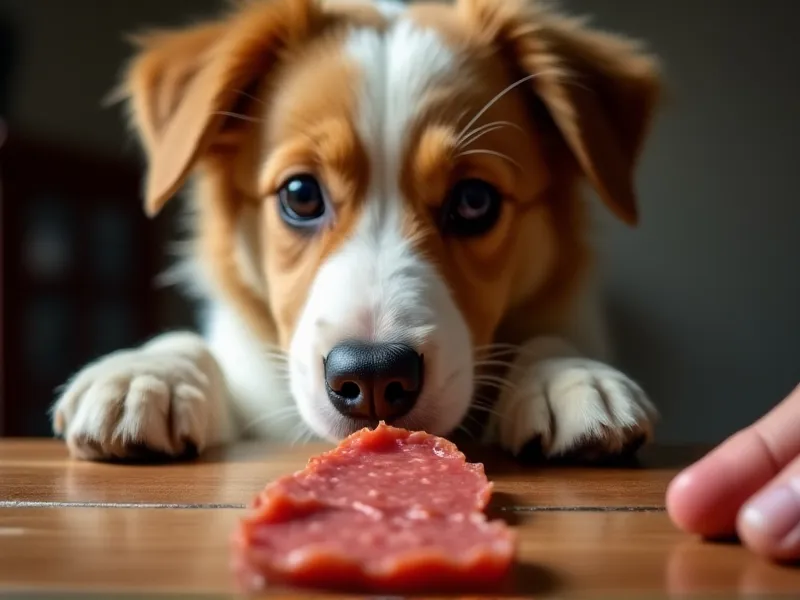
Table of Contents
- So, Can Dogs Eat Bologna? The Short Answer
- The Nutritional Profile of Bologna: What’s Actually in It?
- Potential Benefits of Bologna for Dogs (Spoiler: They’re Minimal)
- The Risks of Feeding Bologna to Dogs: Why It’s Not Worth the Risk
- If You Must Share: How Much Bologna Is “Safe” for Dogs?
- Healthier Alternatives to Bologna: Treats Your Dog Will Love
- FAQ: Your Bologna and Dogs Questions Answered
- Conclusion: Prioritize Your Dog’s Health with Smart Treat Choices
- References
So, Can Dogs Eat Bologna? The Short Answer
No, bologna is not recommended as a treat for dogs. While a tiny, occasional bite is unlikely to cause immediate harm, bologna is a highly processed meat loaded with salt, fat, preservatives, and other additives that offer little nutritional value and pose significant health risks. Regularly feeding bologna to your dog could lead to stomach upset, obesity, pancreatitis, or even more serious issues like salt toxicity.
In short: Those puppy eyes are hard to resist, but your dog’s health is better off with safer, more nutritious treats.
The Nutritional Profile of Bologna: What’s Actually in It?
To understand why bologna isn’t ideal for dogs, let’s start with what’s in it. Bologna is a type of cold cut typically made from ground pork, beef, or poultry—often using “leftover” parts of the animal (like organs, trimmings, or byproducts). Manufacturers then add salt, sugar, spices, and preservatives (like nitrates or nitrites) to improve flavor and extend shelf life.
A typical 2-ounce slice of bologna contains:
- Calories: 180–200 (most from fat)
- Fat: 15–18g (including saturated fat)
- Sodium: 300–500mg (about 15–25% of a human’s daily recommended intake!)
- Protein: 5–7g (low-quality, from processed sources)
- Sugar: 1–2g (added for flavor)
- Preservatives: Nitrates/nitrites, sodium erythorbate, or phosphates
Compare this to a dog’s natural diet—high in lean protein, moderate fat, and low sodium—and it’s clear: bologna is a nutritional mismatch.
Potential Benefits of Bologna for Dogs (Spoiler: They’re Minimal)
It’s natural to wonder if bologna offers any redeeming qualities for dogs. After all, it’s meat, right? While it does contain some nutrients, they’re minimal and overshadowed by the risks. Here’s the reality:
- Protein: Bologna has a small amount of protein, but it’s low-quality. Dogs need high-quality protein (like from lean chicken or fish) to support muscle health, and processed meats like bologna don’t deliver that.
- Iron/B Vitamins: Trace amounts of iron and B vitamins (like B12) may be present, but these are far more abundant in fresh, unprocessed meats.
- Potassium: A tiny amount, but not enough to contribute meaningfully to your dog’s diet (bananas or sweet potatoes are better sources!).
The bottom line: Any “benefits” of bologna are negligible. You’d need to feed your dog far more bologna than is safe to see any nutritional upside—and by then, the risks would already be stacking up.
The Risks of Feeding Bologna to Dogs: Why It’s Not Worth the Risk
Now, let’s get to the most important part: the risks. Bologna’s processing and high levels of additives make it a poor choice for dogs. Here’s what you need to watch out for:
1. High Sodium: A Recipe for Salt Toxicity
Dogs are much more sensitive to salt than humans. The average dog needs only 100–200mg of sodium per day (depending on size), but a single slice of bologna can contain 300–500mg. Feeding even a few slices could push your dog over their daily limit, leading to salt toxicity (hypernatremia).
Symptoms of salt toxicity include:
- Excessive thirst and urination
- Vomiting or diarrhea
- Lethargy or confusion
- Seizures or tremors
- In severe cases, coma or death
Small dogs (like Chihuahuas or Yorkies) are especially at risk, as their tiny bodies can’t process excess salt as efficiently as larger breeds.
2. Fat and Pancreatitis Risk
Bologna is high in fat, which can trigger pancreatitis—a painful, potentially life-threatening condition where the pancreas becomes inflamed. Dogs with a history of pancreatitis, obesity, or sensitive stomachs are most vulnerable, but even healthy dogs can develop it after eating high-fat foods.
Pancreatitis symptoms include:
- Abdominal pain (hunched back, reluctance to move)
- Vomiting (often repeatedly)
- Loss of appetite
- Dehydration
If left untreated, pancreatitis can lead to organ failure.
3. Preservatives: Nitrates and Nitrites
Most bologna contains nitrates or nitrites, preservatives used to keep meat “fresh” and give it that pink color. In humans, these chemicals are linked to an increased risk of cancer, and while research on dogs is limited, veterinarians caution against regular exposure.
Nitrites can also react with stomach acids to form nitrosamines, compounds known to be carcinogenic. Over time, feeding bologna could expose your dog to unnecessary toxins.
4. Sugar and Artificial Additives
Some bologna brands add sugar, artificial flavors, or colors to improve taste. Dogs don’t need sugar in their diet, and excess can lead to obesity, dental issues, or even diabetes. Artificial additives (like Red 40 or Yellow 5) have also been linked to allergic reactions or behavioral issues in some dogs.
5. Choking Hazard
Bologna is soft and pliable, but if fed in large chunks (or to small dogs), it can pose a choking risk. The slimy texture may stick in your dog’s throat, blocking their airway—a scary situation that requires immediate veterinary care.
If You Must Share: How Much Bologna Is “Safe” for Dogs?
Let’s be real: Accidents happen. Maybe your dog snatches a piece off the counter, or you cave to those puppy eyes just once. If that’s the case, here’s what to do:
- For small dogs (under 20lbs): A piece no larger than a pea. Monitor for 24 hours for vomiting, diarrhea, or lethargy.
- For medium dogs (20–50lbs): A piece the size of a dime. Again, watch for signs of stomach upset.
- For large dogs (over 50lbs): A piece the size of a quarter. Even then, proceed with caution.
But remember: “Safe” doesn’t mean “healthy.” Even tiny amounts add unnecessary salt, fat, and preservatives to your dog’s diet. It’s better to avoid bologna altogether.
Healthier Alternatives to Bologna: Treats Your Dog Will Love
Instead of bologna, opt for these dog-friendly treats that are nutritious, low-risk, and delicious:
1. Lean, Unprocessed Meats
- Cooked chicken/turkey: Skinless, boneless, and unseasoned (no garlic or onion!). High in protein and easy to digest.
- Lean beef: Like sirloin or ground beef (drained of fat). A great source of iron and B vitamins.
- Deli turkey (low-sodium): Look for brands with no added salt, nitrates, or preservatives. A better alternative to bologna, but still feed in moderation.
2. Fresh Fruits and Veggies
- Carrots: Crunchy, low-calorie, and packed with vitamin A (great for eyesight!).
- Apples: Remove the seeds (they contain cyanide!) and core, then slice. High in fiber and vitamin C.
- Green beans: Steamed or raw (no salt/butter). A fantastic low-fat snack for weight management.
- Sweet potatoes: Baked or boiled (no added sugar). Rich in vitamins A, C, and fiber.
3. Commercial Dog Treats
Look for treats made with whole-food ingredients (e.g., “chicken” as the first ingredient, not “chicken byproduct meal”). Avoid brands with added salt, sugar, or preservatives. Popular options include:
- Freeze-dried meat treats (like chicken or liver)
- Dental chews (to clean teeth and reward!)
- Grain-free or limited-ingredient treats (great for dogs with allergies)
FAQ: Your Bologna and Dogs Questions Answered
Q: Can dogs eat turkey bologna?
A: Turkey bologna is slightly lower in fat than pork or beef bologna, but it’s still processed, high in sodium, and contains preservatives. It’s not safer—just marginally less fatty. Stick to fresh, unprocessed turkey instead.
Q: My dog ate a whole slice of bologna! Should I panic?
A: Stay calm, but monitor them closely. A single slice is unlikely to be lethal for most dogs, but watch for signs of salt toxicity (thirst, vomiting, lethargy) or pancreatitis (abdominal pain, vomiting). If symptoms appear, contact your vet immediately. Small dogs or dogs with health issues should see a vet right away.
Q: Is bologna toxic to dogs?
A: Bologna isn’t “toxic” in the way chocolate or grapes are, but it’s “toxic by accumulation.” Feeding it regularly can lead to long-term health issues (like high blood pressure, kidney damage, or cancer from preservatives).
Q: What if my dog begs for bologna every time I eat a sandwich?
A: Redirect their attention with a safe treat (like a carrot stick or piece of cooked chicken). Consistency is key—if you give in sometimes but not others, they’ll keep begging!
Conclusion: Prioritize Your Dog’s Health with Smart Treat Choices
At the end of the day, sharing food with your dog is a way to bond—but it should never come at the cost of their health. Bologna is a processed, nutrient-poor food that offers more risks than rewards, from salt toxicity to pancreatitis.
Instead, reach for treats that nourish your dog: lean meats, fresh fruits, veggies, or high-quality commercial treats. Your pup will love the taste, and you’ll love knowing you’re keeping them happy and healthy.
When in doubt, always consult your vet before introducing new foods to your dog’s diet—especially if they have health conditions like diabetes, kidney disease, or pancreatitis.
Here’s to many tail wags and safe snacking!
References
- American Veterinary Medical Association (AVMA). “Salt Toxicity in Pets.” avma.org/resources/pet-owners/nutrition/salt-toxicity-pets
- ASPCA. “People Foods to Avoid Feeding Your Pets.” aspca.org/pet-care/animal-poison-control/people-foods-avoid-feeding-your-pets
- Pet Poison Helpline. “Nitrate/Nitrite Poisoning in Pets.” petpoisonhelpline.com/poison/nitrate-nitrite/
- VCA Animal Hospitals. “Pancreatitis in Dogs.” vcahospitals.com/know-your-pet/pancreatitis-in-dogs