· 9 min read
Can Dogs Eat Bok Choy? A Pet Parent’s Guide to This Leafy Green Superfood
You’re standing at the kitchen counter, chopping crisp bok choy for tonight’s stir-fry, when you feel a wet nose nudge your hand. Your dog, ever the opportunist, is staring up at you with those “please share” eyes—tail thumping, ears perked, like they know exactly what you’re holding.
Bok choy, with its crunchy stalks and leafy greens, is a staple in healthy human diets. Packed with vitamins, fiber, and antioxidants, it’s often called a “superfood.” But as a pet parent, you know better than to assume human foods are automatically safe for dogs. So… can dogs eat bok choy? Is it a healthy addition to their bowl, or should you keep this green veggie to yourself?
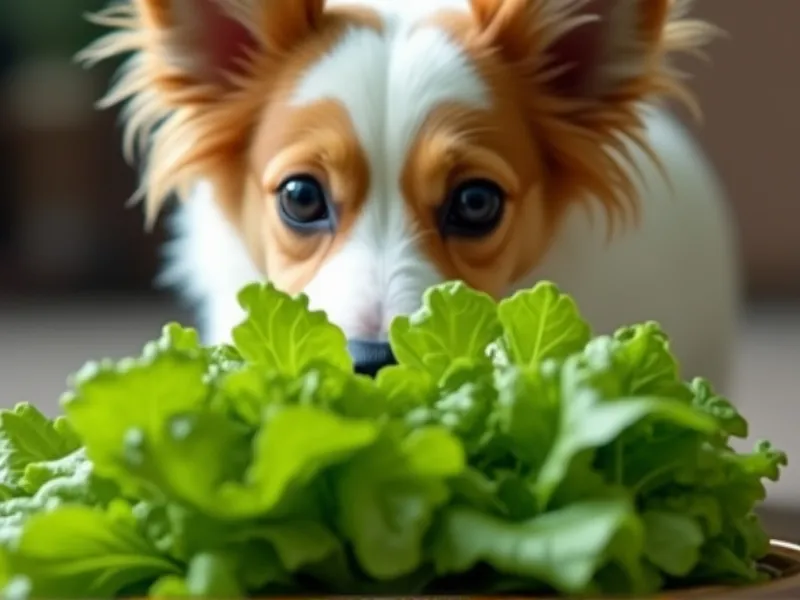
Table of Contents
- Can Dogs Eat Bok Choy? The Short Answer
- The Benefits of Bok Choy for Dogs: Why It Might Be a Healthy Treat
- Potential Risks of Feeding Bok Choy to Dogs
- How Much Bok Choy Can Dogs Eat? Guidelines for Safe Feeding
- Healthier Alternatives to Bok Choy for Dogs
- FAQ: Your Bok Choy Questions Answered
- Conclusion: Bok Choy as a Treat—With Caution
- References
Can Dogs Eat Bok Choy? The Short Answer
Yes, dogs can eat bok choy—in moderation.
Bok choy is non-toxic to dogs, according to the American Society for the Prevention of Cruelty to Animals (ASPCA), which means it won’t cause immediate harm if your pup sneaks a bite. In fact, its nutrient-dense profile makes it a potentially healthy occasional treat. However, like all human foods, it’s not without risks, and portion control is key.
Think of bok choy as a “sometimes food” for your dog—not a replacement for their balanced, species-appropriate dog food. Let’s dive into why it might be beneficial, what risks to watch for, and how to serve it safely.
The Benefits of Bok Choy for Dogs: Why It Might Be a Healthy Treat
Bok choy (also called Chinese cabbage) is part of the cruciferous vegetable family, which includes broccoli, kale, and Brussels sprouts. While some cruciferous veggies have caveats for dogs, bok choy stands out for being low in calories and high in nutrients. Here’s how it could boost your pup’s health:
1. Rich in Essential Vitamins
Bok choy is a vitamin powerhouse, with key nutrients that support your dog’s overall well-being:
- Vitamin A: Critical for eye health, skin and coat condition, and immune function. A deficiency can lead to vision problems or a weakened immune system.
- Vitamin C: An antioxidant that helps fight inflammation, supports collagen production (for healthy joints and skin), and boosts the immune system. While dogs produce some vitamin C on their own, extra can help during times of stress or illness.
- Vitamin K: Essential for blood clotting and bone health. It works with calcium to keep bones strong, which is especially important for senior dogs or those prone to fractures.
2. High in Fiber (Without the Calories)
Fiber is a unsung hero for canine digestion. Bok choy is 95% water and packed with dietary fiber, which:
- Supports regular bowel movements (helping with constipation or loose stools).
- Keeps your dog feeling full longer, which can aid in weight management (great for pups prone to overeating!).
- Feeds beneficial gut bacteria, supporting a healthy microbiome.
3. Potassium for Heart and Muscle Health
Potassium is an electrolyte that helps regulate heart rhythm, muscle function, and blood pressure. Dogs need potassium to keep their hearts beating steadily and their muscles (including the heart muscle) working properly. Bok choy is a natural source of this mineral, making it a heart-healthy snack option.
4. Antioxidants to Fight Free Radicals
Bok choy contains antioxidants like beta-carotene (which converts to vitamin A) and lutein. These compounds neutralize free radicals—unstable molecules that can damage cells and contribute to aging, disease, or inflammation. For dogs with chronic conditions (like arthritis), antioxidants may help reduce discomfort and support long-term health.
Potential Risks of Feeding Bok Choy to Dogs
While bok choy has benefits, it’s not a free-for-all. Here are the risks to consider before adding it to your dog’s diet:
1. Stomach Upset (Gas, Diarrhea, or Bloating)
Cruciferous veggies, including bok choy, contain raffinose—a complex sugar that dogs (and humans!) can’t fully digest. When gut bacteria break it down, they produce gas, which can lead to bloating, flatulence, or stomach cramps. For dogs with sensitive stomachs, even small amounts of bok choy might cause diarrhea or loose stools, especially if introduced suddenly.
2. Choking Hazard (Raw or Unchopped)
Bok choy’s crunchy stalks and leafy greens can pose a choking risk if not prepared properly. Large, raw pieces might get stuck in your dog’s throat, especially for small breeds or dogs who gulp their food. Even if they don’t choke, tough raw stalks could irritate the digestive tract or cause an intestinal blockage (though this is rare with proper preparation).
3. Goitrogens: A Minor Concern (In Large Amounts)
Like other cruciferous veggies, bok choy contains goitrogens—compounds that, in very high doses, can interfere with thyroid function by blocking iodine absorption. However, bok choy has far fewer goitrogens than kale or Brussels sprouts, and the risk is minimal unless your dog eats massive quantities regularly. For most dogs, an occasional serving won’t cause thyroid issues. That said, if your dog has a pre-existing thyroid condition (like hypothyroidism), check with your vet before feeding bok choy.
4. Pesticides (If Not Organic)
Conventionally grown bok choy may be sprayed with pesticides, which can be harmful to dogs if ingested in large amounts. To reduce risk, opt for organic bok choy when possible, and always wash it thoroughly to remove dirt, bacteria, or residue.
How Much Bok Choy Can Dogs Eat? Guidelines for Safe Feeding
The golden rule: Bok choy should make up no more than 10% of your dog’s daily calories. Treats (including veggies) shouldn’t replace their balanced dog food, which is formulated to meet all their nutritional needs.
Here’s a rough guideline based on your dog’s size:
- Small dogs (under 20 lbs): 1–2 tablespoons of chopped, cooked bok choy, 2–3 times per week.
- Medium dogs (20–50 lbs): ¼ cup of chopped, cooked bok choy, 2–3 times per week.
- Large dogs (50+ lbs): ½ cup of chopped, cooked bok choy, 2–3 times per week.
Tips for Serving Bok Choy Safely:
- Cook it: Raw bok choy is harder to digest and more likely to cause gas or choking. Steaming or boiling (without salt, oil, or seasonings) softens the stalks and makes it easier on your dog’s stomach.
- Chop it small: Cut the stalks into bite-sized pieces to reduce choking risk, especially for small dogs.
- Introduce slowly: Start with a tiny amount (e.g., 1 teaspoon for small dogs) and monitor for 24 hours. If there’s no vomiting, diarrhea, or gas, you can gradually increase the portion.
- Avoid seasonings: Skip salt, garlic, onions, or soy sauce—these are toxic to dogs (garlic and onions can cause anemia, while salt can lead to sodium poisoning).
Healthier Alternatives to Bok Choy for Dogs
If bok choy isn’t your dog’s favorite, or you want to mix up their veggie treats, these alternatives are often safer or more digestible:
1. Spinach
Spinach is low in oxalates (unlike kale) and packed with iron, vitamins A, C, and K, and fiber. It’s gentle on most dogs’ stomachs and can be served cooked or raw (chopped small).
2. Cooked Broccoli (Florets Only)
Broccoli is high in fiber, vitamin C, and antioxidants. Serve only the florets (the stalks are tough and can cause choking), cooked and chopped. Avoid raw broccoli, as it may cause gas.
3. Carrots
Crunchy, low-calorie, and high in beta-carotene, carrots are a favorite for dogs. They’re great for dental health (chewing helps scrape plaque) and safe for most pups. Serve raw (chopped) or cooked.
4. Green Beans
Green beans are a low-carb, high-fiber snack that’s perfect for weight management. They’re easy to digest and can be served raw (chopped) or cooked (no salt).
5. Pumpkin (Plain, Canned)
Plain, unsweetened pumpkin is a go-to for digestive issues—it’s high in fiber and helps firm up loose stools or relieve constipation. Mix a tablespoon into your dog’s food or serve as a treat.
FAQ: Your Bok Choy Questions Answered
Q: Can puppies eat bok choy?
A: Yes, but in very small amounts. Puppies have sensitive stomachs, so start with a tiny piece (e.g., ½ teaspoon for toy breeds) and watch for gas or diarrhea. Always consult your vet before introducing new foods to puppies, as their nutritional needs are different from adult dogs.
Q: Is raw bok choy or cooked bok choy better for dogs?
A: Cooked is better. Cooking softens the fiber, making it easier to digest and reducing the risk of gas or choking. Raw bok choy is not toxic, but it’s harder on the stomach and more likely to cause digestive upset.
Q: My dog ate a whole bunch of bok choy—should I worry?
A: Probably not, but monitor them for 24 hours. They may have gas, bloating, or diarrhea. If they show signs of severe discomfort (pacing, vomiting, lethargy), contact your vet—rarely, large amounts could cause an intestinal blockage, especially if the stalks are unchewed.
Q: Can bok choy help my dog lose weight?
A: It can! Bok choy is low in calories and high in fiber, so it can help your dog feel full without adding extra pounds. Use it as a treat replacement for high-calorie snacks (like biscuits), but always pair with a weight-loss plan approved by your vet.
Q: Are there any dogs who shouldn’t eat bok choy?
A: Dogs with thyroid issues (e.g., hypothyroidism) should avoid large amounts, as goitrogens may interfere with medication. Dogs with kidney disease should also skip it, as the potassium content could be problematic. Always check with your vet first if your dog has a chronic condition.
Conclusion: Bok Choy as a Treat—With Caution
So, can dogs eat bok choy? Absolutely—when served in moderation, cooked, and chopped small. This leafy green offers vitamins, fiber, and antioxidants that can support your dog’s health, making it a better choice than many processed treats.
But remember: Every dog is different. What works for one pup may upset another’s stomach. Start small, monitor for reactions, and never replace their regular dog food with veggies. When in doubt, consult your vet—they know your dog’s health history and can help you decide if bok choy is a good fit.
Next time you’re cooking with bok choy, feel free to share a tiny, cooked piece with your pup. Just don’t forget the tail wags (and maybe a few extra belly rubs) in return!
References
- American Society for the Prevention of Cruelty to Animals (ASPCA). People Foods to Avoid Feeding Your Pets. aspca.org/pet-care/animal-poison-control/people-foods-avoid-feeding-your-pets
- American Kennel Club (AKC). Can Dogs Eat Vegetables? Which Are Safe, Which Are Toxic. akc.org/expert-advice/nutrition/can-dogs-eat-vegetables/
- PetMD. Cruciferous Vegetables for Dogs: Benefits and Risks. petmd.com/dog/nutrition/cruciferous-vegetables-dogs-benefits-and-risks
- VCA Animal Hospitals. Nutrition: Vitamins and Minerals in Dog Food. vcahospitals.com/know-your-pet/nutrition-vitamins-and-minerals-in-dog-food
- The Whole Dog Journal. Vegetables for Dogs: Which Are Best? wholedogjournal.com/nutrition/vegetables-for-dogs/