· 8 min read
Can Dogs Eat Boiled Potatoes? A Pet Parent’s Guide to Safe Treats
It’s a familiar scene: You’re enjoying a cozy dinner, forkful of buttery mashed potatoes halfway to your mouth, when you feel a wet nose nudge your hand. Looking down, your dog’s big, soulful eyes are locked on your plate, tail thumping like a metronome. “Just a little bite?” you wonder. “Can dogs eat boiled potatoes, or is this starchy staple off-limits?”
If you’ve ever asked yourself this question, you’re not alone. As pet parents, we want to share the joys of food with our furry friends, but it’s crucial to know what’s safe. In this guide, we’ll break down whether boiled potatoes are a okay for dogs, their potential benefits and risks, how much to feed, and even healthier alternatives to consider. Let’s dig in!
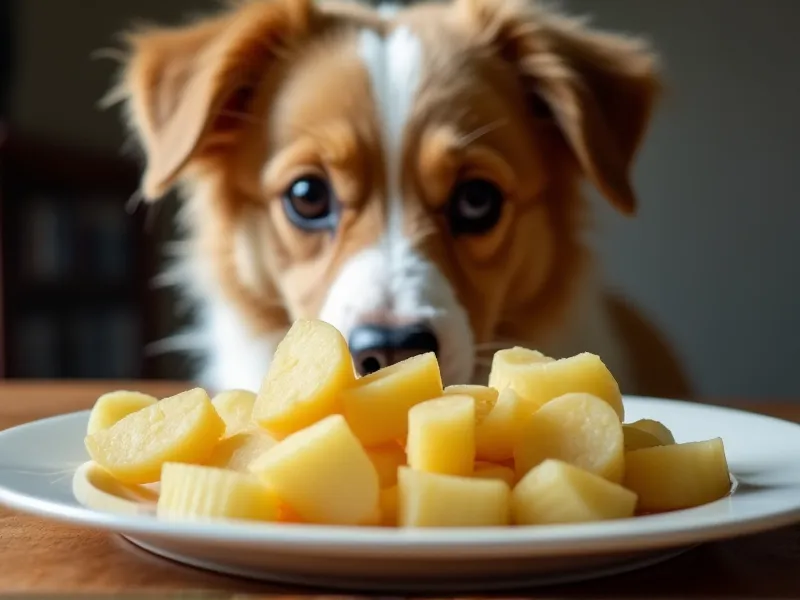
Table of Contents
- Can Dogs Eat Boiled Potatoes? The Short Answer
- The Benefits of Boiled Potatoes for Dogs
- The Risks of Feeding Boiled Potatoes to Dogs
- How Much Boiled Potato Can Dogs Safely Eat?
- Healthier Alternatives to Boiled Potatoes
- Frequently Asked Questions (FAQ)
- Conclusion: Moderation is Key
- References
Can Dogs Eat Boiled Potatoes? The Short Answer
Yes, dogs can eat plain, boiled potatoes in moderation. When cooked thoroughly and served without additives (like butter, salt, or seasonings), boiled potatoes are generally safe for most dogs. They’re a source of energy, fiber, and key nutrients—but they’re not without risks.
Important note: Raw potatoes (and green potatoes) are toxic to dogs. They contain solanine, a natural toxin that can cause vomiting, diarrhea, and even neurological issues. But boiled potatoes? As long as they’re plain, peeled (or properly prepared), and served in small amounts, they’re unlikely to harm your pup.
The Benefits of Boiled Potatoes for Dogs
Boiled potatoes aren’t just empty carbs—they offer some nutritional perks for dogs when fed responsibly. Let’s break down their key benefits:
1. Nutrient Boost: Vitamins B6 and C
Boiled potatoes are a modest source of vitamin B6, which plays a role in your dog’s nervous system, immune function, and red blood cell production. They also contain vitamin C, an antioxidant that supports collagen production (healthy skin and joints) and helps fight free radicals.
2. Fiber for Digestive Health
Potatoes are rich in dietary fiber, which can help regulate your dog’s digestion. A small amount of fiber can ease constipation and promote a healthy gut microbiome. Just be careful—too much fiber can have the opposite effect (more on that later!).
3. Potassium for Heart and Muscle Health
Potassium is an electrolyte that helps maintain healthy heart rhythm, muscle function, and fluid balance in dogs. Boiled potatoes contain this essential mineral, making them a minor but helpful addition to a balanced diet (though they’re not the best source of potassium—more on alternatives soon!).
4. Easy to Digest (When Cooked)
Unlike raw potatoes, which are hard on a dog’s stomach, boiled potatoes are soft and easy to digest. This makes them a potential option for dogs with temporary digestive upset (e.g., after an illness), though always check with your vet first.
The Risks of Feeding Boiled Potatoes to Dogs
While boiled potatoes are generally safe, they come with some caveats. Let’s explore the risks to keep your pup healthy:
1. Stomach Upset from Overindulgence
Potatoes are high in starch and fiber. While a little fiber is good, too much can lead to diarrhea, gas, or bloating, especially in dogs with sensitive stomachs. This is why portion control is critical—even “safe” foods can cause issues in excess.
2. Choking Hazards (Especially for Small Dogs)
Whole or large chunks of boiled potato can pose a choking risk, especially for small breeds or dogs who gulp their food. Always cut potatoes into bite-sized pieces (think: pea-sized for tiny dogs, dime-sized for medium breeds) to prevent choking or blockages.
3. Weight Gain and Blood Sugar Spikes
Potatoes are high in carbohydrates, which break down into sugar. Over time, feeding too many boiled potatoes can lead to weight gain or exacerbate conditions like diabetes (since they can spike blood sugar levels). Dogs on a low-carb diet (e.g., for obesity or diabetes) should avoid potatoes altogether.
4. Toxicity Risk (Raw Potatoes Only—But Still Worth Mentioning!)
While this guide focuses on boiled potatoes, it’s vital to note that raw potatoes are toxic to dogs. They contain solanine, a compound found in the nightshade family (which includes tomatoes and eggplants) that can cause vomiting, lethargy, and even seizures in large amounts. Boiling destroys solanine, so cooked potatoes are safe—but never feed raw!
5. Unhealthy Additives (Avoid These!)
Plain boiled potatoes are fine, but many human potato dishes are loaded with ingredients that are toxic to dogs:
- Butter, oil, or gravy: High in fat, which can cause pancreatitis.
- Salt: Excess sodium leads to dehydration, kidney issues, or salt poisoning.
- Garlic/onions: Toxic to dogs, even in small amounts (damages red blood cells).
- Milk/cheese: Many dogs are lactose intolerant, leading to diarrhea.
Always serve potatoes plain—no extras!
How Much Boiled Potato Can Dogs Safely Eat?
The golden rule here is moderation. Boiled potatoes should be an occasional treat, not a replacement for your dog’s balanced, species-appropriate diet. Here’s a general guide based on your dog’s size:
| Dog Size | Recommended Portion (Boiled, Plain Potato) | Frequency |
|---|---|---|
| Small (5–20 lbs) | 1–2 tablespoons (mashed or diced) | Once weekly max |
| Medium (21–50 lbs) | ¼ cup (diced) | Once weekly max |
| Large (51–100+ lbs) | ½ cup (diced) | Once weekly max |
Pro Tips for Serving:
- Dice or mash: Avoid whole chunks to prevent choking.
- Peel (optional): Potato skins are tough to digest and may cause gas. If you leave the skin on, chop it into tiny pieces.
- No substitutions: Stick to white or yellow potatoes (red potatoes are also safe, but avoid “fancy” varieties like sweet potatoes here—we’ll cover those as alternatives!).
Healthier Alternatives to Boiled Potatoes
While boiled potatoes are safe in small amounts, there are better, more nutrient-dense treats for dogs. These alternatives offer more vitamins, fiber, and fewer carbs—perfect for keeping your pup healthy and happy:
1. Sweet Potatoes (The Gold Standard!)
Sweet potatoes are a superior alternative to white potatoes. They’re packed with:
- Beta-carotene (converts to vitamin A, supporting eye and skin health).
- Fiber (more than white potatoes, aiding digestion).
- Antioxidants (fights inflammation).
- Lower glycemic index (gentler on blood sugar).
Serve them boiled, baked, or dehydrated as chewy treats—just skip the butter and sugar!
2. Pumpkin (Canned, Unsweetened)
Pumpkin is a digestive hero for dogs. It’s rich in fiber (great for diarrhea or constipation) and vitamins A, C, and E. A tablespoon or two of plain, canned pumpkin (not pie filling!) is a low-calorie, nutrient-dense treat.
3. Carrots
Crunchy, low-calorie, and full of beta-carotene, carrots are a favorite among dogs. They’re great for dental health (chewing helps reduce plaque) and make a perfect training treat. Serve raw (chopped) or steamed for senior dogs with sensitive teeth.
4. Green Beans
Fresh or steamed green beans are high in fiber, vitamins K and C, and low in calories. They’re a fantastic “filler” for overweight dogs, helping them feel full without extra carbs.
Frequently Asked Questions (FAQ)
Q: Can dogs eat mashed potatoes?
A: If they’re plain (no butter, milk, salt, or seasonings), a tiny spoonful is probably okay. But mashed potatoes are often loaded with dairy (lactose) and fat, so they’re not ideal. Stick to diced boiled potatoes instead.
Q: Are potato skins safe for dogs?
A: Potato skins are tough to digest and can cause choking or intestinal blockages, especially in small dogs. It’s safer to peel potatoes before boiling, or chop skins into very small pieces if you leave them on.
Q: Can puppies eat boiled potatoes?
A: Puppies have sensitive tummies, so introduce new foods slowly. A tiny bite (1 teaspoon for small breeds, 1 tablespoon for medium) once in a while is okay, but check with your vet first—puppies need specific nutrients for growth, and treats should be minimal.
Q: My dog ate too many boiled potatoes. What should I do?
A: Watch for signs of stomach upset (vomiting, diarrhea, bloating) or lethargy. If symptoms persist for more than 24 hours, contact your vet. For severe cases (e.g., choking, blockage), seek emergency care immediately.
Q: Are sweet potatoes better than white potatoes for dogs?
A: Yes! Sweet potatoes offer more nutrients (vitamin A, fiber, antioxidants) and are gentler on blood sugar. They’re a far better choice than white potatoes.
Conclusion: Moderation is Key
So, can dogs eat boiled potatoes? Yes—in small, plain, occasional portions. They’re a safe treat for most dogs, offering modest nutrients like fiber and potassium. However, they’re high in carbs and can cause stomach upset if overfed, so portion control is critical.
Remember: Your dog’s primary diet should be a balanced, vet-approved dog food. Boiled potatoes (or any human food) should never replace their regular meals. And when in doubt, there are healthier alternatives like sweet potatoes, pumpkin, or carrots that offer more bang for your buck.
As always, if you have questions about your dog’s diet—especially if they have health conditions like diabetes or obesity—consult your vet. They’ll help you tailor treats to your pup’s unique needs.
Here’s to happy, healthy snacking with your four-legged friend!
References
- American Kennel Club (AKC). “Can Dogs Eat Potatoes?” AKC.org
- ASPCA. “Toxic and Non-Toxic Plants: Potato.” ASPCA.org
- PetMD. “Human Foods Dogs Can and Can’t Eat.” PetMD.com
- VCA Hospitals. “Dietary Fiber for Dogs.” VCAHospitals.com
- Cummings School of Veterinary Medicine (Tufts University). “Nutrition for Dogs.” Tufts.edu