· 7 min read
Can Dogs Eat Boiled Egg Shells? Benefits, Risks & Safe Feeding Guide
It’s a quiet Sunday morning. You’re standing at the stove, stirring a pot of boiling eggs for breakfast, when you feel a wet nose nudge your hand. You look down to find your dog, tail thumping, eyes locked on the egg shells piling up next to the sink. “Can they really eat those?” you wonder. After all, you’ve heard eggs are a great snack for dogs—but what about the crunchy, papery shells?
If you’ve ever found yourself asking, “Can dogs eat boiled egg shells?” you’re not alone. Pet parents everywhere debate whether these kitchen scraps are a safe, nutrient-packed treat or a risky mistake. In this guide, we’ll break down the facts: the benefits, the risks, how to prepare egg shells safely, and even healthier alternatives. Let’s crack into it!
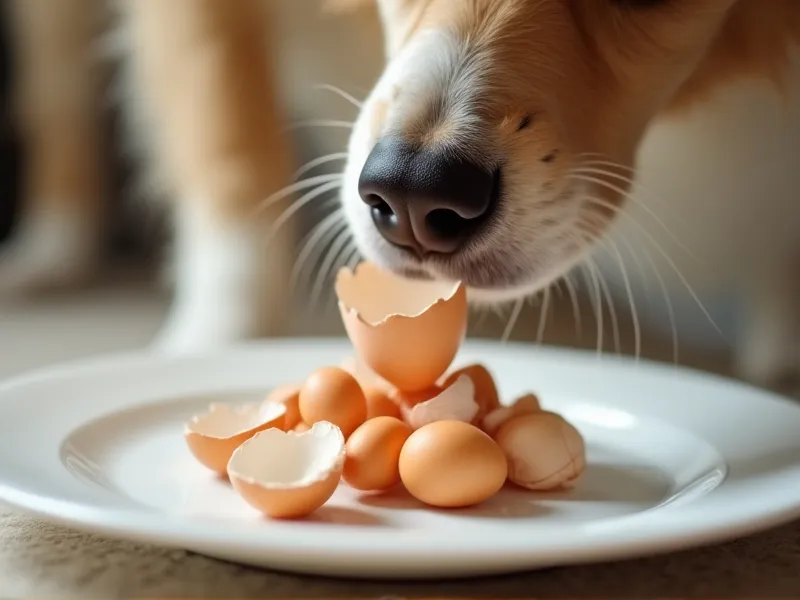
Table of Contents
- Can Dogs Eat Boiled Egg Shells? The Short Answer
- Nutritional Benefits of Boiled Egg Shells for Dogs
- Potential Risks to Watch Out For
- How to Safely Prepare Boiled Egg Shells for Your Dog
- How Much is Too Much? Serving Size Guidelines
- Healthier Alternatives to Egg Shells for Calcium
- FAQ: Your Top Questions Answered
- Conclusion: Moderation & Veterinary Guidance
Can Dogs Eat Boiled Egg Shells? The Short Answer
Yes, dogs can eat boiled egg shells—but only if they’re prepared properly and served in moderation.
Egg shells are rich in calcium, a mineral vital for your dog’s bone health, teeth, and muscle function. However, raw egg shells pose a risk of bacterial contamination (like salmonella), and improperly prepared shells can be a choking hazard or irritate your dog’s digestive tract. Boiling, drying, and crushing the shells into a fine powder eliminates these risks, turning them into a natural, budget-friendly calcium supplement.
That said, egg shells shouldn’t replace a balanced diet. Think of them as an occasional boost, not a daily staple. Let’s dive into the details!
Nutritional Benefits of Boiled Egg Shells for Dogs
Egg shells might seem like trash, but they’re actually a nutritional powerhouse—when prepared correctly. Here’s why they could benefit your pup:
1. Calcium: The Star Nutrient
Egg shells are composed of roughly 95% calcium carbonate, a form of calcium that’s easily absorbed by dogs. Calcium is critical for:
- Strong bones and teeth (especially in growing puppies and senior dogs)
- Muscle contraction and nerve function
- Blood clotting and hormone regulation
A single teaspoon of crushed egg shell powder contains about 1,800–2,000 mg of calcium—nearly half the daily recommended calcium intake for a 50-pound dog (which is around 4,000 mg/day, depending on age and activity level).
2. Trace Minerals
In addition to calcium, egg shells contain small amounts of:
- Magnesium: Supports heart health and bone density.
- Potassium: Aids in fluid balance and muscle function.
- Phosphorus: Works with calcium to build strong bones (though dogs need a calcium-to-phosphorus ratio of about 1:1 to 2:1 for optimal absorption).
3. Minimal Calories, No Added Junk
Unlike many commercial treats, egg shells are low in calories (about 10 calories per teaspoon) and contain no sugar, salt, or artificial additives. They’re a “clean” supplement for dogs on weight-management diets.
Potential Risks to Watch Out For
While boiled egg shells can be beneficial, they’re not without risks. Here’s what to avoid:
1. Choking Hazard
Whole or large pieces of egg shell are sharp and rigid, making them a choking risk—especially for small dogs or pups who gulp their food. Even if your dog chews, jagged edges can scratch their throat or damage their digestive tract.
2. Bacterial Contamination (Raw Shells)
Raw egg shells may harbor harmful bacteria like Salmonella or E. coli, which can cause vomiting, diarrhea, or more severe illness in dogs (and humans!). Boiling the shells kills these pathogens, so never feed raw egg shells to your dog.
3. Excess Calcium: A Hidden Danger
Too much calcium can be toxic. Dogs with hypercalcemia (high blood calcium levels) may develop:
- Kidney stones or kidney damage
- Constipation or gastrointestinal blockages
- Lethargy, weakness, or loss of appetite
This is especially risky for dogs with underlying health issues (e.g., kidney disease, hyperparathyroidism) or breeds prone to calcium-related conditions (like large-breed puppies, who are at risk for skeletal abnormalities if calcium levels are unbalanced).
4. Digestive Upset
Some dogs have sensitive stomachs. Even crushed egg shells, if fed in large amounts, can cause gas, bloating, or diarrhea. Start with tiny portions to test your dog’s tolerance.
How to Safely Prepare Boiled Egg Shells for Your Dog
Preparing egg shells for your dog is simple, but it requires a few key steps to maximize safety and nutrient absorption:
Step 1: Boil the Shells Thoroughly
- Place egg shells (from hard-boiled eggs) in a pot and cover with water.
- Boil for 10–15 minutes to kill bacteria like salmonella.
- Drain and let the shells cool completely.
Pro tip: Save shells from your own boiled eggs (no salt or seasonings!) to reduce waste.
Step 2: Dry the Shells
- Spread the boiled shells on a baking sheet and bake at 200°F (93°C) for 10–15 minutes, or air-dry them for 24 hours. Drying makes them crisp and easier to crush.
Step 3: Crush into a Fine Powder
- Use a blender, coffee grinder, or mortar and pestle to grind the shells into a smooth powder. The finer the powder, the lower the choking risk and the easier it is for your dog to digest.
Step 4: Store Properly
- Transfer the powder to an airtight container and store in a cool, dry place. It will stay fresh for up to 2 months.
Step 5: Serve Safely
- Mix the powder into your dog’s wet food (dry food works too, but wet food helps prevent them from inhaling the powder).
- Avoid serving plain powder, as it can irritate their nose or throat.
How Much is Too Much? Serving Size Guidelines
The golden rule: Less is more. Here’s how to portion egg shell powder based on your dog’s size:
| Dog Size | Serving Size (Per Meal) | Frequency |
|---|---|---|
| Small (≤20 lbs) | ¼ teaspoon | 2–3 times/week |
| Medium (20–50 lbs) | ½ teaspoon | 2–3 times/week |
| Large (>50 lbs) | 1 teaspoon | 2–3 times/week |
Note: Puppies, senior dogs, and dogs with health conditions may need adjusted portions. Always consult your vet first!
Healthier Alternatives to Egg Shells for Calcium
If you’re not comfortable feeding egg shells, or your dog needs a more reliable calcium source, try these alternatives:
1. Greek Yogurt or Kefir
Plain, unsweetened yogurt or kefir is packed with calcium and probiotics, which support gut health. A ¼ cup (for small dogs) to ½ cup (large dogs) makes a tasty treat.
2. Canned Sardines (in Water)
Sardines are rich in calcium (from their soft, edible bones), omega-3 fatty acids, and protein. Look for low-sodium, water-packed varieties—1–2 sardines (mashed) 2x/week is a great boost.
3. Ground Bone Meal
High-quality bone meal (from trusted brands like Stella & Chewy’s or Primal) is a concentrated calcium source. Follow the package instructions for dosage.
4. Calcium Supplements
If your dog has a calcium deficiency, your vet may recommend supplements like calcium citrate or carbonate. These are regulated for safety and precise dosing.
FAQ: Your Top Questions Answered
Q: Can puppies eat boiled egg shells?
A: Puppies need calcium for growth, but their needs are specific. Too much calcium can lead to skeletal issues (e.g., hip dysplasia in large breeds). Ask your vet before adding egg shells to their diet.
Q: My dog ate a whole, uncrushed egg shell—what should I do?
A: Monitor them for choking, gagging, or vomiting. If they seem distressed, contact your vet immediately. If they pass it without issue, they’ll likely be fine, but avoid future whole shells.
Q: Are egg shells better than calcium pills?
A: Egg shells are natural and affordable, but calcium pills are more controlled (you know exactly how much calcium your dog is getting). For dogs with health conditions, pills are often safer.
Q: Can I feed my dog egg shells every day?
A: No—daily feeding increases the risk of excess calcium. Stick to 2–3 times per week.
Conclusion: Moderation & Veterinary Guidance
Boiled egg shells can be a safe, natural source of calcium for dogs—when prepared properly. By boiling, drying, and crushing them into a fine powder, you eliminate choking and bacterial risks, turning kitchen scraps into a nutrient boost.
Remember: Every dog is different. If your pup has kidney disease, a history of calcium issues, or is on medication, always consult your vet before adding egg shells to their diet. When in doubt, stick to small portions and monitor for any adverse reactions.
At the end of the day, a little egg shell powder (mixed into their favorite wet food) could be just the thing to keep those tails wagging and bones strong. Happy feeding!
References
- American Kennel Club (AKC). “Can Dogs Eat Eggs?” akc.org
- PetMD. “Eggs for Dogs: Are They Safe?” petmd.com
- Veterinary Centers of America (VCA). “Calcium Disorders in Dogs.” vcahospitals.com
- Whole Dog Journal. “The Truth About Calcium Supplements for Dogs.” wholedogjournal.com