· 8 min read
Can Dogs Eat Boiled Chicken Bones? The Surprising Truth Every Pet Parent Needs to Know
It’s a scene many pet parents know well: You’re finishing up a home-cooked meal, and there, at your feet, is your dog—tail wagging, nose twitching, those big, hopeful eyes locked on your plate. Tonight’s menu? Boiled chicken, tender and juicy. You’re tempted to toss them a leftover bone; after all, dogs love bones, right? They’re natural chewers, and chicken bones seem small and harmless enough. But before you share, you pause: Is that boiled chicken bone actually safe for my pup?
As a pet parent, your dog’s safety is always top of mind. The internet is full of conflicting advice—some say “never!” others claim “in moderation is fine.” Today, we’re cutting through the confusion to give you the straight, science-backed truth about boiled chicken bones and dogs. We’ll cover the risks, debunk myths, share safer alternatives, and answer the questions you’re probably asking right now. Let’s dive in.
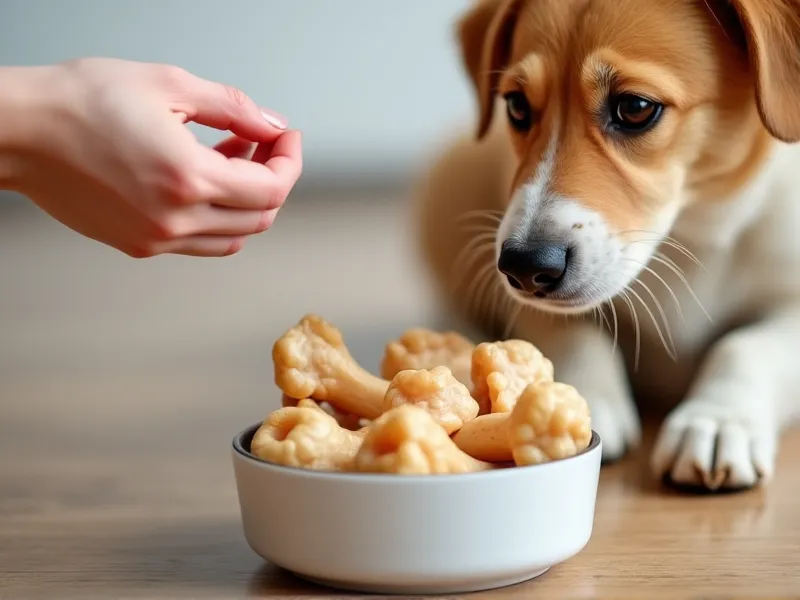
Table of Contents
- Can Dogs Eat Boiled Chicken Bones? The Short Answer
- What Pet Parents Might Think Are “Benefits” (Spoiler: They’re Not What You Think)
- The Real Risks of Boiled Chicken Bones for Dogs
- So, How Much (If Any) Boiled Chicken Bone Is Safe?
- Healthier Alternatives to Boiled Chicken Bones
- FAQ: Your Boiled Chicken Bone Questions, Answered
- Conclusion: When in Doubt, Prioritize Safety (and Ask Your Vet)
Can Dogs Eat Boiled Chicken Bones? The Short Answer
No, boiled chicken bones are not safe for dogs.
It’s a tough truth, but here’s why: When chicken bones are boiled (or cooked in any way), they lose moisture and become brittle. Unlike raw bones, which are flexible and less likely to splinter, boiled bones can shatter into sharp, tiny fragments when chewed. These fragments pose serious risks to your dog’s mouth, throat, and digestive tract—risks that far outweigh any perceived “benefit” of giving them a bone.
What Pet Parents Might Think Are “Benefits” (Spoiler: They’re Not What You Think)
You might be wondering, “But don’t bones have nutrients? Fiber? Potassium?” Let’s set the record straight:
The Meat vs. the Bone: Where the Good Stuff Lives
If your dog snags a piece of boiled chicken with meat attached, the meat itself is a great source of lean protein, vitamins (like B6 and niacin), and minerals (like selenium). That’s a healthy treat! But the bone? It’s a different story.
Do Boiled Bones Offer Nutritional Value?
Boiled bones are mostly made of calcium and phosphorus, but they’re not a safe or effective way to get these nutrients into your dog’s diet. Commercial dog foods are already fortified with the right balance of minerals, and excess calcium from bones can lead to health issues like bladder stones.
“Fiber” and “Potassium”? Not Really
Chicken bones don’t contain meaningful fiber (that’s more from veggies like pumpkin or sweet potato). As for potassium? It’s found in the meat, not the bone. So, the bone itself adds zero nutritional value—only risk.
The Real Risks of Boiled Chicken Bones for Dogs
Now, let’s get into why boiled chicken bones are so dangerous. Here are the top risks to watch for:
1. Splintering and Internal Punctures
Boiled bones are brittle, so when your dog chews them, they can break into sharp shards. These shards can slice through the soft tissues of the mouth, tongue, or gums (causing pain and bleeding). Worse, if swallowed, they can puncture the esophagus, stomach, or intestines—leading to life-threatening infections or internal bleeding.
2. Choking Hazard
Small chicken bones (like drumsticks or wing bones) are the perfect size to get stuck in a dog’s throat. Even larger pieces can lodge in the airway, blocking breathing. This is especially risky for small breeds or dogs who gulp their food without chewing.
3. Intestinal Blockages
Bone fragments that aren’t sharp enough to puncture can still clump together in the intestines, forming a blockage. Symptoms of a blockage include vomiting, diarrhea, lethargy, loss of appetite, or straining to poop. Without emergency surgery, a blockage can be fatal.
4. Stomach Upset
Even tiny bone fragments can irritate your dog’s stomach lining, leading to vomiting, diarrhea, or constipation. In severe cases, this can cause dehydration or electrolyte imbalances.
So, How Much (If Any) Boiled Chicken Bone Is Safe?
There is no “safe” amount of boiled chicken bone to feed your dog.
Even a small piece—like a fragment from a wing bone—can cause problems. Some dogs might swallow a bone and seem fine at first, but complications can develop hours or even days later. It’s simply not worth the risk.
Healthier Alternatives to Boiled Chicken Bones
If your dog loves chewing (and let’s be real, most do!), there are plenty of safe, healthy alternatives to boiled chicken bones. Here are our top picks:
1. Boneless Cooked Chicken
Skip the bone entirely! Shredded, plain boiled chicken (no salt, seasonings, or oil) is a fantastic treat. It’s high in protein, easy to digest, and most dogs go crazy for it. Just stick to small portions—about 1-2 tablespoons per 10 pounds of body weight, max.
2. Raw Meaty Bones (With Vet Approval)
Raw meaty bones (like raw chicken necks, turkey tails, or beef marrow bones) are softer and more flexible than cooked bones, making them less likely to splinter. They also help clean your dog’s teeth and provide mental stimulation.
Important: Always talk to your vet first! Raw bones carry risks of bacterial contamination (like Salmonella) and may not be safe for dogs with dental issues, pancreatitis, or immune problems. Supervise your dog while they chew, and choose bones larger than their mouth to prevent choking.
3. Dog-Safe Chew Toys
Rubber chew toys (like Kongs), nylon bones, or Himalayan yak chews are designed to satisfy your dog’s urge to gnaw without the risk of splintering. Look for toys labeled “indestructible” for power chewers, and replace them when they start to break down.
4. Frozen Treats
For a cool, chewy snack, freeze low-sodium chicken broth in ice cube trays, or stuff a Kong with plain yogurt and freeze it. It’s a great way to keep your dog entertained (and cool in summer!) without any bone-related risks.
5. Vegetable Chews
Crunchy veggies like carrots, celery, or cucumber make great low-calorie chews. They’re high in fiber, help clean teeth, and most dogs enjoy the texture. Just avoid grapes, raisins, onions, or garlic—these are toxic to dogs.
FAQ: Your Boiled Chicken Bone Questions, Answered
Q: My dog stole a boiled chicken bone off the counter! What should I do?
A: Stay calm. Don’t try to make them vomit (this can push sharp fragments further into the throat). Instead, monitor them closely for 24-48 hours for symptoms like vomiting, diarrhea, lethargy, loss of appetite, or difficulty breathing. If you notice any of these, contact your vet immediately.
Q: Are raw chicken bones safer than boiled ones?
A: Raw bones are generally safer because they’re more flexible and less likely to splinter. However, they still carry risks (choking, bacterial infection, dental damage). Always consult your vet before giving raw bones, and never leave your dog unsupervised with them.
Q: Can dogs have chicken bone broth?
A: Yes—if the broth is strained to remove all bone fragments. Bone broth is rich in nutrients like glucosamine (good for joints) and can be a tasty addition to your dog’s food. Just avoid store-bought broths with added salt, onions, or garlic.
Q: What about other cooked bones, like beef or pork?
A: All cooked bones (beef, pork, lamb, etc.) are risky for the same reason: cooking makes them brittle and prone to splintering. Stick to raw bones (with vet approval) or boneless treats instead.
Q: My dog has eaten boiled chicken bones before and been fine. Does that mean it’s safe?
A: Every dog is different, and luck doesn’t equal safety. A previous “safe” experience doesn’t guarantee the next one will be—bone fragments can cause issues even if your dog didn’t show symptoms before. It’s better to avoid the risk altogether.
Conclusion: When in Doubt, Prioritize Safety (and Ask Your Vet)
At the end of the day, your dog’s health and safety are what matter most. Boiled chicken bones might seem like a harmless treat, but the risks of splintering, choking, or internal damage are simply too high. Instead, opt for boneless chicken, raw meaty bones (with vet approval), or dog-safe chews to keep your pup happy and healthy.
If you ever have questions about what’s safe to feed your dog, don’t hesitate to reach out to your veterinarian. They know your pet’s unique needs and can give personalized advice.
Here’s to many happy, healthy snack times with your furry friend—bone-free!
References:
- American Kennel Club (AKC). “Can Dogs Eat Chicken Bones?” akc.org
- American Veterinary Medical Association (AVMA). “Pet Nutrition: What’s Best for Your Pet?” avma.org
- PetMD. “Are Chicken Bones Safe for Dogs?” petmd.com
- VCA Animal Hospitals. “Bones and Chews: Risks and Benefits.” vcahospitals.com