· 9 min read
Can Dogs Eat Boba Pearls? A Pet Parent’s Guide to This Trendy Treat
It’s a lazy Sunday afternoon, and you’re curled up on the couch with your favorite boba tea—a cold, creamy blend of milk, sweet syrup, and those chewy, satisfying tapioca pearls at the bottom. Beside you, your dog, [insert cute dog name, e.g., Luna], rests her head on your lap, her big eyes fixed on the straw in your hand. She tilts her head, as if asking, “Can I have a sip? Or maybe… just one of those squishy balls?”
If you’ve ever found yourself in this scenario, you’re not alone. Boba (also called bubble tea) has exploded in popularity, and with its fun, colorful appearance, it’s no wonder our curious pups want in on the trend. But as a responsible pet parent, you know better than to share just anything. So, the big question: Can dogs eat boba pearls?
Let’s dive in and find out—because your dog’s health (and that wagging tail) depends on it.
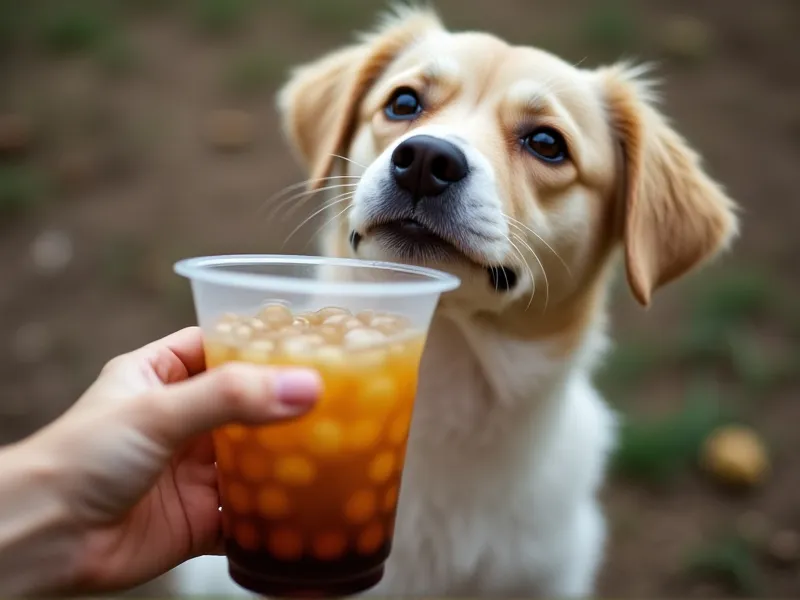
Table of Contents
- Can Dogs Eat Boba Pearls? The Short Answer
- What Are Boba Pearls, Anyway?
- Potential “Benefits” of Tapioca for Dogs (Spoiler: They’re Minimal)
- The Risks of Feeding Boba Pearls to Dogs (Why They’re Not Worth It)
- How Much Boba Is “Safe” for Dogs? (If Any)
- Healthier Alternatives to Boba for Your Pup
- FAQ: Your Boba-and-Dogs Questions, Answered
- Conclusion: Prioritize Your Dog’s Health Over the Trend
Can Dogs Eat Boba Pearls? The Short Answer
Let’s cut to the chase: Boba pearls are not recommended for dogs.
Tapioca starch—the main ingredient in boba—is technically non-toxic to dogs. But here’s the catch: Boba pearls are rarely “just” tapioca. They’re typically sweetened with sugar, syrup, or honey, and their chewy, round shape poses a choking hazard (especially for small breeds). Add in the fact that they offer zero nutritional value for dogs, and it’s clear: Boba is a human treat best kept away from your pup’s bowl.
What Are Boba Pearls, Anyway?
Before we dig into the “can they eat it” part, let’s make sure we’re all on the same page about what boba pearls are.
Boba (or “bubble tea”) originated in Taiwan in the 1980s and has since become a global phenomenon. The “pearls” are the star of the show—small, chewy balls made from tapioca starch, which comes from the root of the cassava plant (a starchy tuber native to South America).
To make boba:
- Cassava root is peeled, grated, and washed to extract starch.
- The starch is mixed with hot water to form a dough, which is rolled into tiny balls.
- The balls are boiled until they’re soft and chewy, then often soaked in sugar syrup (like brown sugar or honey) to add sweetness.
Some variations include “flavored” boba (e.g., matcha, taro, or mango), which may contain additional additives, food coloring, or flavorings. And of course, boba is almost always served in a tea-based drink, often with milk (dairy or plant-based) and extra sweeteners.
Potential “Benefits” of Tapioca for Dogs (Spoiler: They’re Minimal)
Tapioca starch itself isn’t toxic to dogs, so you might wonder: Is there any upside to sharing a pearl or two? Let’s break down the nutrients in tapioca to see if it offers any value for your pup.
1. Fiber: A Tiny Boost, But Not Enough
Tapioca contains a small amount of dietary fiber (about 1 gram per 100 grams of cooked tapioca). Fiber is important for dogs’ digestive health, helping to regulate bowel movements and keep their gut microbiome happy.
But here’s the problem: Dogs need high-quality fiber from sources like pumpkin, sweet potatoes, or leafy greens—foods that also pack vitamins, minerals, and antioxidants. Tapioca’s fiber is minimal and “empty” by comparison. Your dog would need to eat a lot of tapioca to get any meaningful fiber boost, and that would come with a truckload of sugar (more on that later).
2. Potassium: A Trace Mineral
Tapioca also has a small amount of potassium, an electrolyte that helps regulate heart function, muscle contractions, and fluid balance in dogs. Again, though, this is negligible. A 100-gram serving of tapioca has about 26 mg of potassium—compare that to a banana (422 mg per 100 grams) or a sweet potato (337 mg per 100 grams), which are far better sources.
In short: Tapioca’s “benefits” are so minimal, they’re not worth the risks.
The Risks of Feeding Boba Pearls to Dogs (Why They’re Not Worth It)
Now, let’s get to the real concern: the risks of letting your dog munch on boba pearls. These far outweigh any tiny nutritional perks.
1. Sugar Overload: Empty Calories and Long-Term Harm
Most boba pearls are soaked in sugar syrup, which means they’re loaded with added sugar. Even “unsweetened” boba may have residual sugar from processing.
Dogs don’t need sugar in their diet. In fact, excess sugar can lead to:
- Obesity: Extra calories from sugar quickly add up, and obesity in dogs increases the risk of diabetes, joint pain, and heart disease.
- Dental issues: Sugar feeds harmful bacteria in your dog’s mouth, leading to plaque, tartar, and cavities (yes, dogs get cavities too!).
- Energy spikes and crashes: Just like humans, dogs can experience hyperactivity followed by lethargy after eating sugar.
- Diabetes: Chronic sugar intake raises the risk of insulin resistance, which can lead to diabetes in dogs (a serious, lifelong condition).
2. Choking Hazard: Small, Round, and Chewy
Boba pearls are small, round, and squishy—perfect for getting stuck in a dog’s throat. This is especially dangerous for:
- Small breeds (e.g., Chihuahuas, Yorkies, Pomeranians), whose airways are narrower.
- Puppies, who may gulp down food without chewing properly.
- Senior dogs with dental issues or reduced swallowing reflexes.
If a boba pearl lodges in your dog’s throat, it can block their airway, leading to choking. Signs of choking include pawing at the mouth, gagging, difficulty breathing, or blue gums. This is a medical emergency—if you suspect choking, contact your vet or an emergency clinic immediately.
3. Stomach Upset: Gas, Bloating, and Diarrhea
Tapioca starch is a high-glycemic carbohydrate, meaning it’s quickly broken down into sugar in the gut. For dogs, who evolved to eat a protein-rich diet, this can disrupt their digestive system.
Eating boba pearls may cause:
- Gas and bloating: The starch ferments in the gut, producing excess gas.
- Diarrhea or constipation: Too much starch can throw off your dog’s bowel movements, leading to loose stools or hard, dry ones.
- Upset stomach: Some dogs may vomit if they eat a large amount of boba, especially if it’s sweetened with syrup.
4. Hidden Additives: More Than Just Tapioca
Remember, boba pearls are rarely plain tapioca. Many are flavored with:
- Artificial sweeteners: While rare, some boba syrups may contain xylitol—a sugar substitute that’s extremely toxic to dogs (even small amounts can cause liver failure).
- Food coloring: Most boba is brown (from brown sugar), but colored varieties (e.g., green matcha or purple taro) may use artificial dyes, which have no nutritional value and could trigger allergies in sensitive dogs.
- Preservatives: Some store-bought boba may contain preservatives to extend shelf life, which can irritate your dog’s gut.
5. The “Boba Drink” Danger: Tea and Milk
Even if you avoid the pearls, the drink itself is risky for dogs. Boba tea is usually made with:
- Caffeine: Black, green, or oolong tea contains caffeine, which is toxic to dogs. Symptoms of caffeine poisoning include restlessness, rapid breathing, heart palpitations, and even seizures.
- Milk: Dairy milk can cause digestive upset in many dogs, who are lactose intolerant (they lack the enzyme lactase to break down milk sugar). Plant-based milks (soy, almond, oat) are less risky but still often sweetened with sugar.
How Much Boba Is “Safe” for Dogs? (If Any)
Let’s be real: Accidents happen. Maybe your dog stole a pearl off the floor, or you gave in to those puppy eyes and shared a tiny piece. What then?
If your dog ate 1-2 plain tapioca pearls (unsweetened, no additives): They’ll probably be fine. Monitor them for signs of stomach upset (gas, diarrhea) but don’t panic.
If your dog ate a handful of sweetened boba or drank boba tea: This is more concerning. Watch for vomiting, diarrhea, restlessness, or difficulty breathing (signs of sugar overload or caffeine toxicity). Contact your vet if you notice any of these symptoms.
As a general rule: Don’t feed boba to your dog intentionally. There’s no nutritional benefit, and the risks (choking, sugar, additives) far outweigh any “cuteness factor” of sharing your treat.
Healthier Alternatives to Boba for Your Pup
Instead of boba, treat your dog to these safe, nutritious snacks that are just as fun (and way better for them):
1. Frozen Pumpkin Bites
Freeze small spoonfuls of plain, canned pumpkin (not pie filling!) for a cool, fiber-rich treat. Pumpkin is great for digestion and low in calories.
2. Blueberries
These tiny “superfoods” are packed with antioxidants, vitamins, and fiber. Toss a few in your dog’s bowl or freeze them for a summer snack.
3. Carrot Sticks
Crunchy, low-calorie, and full of beta-carotene (which supports eye health). Raw or steamed carrots make a great chew toy alternative.
4. Sweet Potato Chews
Slice sweet potatoes into thin strips, bake until crispy, and you’ve got a homemade, chewy treat that’s high in fiber and vitamins A and C.
5. Plain Yogurt Drops
Freeze plain, unsweetened Greek yogurt (lactose-free, if your dog is sensitive) into small drops for a creamy, protein-rich snack.
FAQ: Your Boba-and-Dogs Questions, Answered
Q: My dog ate a whole cup of boba—what should I do?
A: Call your vet immediately. A large amount of sugar can cause pancreatitis (inflammation of the pancreas) in dogs, which is painful and potentially life-threatening. If the boba was in tea, mention the caffeine risk too.
Q: Is tapioca itself toxic to dogs?
A: No, tapioca starch is non-toxic. The problem is the sugar, shape, and additives in boba pearls, not the tapioca itself.
Q: Can dogs have “sugar-free” boba?
A: Avoid it! “Sugar-free” often means artificial sweeteners like xylitol, which is toxic to dogs. Always check the ingredients.
Q: Are there any boba-like treats made for dogs?
A: Some pet brands make “chewy” treats with safe ingredients like pumpkin or sweet potato. Look for products labeled “dog-safe” and check with your vet before trying new treats.
Q: My dog loves chewy snacks—what’s a safe alternative to boba?
A: Try dental chews (like Greenies), bully sticks, or dried sweet potato slices. These are designed to be chewy and safe for dogs.
Conclusion: Prioritize Your Dog’s Health Over the Trend
Boba pearls are a fun, indulgent treat for humans—but they’re not meant for our furry friends. While tapioca itself isn’t toxic, the sugar, choking risk, and lack of nutrition make boba a poor choice for dogs.
Instead of sharing your boba, opt for safe, healthy snacks that support your dog’s well-being. And if you’re ever unsure about a human food, always check with your vet first.
After all, a happy dog is one with a balanced diet, plenty of playtime, and a tail that wags for their own special treats—not yours.
References
- American Society for the Prevention of Cruelty to Animals (ASPCA). “People Foods to Avoid Feeding Your Pets.” aspca.org/pet-care/animal-poison-control/people-foods-avoid-feeding-your-pets
- PetMD. “Can Dogs Eat Tapioca?” petmd.com/dog/nutrition/can-dogs-eat-tapioca
- American Kennel Club (AKC). “Human Foods Dogs Can and Can’t Eat.” akc.org/expert-advice/nutrition/human-foods-dogs-can-and-cant-eat
- VCA Hospitals. “Caffeine Toxicity in Dogs.” vcahospitals.com/know-your-pet/caffeine-toxicity-in-dogs