· 9 min read
Can Dogs Eat Blueberry Pie? A Pet Parent’s Guide to Sharing Sweet Treats Safely
Picture this: It’s a lazy Sunday afternoon, and you’ve just baked a scrumptious blueberry pie. The crust is golden, the filling is bubbling with juicy berries, and the scent is enough to make your mouth water. As you slice into it, you feel a gentle nudge at your ankle—your dog, tail wagging, nose twitching, staring up at you with those irresistible “please share” eyes.
We’ve all been there. Our dogs are part of the family, and it’s natural to want to include them in life’s little joys—like a bite of pie. But before you hand over a crumb, you might wonder: Is blueberry pie safe for dogs? Can those sweet, tangy berries and flaky crust do more harm than good?
In this guide, we’ll break down everything you need to know about blueberry pie and your pup—from the benefits of blueberries to the hidden risks in that slice of pie, plus healthier alternatives to satisfy their cravings. Let’s dive in!
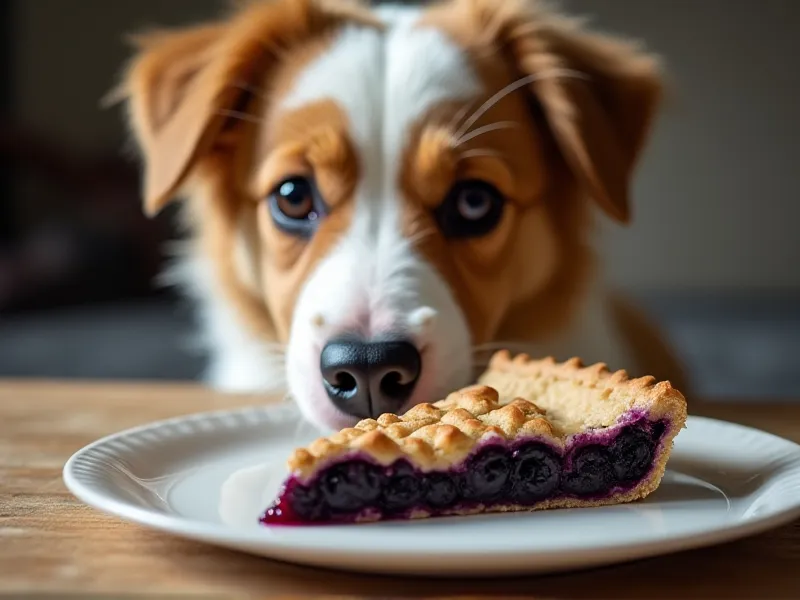
Table of Contents
- Can Dogs Eat Blueberry Pie? The Short Answer
- The Breakdown: Benefits of Blueberries for Dogs
- The Risks: Why Blueberry Pie Isn’t Ideal for Dogs
- How Much Blueberry Pie Is Safe for Dogs?
- Healthier Alternatives to Blueberry Pie
- FAQ: Your Blueberry Pie & Dog Questions Answered
- Conclusion: Prioritize Your Pup’s Health (With a Side of Sweetness)
- References
Can Dogs Eat Blueberry Pie? The Short Answer
Yes, but only in tiny, occasional bites—and even then, it’s not recommended.
Blueberries themselves are packed with nutrients and safe for dogs (in fact, they’re often called a “superfood” for pups!). But blueberry pie? That’s a different story. The pie’s other ingredients—like sugar, butter, flour, and sometimes spices—can pose risks to your dog’s health. So while a tiny crumb here and there is unlikely to harm them, sharing a slice (or even a large bite) could lead to stomach upset, weight gain, or worse.
The Breakdown: Benefits of Blueberries for Dogs
Before we dive into the risks of pie, let’s celebrate the star of the show: blueberries! These little berries are a nutritional powerhouse for dogs, and there’s a reason vets often recommend them as a healthy treat. Here’s why blueberries are great for your pup:
1. Rich in Antioxidants
Blueberries are loaded with antioxidants like anthocyanins, which help fight free radicals in your dog’s body. Free radicals can damage cells over time, contributing to aging and diseases like cancer. The antioxidants in blueberries may support your dog’s immune system and overall longevity, according to the American Kennel Club (AKC) (1).
2. High in Fiber
Fiber is essential for a healthy digestive system, and blueberries deliver! A small handful of blueberries provides soluble fiber, which can help regulate your dog’s bowel movements and keep their gut microbiome happy. This is especially helpful for dogs with occasional constipation or digestive sensitivity (2).
3. Packed with Vitamins & Minerals
Blueberries are a good source of:
- Vitamin C: Supports collagen production, skin health, and immune function.
- Vitamin K: Important for blood clotting and bone health.
- Potassium: Helps regulate heart rate and muscle function.
These nutrients are key for maintaining your dog’s energy levels, strong bones, and overall vitality (3).
4. Low in Calories (When Served Plain!)
Unlike many human treats, blueberries are low in calories and sugar (when fresh and unprocessed). A 1/4 cup of blueberries has only about 19 calories, making them a great option for dogs on a weight management plan. Just be sure to serve them plain—no added sugar or syrups! (4).
The Risks: Why Blueberry Pie Isn’t Ideal for Dogs
Now, let’s talk about the other ingredients in blueberry pie—the ones that turn a healthy berry into a risky treat. Here’s why blueberry pie is far from ideal for your dog:
1. Added Sugar: A Recipe for Weight Gain & Disease
Most blueberry pie recipes call for cups of sugar (white sugar, brown sugar, or even honey). Dogs don’t need sugar in their diet, and excess sugar can lead to:
- Obesity: Extra calories from sugar quickly add up, and obesity in dogs increases the risk of diabetes, joint pain, and heart disease.
- Dental Issues: Sugar feeds harmful bacteria in your dog’s mouth, leading to plaque, tartar, and cavities.
- Pancreatitis: While rare, a sudden influx of sugar (or fat) can trigger pancreatitis—a painful inflammation of the pancreas that requires emergency vet care (5).
Even “sugar-free” pies can be dangerous if they contain xylitol, an artificial sweetener toxic to dogs. Xylitol causes a rapid release of insulin in dogs, leading to life-threatening hypoglycemia (low blood sugar). Always check the label for xylitol if you’re unsure (6).
2. The Crust: Fat, Flour, and Choking Hazards
Pie crust is typically made with butter, shortening, or oil—all high in fat. Fatty foods can upset your dog’s stomach, causing vomiting or diarrhea. In severe cases, a high-fat meal (like a chunk of buttery crust) can lead to pancreatitis, as mentioned earlier (5).
Additionally, the crust is dry and crumbly, which poses a choking hazard—especially for small dogs or those who gulp their food. A large piece of crust could get stuck in your dog’s throat or cause an intestinal blockage, which may require surgery to remove (7).
3. Dairy (If Included in the Filling)
Some blueberry pie recipes add milk, cream, or even cream cheese to the filling for extra richness. Most dogs are lactose intolerant, meaning they lack the enzyme (lactase) needed to digest lactose (the sugar in dairy). Feeding dairy to a lactose-intolerant dog can cause gas, bloating, diarrhea, or stomach cramps (8).
4. Spices: Cinnamon, Nutmeg, and More
While a pinch of cinnamon is generally safe for dogs, other spices sometimes used in pie (like nutmeg) can be toxic. Nutmeg contains myristicin, a compound that, in large doses, can cause hallucinations, seizures, or liver damage in dogs. Even small amounts of nutmeg may irritate your dog’s stomach (9).
How Much Blueberry Pie Is Safe for Dogs?
If you’re tempted to share a tiny bite of blueberry pie with your dog, here’s the golden rule: Less is always more.
- Small dogs (under 20 lbs): A tiny crumb (about the size of your thumbnail) is all they need. Any more could upset their stomach.
- Medium dogs (20–50 lbs): A bite the size of a dime is maximum.
- Large dogs (50+ lbs): A bite the size of a quarter might be okay, but even then, proceed with caution.
Remember: This is a “once in a blue moon” scenario, not a regular treat. If your dog has health issues (like diabetes, pancreatitis, or obesity), skip the pie entirely and opt for plain blueberries instead.
Healthier Alternatives to Blueberry Pie
Instead of sharing pie, treat your dog to these blueberry-based snacks that are safe, delicious, and packed with nutrients:
1. Fresh or Frozen Blueberries
The simplest option! Wash a handful of fresh blueberries and serve them as a snack. In summer, freeze them for a cool, refreshing treat—perfect for hot days or teething puppies. Just make sure to portion them:
- Small dogs: 2–3 blueberries
- Medium dogs: 5–7 blueberries
- Large dogs: 10–12 blueberries
2. Blueberry “Pup Pie” (Homemade & Dog-Safe!)
Craving to bake for your dog? Try this easy, no-sugar recipe:
- Crust: Mix 1 cup oat flour, 1/4 cup mashed banana, and 2 tbsp water. Press into a small dish and bake at 350°F for 10 minutes.
- Filling: Mash 1/2 cup blueberries with 1 tbsp plain Greek yogurt (lactose-free, if possible). Spread over the crust and freeze for 30 minutes.
Your dog will love this cool, creamy, and healthy “pie”!
3. Blueberry Dog Treats
Blend blueberries into homemade dog treats! Try mixing 1 cup whole wheat flour, 1/2 cup blueberries, 1 egg, and 1/4 cup water. Roll into small balls, bake at 350°F for 15–20 minutes, and let cool. Store in the fridge for up to a week (10).
FAQ: Your Blueberry Pie & Dog Questions Answered
Q: Can puppies eat blueberry pie?
A: Puppies have sensitive digestive systems, so it’s best to avoid pie entirely. Their tummies can’t handle sugar, fat, or spices, and a tiny bite could lead to diarrhea or discomfort. Stick to plain blueberries (in very small amounts) once they’re over 6 months old.
Q: My dog stole a whole slice of blueberry pie! What should I do?
A: Don’t panic, but monitor them closely. Symptoms like vomiting, diarrhea, lethargy, or loss of appetite may appear within 2–12 hours. If you notice any of these, contact your vet immediately—especially if your dog is small, elderly, or has health issues.
Q: Is the blueberry filling safer than the crust?
A: The filling has less fat than the crust but is still high in sugar. Neither is ideal, but the crust is riskier due to its fat content and choking hazard.
Q: Can dogs eat blueberry pie with gluten-free crust?
A: Gluten-free crusts (made with rice flour, almond flour, etc.) are still high in fat and calories, so they’re not safer. The sugar and spices are still problematic, too.
Conclusion: Prioritize Your Pup’s Health (With a Side of Sweetness)
At the end of the day, blueberry pie is a human treat—not a doggy one. While blueberries themselves are a wonderful, healthy snack, the sugar, fat, and other ingredients in pie make it a risky choice for your furry friend.
Instead of sharing pie, bond with your dog over a handful of fresh blueberries, a homemade pup pie, or a walk in the park. And if you ever have questions about a new food, always consult your vet—they know your dog’s health best.
Your dog loves you unconditionally, and the best way to return that love is by keeping them happy, healthy, and safe. Now, go enjoy your pie—and maybe toss your pup a blueberry as a little “you’re my favorite” reward. 😊
References
- American Kennel Club (AKC). “Can Dogs Eat Blueberries?” akc.org/expert-advice/nutrition/can-dogs-eat-blueberries
- PetMD. “Blueberries for Dogs: Benefits & How to Serve.” petmd.com/dog/nutrition/can-dogs-eat-blueberries
- ASPCA. “Toxic and Non-Toxic Plants: Blueberry.” aspca.org/pet-care/animal-poison-control/toxic-and-non-toxic-plants/blueberry
- Hill’s Pet Nutrition. “Can Dogs Eat Blueberries?” hillspet.com/dog-care/nutrition-feeding/can-dogs-eat-blueberries
- VCA Hospitals. “Pancreatitis in Dogs.” vcahospitals.com/know-your-pet/pancreatitis-in-dogs
- ASPCA. “Xylitol Toxicity in Dogs.” aspca.org/pet-care/animal-poison-control/xylitol
- PetMD. “Choking Hazards for Dogs.” petmd.com/dog/safety/choking-hazards-dogs
- AKC. “Can Dogs Drink Milk?” akc.org/expert-advice/nutrition/can-dogs-drink-milk
- Pet Poison Helpline. “Nutmeg Toxicity in Dogs.” petpoisonhelpline.com/poison/nutmeg
- The Spruce Pets. “Homemade Blueberry Dog Treats Recipe.” thesprucepets.com/blueberry-dog-treats-recipe-551935