· 10 min read
Can Dogs Eat Blue Corn Tortilla Chips? A Pet Parent’s Guide to Safe Snacking
It’s a lazy Sunday afternoon, and you’re curled up on the couch with a bowl of crispy, salty blue corn tortilla chips. Suddenly, a pair of big, pleading eyes lock onto yours—your dog, tail thumping, nose twitching, clearly hoping for a share of the snack. “Just one tiny chip can’t hurt, right?” you think. But before you hand over that crunchy bite, let’s get to the bottom of a common pet parent question: Can dogs eat blue corn tortilla chips?
In this guide, we’ll break down the safety, benefits, and risks of sharing blue corn tortilla chips with your pup. We’ll also cover how much (if any!) is safe, healthier alternatives, and answer your most pressing FAQs. Let’s dive in—your dog’s tummy (and tail) will thank you!
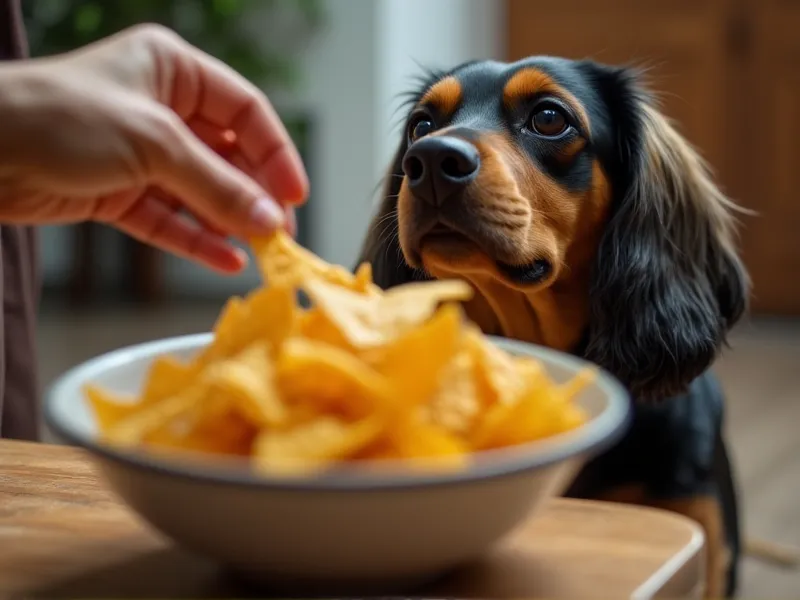
Table of Contents
- Can Dogs Eat Blue Corn Tortilla Chips? The Short Answer
- Potential Benefits of Blue Corn Tortilla Chips for Dogs
- Antioxidants from Blue Corn
- Fiber for Digestive Health
- Trace Nutrients Like Potassium
- Potential Risks: Why Blue Corn Tortilla Chips Aren’t Ideal
- High Sodium: A Hidden Danger
- Added Sugars, Fats, and Toxic Ingredients
- Choking and Digestive Upset
- Pancreatitis Risk from Fried Fats
- How Much Blue Corn Tortilla Chips Can Dogs Safely Eat?
- Healthier Alternatives to Blue Corn Tortilla Chips
- FAQ: Your Burning Questions Answered
- Conclusion: Prioritize Your Pup’s Health
- References
1. Can Dogs Eat Blue Corn Tortilla Chips? The Short Answer
Yes, but only in tiny, occasional amounts—and even then, they’re not a “good” treat.
Blue corn tortilla chips aren’t toxic to dogs, but they’re highly processed and often loaded with salt, fat, and other additives that can harm your pup. Plain, unsalted, unflavored blue corn tortilla chips are the “safest” option, but even these offer little nutritional value compared to whole, dog-friendly foods.
Think of them like junk food for dogs: a single chip here or there might not cause harm, but regular or large servings could lead to health issues. When in doubt, skip the chips and reach for a healthier snack instead.
2. Potential Benefits of Blue Corn Tortilla Chips for Dogs
At first glance, blue corn might sound “healthier” than white or yellow corn—and in some ways, it is! Blue corn contains unique nutrients thanks to its deep blue-purple color. However, these benefits are minimal in tortilla chips, which are fried, processed, and often stripped of key nutrients. Here’s what you need to know:
Antioxidants from Blue Corn
Blue corn gets its vibrant hue from anthocyanins—powerful antioxidants that fight inflammation and cell damage. Studies (like this one from the Journal of Agricultural and Food Chemistry) show blue corn has 2–3 times more anthocyanins than yellow corn. For dogs, antioxidants support immune health and may reduce the risk of chronic diseases.
But here’s the catch: Most of these antioxidants are lost during the chip-making process. Frying and processing break down anthocyanins, leaving little behind in the final product. Your dog would get far more antioxidants from fresh blueberries or sweet potatoes than from a chip.
Fiber for Digestive Health
Corn (including blue corn) is a source of dietary fiber, which helps keep your dog’s digestive system regular. A single blue corn tortilla chip has about 0.5 grams of fiber—but again, this is a tiny amount. For context, a medium-sized dog needs 2–4 grams of fiber per day. You’d have to feed dozens of chips to meet that need, which is dangerous (more on that later).
Trace Nutrients Like Potassium
Blue corn also contains small amounts of potassium, a mineral that supports heart health, muscle function, and blood pressure regulation. But once again, the quantity in chips is negligible. A banana (a dog-safe fruit!) has 422mg of potassium per 100g, while a serving of blue corn chips has just 60–80mg. Your dog would benefit far more from a slice of banana than a handful of chips.
Bottom line: The “benefits” of blue corn tortilla chips are so small they’re barely worth mentioning. Save the antioxidants and fiber for whole foods your dog will love—like steamed broccoli or pumpkin.
3. Potential Risks: Why Blue Corn Tortilla Chips Aren’t Ideal
The risks of blue corn tortilla chips far outweigh any minor benefits. Let’s break down the biggest dangers:
High Sodium: A Hidden Danger
Salt is the #1 concern with tortilla chips. Most commercial chips contain 100–200mg of sodium per ounce (about 10–15 chips). To put that in perspective:
- A small dog (e.g., Chihuahua, Yorkie) needs only 100mg of sodium per day.
- A medium dog (e.g., Beagle, Cocker Spaniel) needs 200–300mg per day.
- A large dog (e.g., Labrador, German Shepherd) needs 300–500mg per day.
A single ounce of chips could hit or exceed your small dog’s entire daily sodium limit! Too much salt causes sodium ion poisoning, which leads to symptoms like:
- Excessive thirst and urination
- Vomiting or diarrhea
- Lethargy or confusion
- Seizures (in severe cases)
Dogs with kidney disease, heart issues, or high blood pressure are even more sensitive to salt and should never eat chips.
Added Sugars, Fats, and Toxic Ingredients
Many tortilla chips (especially flavored ones) include:
- Sugar or artificial sweeteners: Some brands add sugar for flavor, while “low-sodium” chips may use xylitol (a sugar substitute toxic to dogs that causes rapid insulin release and liver failure).
- Spices and seasonings: Chips labeled “nacho,” “ranch,” or “spicy” often contain garlic, onion, or chili powder. Garlic and onion are toxic to dogs (they damage red blood cells), while chili powder can irritate their stomachs.
- Trans fats: Some chips use partially hydrogenated oils, which raise bad cholesterol and increase heart disease risk.
Choking and Digestive Upset
Tortilla chips are hard, dry, and crunchy—perfect for cracking into sharp pieces that can choke small dogs or get stuck in their throats. Even if they swallow the chip, the dry, fibrous texture can irritate the digestive tract, leading to:
- Gas or bloating
- Diarrhea (especially in dogs with sensitive stomachs)
- Constipation (if large pieces block the intestines)
Pancreatitis Risk from Fried Fats
Most tortilla chips are fried in oil, making them high in fat (about 7–10g of fat per ounce). Dogs can’t digest large amounts of fat well, and a fatty meal or treat can trigger pancreatitis—a painful, potentially life-threatening condition where the pancreas becomes inflamed. Symptoms include vomiting, abdominal pain, and loss of appetite.
Pancreatitis is more common in overweight dogs, but even healthy pups can develop it after eating high-fat foods like chips.
4. How Much Blue Corn Tortilla Chips Can Dogs Safely Eat?
If you must share a chip with your begging pup, follow these strict guidelines:
- Size matters: A Chihuahua gets 1 tiny chip (broken into pieces). A Great Dane might handle 2–3 small chips. Err on the side of “less than you think.”
- Frequency: Once a month, tops. Chips should never be a regular treat.
- Only plain, unsalted chips: No flavors, no salt, no additives. Check the ingredient list for “blue corn, oil” (and nothing else).
- Avoid if your dog has health issues: Skip chips entirely if your pup has diabetes, kidney disease, pancreatitis, or a sensitive stomach.
Pro tip: If your dog begs while you’re snacking, distract them with a toy or a healthy treat (like a carrot stick) instead of giving in.
5. Healthier Alternatives to Blue Corn Tortilla Chips
Your dog deserves treats that are nutritious, not just “not toxic.” Here are 7 dog-safe alternatives that are crunchy, tasty, and good for them:
1. Plain, Unfried Blue Corn Tortillas
Swap fried chips for a small piece of raw or lightly toasted blue corn tortilla. It’s lower in fat, salt, and calories, and retains more fiber and nutrients from the blue corn. Just break it into small pieces to avoid choking.
2. Steamed Sweet Potato Slices
Sweet potatoes are packed with fiber, vitamins A and C, and antioxidants—plus, they’re naturally sweet, so dogs love them! Slice a sweet potato into thin rounds, steam until tender-crisp, and let cool.
3. Carrot Sticks
Crunchy, low-calorie, and full of beta-carotene (which supports eye health), carrot sticks are a classic dog favorite. They’re also great for teething puppies!
4. Green Beans (Fresh or Steamed)
Green beans are high in fiber and vitamins K and C, with almost no calories. Serve them raw (chopped) or steamed for a soft, easy-to-digest treat.
5. Apple Slices (No Seeds!)
Apples are a sweet, crunchy source of fiber and vitamin C. Just remove the core and seeds (which contain small amounts of cyanide) and slice into wedges.
6. Blueberries
Tiny, nutrient-dense blueberries are loaded with antioxidants (like the anthocyanins in blue corn!) and fiber. They’re perfect for training treats or a cool summer snack.
7. Pumpkin (Plain, Canned)
Plain, unsweetened pumpkin is a digestive superfood for dogs. It’s high in fiber and helps soothe upset tummies. Freeze spoonfuls for a cold, creamy treat.
6. FAQ: Your Burning Questions Answered
Q: Can puppies eat blue corn tortilla chips?
A: Puppies have sensitive digestive systems, so it’s best to avoid chips entirely. Their tummies can’t handle salt, fat, or processed foods as well as adult dogs, and even a small chip could cause diarrhea or stomach upset.
Q: My dog ate a whole bag of blue corn tortilla chips! What should I do?
A: Stay calm, but monitor your dog closely. Symptoms to watch for include vomiting, diarrhea, excessive thirst, lethargy, or abdominal pain. If you notice any of these, call your vet immediately—large amounts of salt or fat can lead to pancreatitis or sodium poisoning.
Q: Are blue corn tortilla chips better than regular (white/yellow) tortilla chips for dogs?
A: Slightly, but not by much. Blue corn has more antioxidants and fiber than white corn, but both are processed into chips that are high in salt and fat. The difference in nutrients is minimal compared to the risks of the chips themselves.
Q: Can dogs with diabetes eat blue corn tortilla chips?
A: No. Chips are high in carbohydrates and often contain hidden sugars, which can spike blood sugar levels. Dogs with diabetes need strict, vet-approved diets—stick to low-carb treats like green beans or pumpkin.
Q: What if my dog is begging for a chip—can I give them just one?
A: If it’s plain, unsalted, and your dog is healthy, a single chip is unlikely to harm them. But ask yourself: Is satisfying their begging worth the risk of forming a habit? It’s better to redirect them with a healthy treat instead!
7. Conclusion: Prioritize Your Pup’s Health
Blue corn tortilla chips might seem harmless, but they’re a processed, nutrient-poor snack that can pose real risks to your dog—from sodium poisoning to pancreatitis. While an occasional tiny chip won’t hurt most healthy dogs, there are so many better options out there (like sweet potatoes or blueberries) that are both safe and nutritious.
When in doubt, always consult your vet before sharing human food with your dog—especially if they have health issues like kidney disease, diabetes, or pancreatitis. Your vet can help you choose treats that fit their unique needs.
At the end of the day, your dog loves you not for the chips, but for the love and care you give them. So skip the junk food, grab a carrot stick, and enjoy snack time the healthy way—together!
8. References
- American Kennel Club (AKC). “Human Foods Dogs Can and Can’t Eat.” akc.org
- PetMD. “Salt Toxicity in Dogs.” petmd.com
- FDA. “Xylitol: A Sweetener That’s Toxic to Dogs.” fda.gov
- Journal of Agricultural and Food Chemistry. “Anthocyanin Content and Antioxidant Capacity of Blue Corn (Zea mays L.) Compared to Yellow Corn.”
- VCA Hospitals. “Pancreatitis in Dogs.” vcahospitals.com