· 7 min read
Can Dogs Eat Black Beans? A Pet Parent’s Guide to Safe Snacking
It’s Taco Tuesday, and you’re scooping warm, seasoned black beans into a bowl. Beside you, your pup sits patiently, tail thumping, those big eyes begging for a taste. You pause—are black beans safe for dogs? As pet parents, we’ve all been there: wanting to share our favorite foods with our furry family members but worrying if they’ll cause harm.
Black beans are a pantry staple for many of us—packed with fiber, protein, and nutrients. But when it comes to our dogs, not all human foods are created equal. Let’s dive into the details: Are black beans a healthy treat for your pup, or should they stay off the menu?
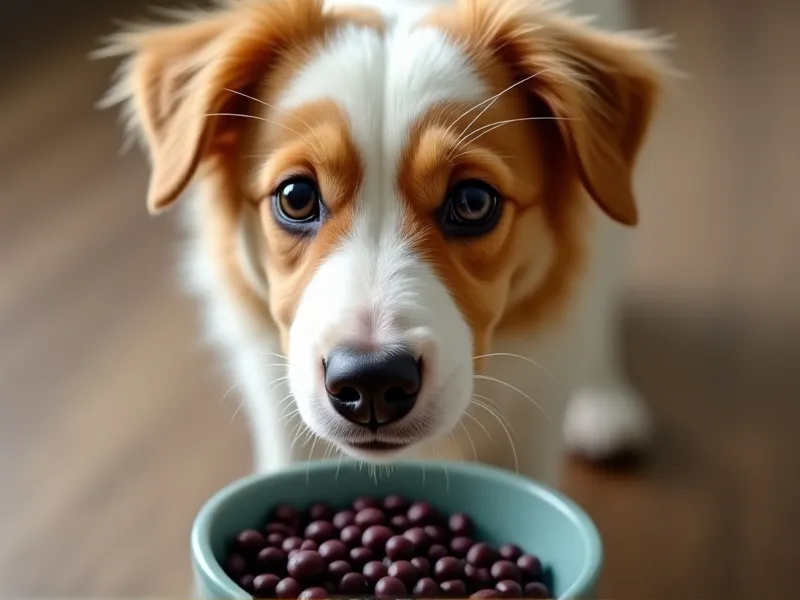
Table of Contents
- Can Dogs Eat Black Beans? The Short Answer
- Nutritional Benefits of Black Beans for Dogs
- Potential Risks to Watch For
- How Much Black Bean Is Safe for Dogs?
- Healthier Alternatives to Black Beans
- FAQ: Your Black Bean Questions Answered
- Conclusion: Moderation Is Key
- References
Can Dogs Eat Black Beans? The Short Answer
Yes, dogs can eat black beans—but in moderation, and with a few important caveats. Plain, cooked black beans are non-toxic and can even offer some health benefits for most dogs. However, they should never replace your dog’s balanced, vet-approved diet, and certain preparations (like raw, seasoned, or canned with added salt/sugar) can be harmful.
Nutritional Benefits of Black Beans for Dogs
Black beans are a nutrient-dense food, and when prepared safely, they can be a healthy occasional treat. Here’s why they might benefit your pup:
1. Plant-Based Protein for Muscle Health
Black beans are rich in plant-based protein (about 15 grams per cup, cooked), which helps support muscle maintenance and repair. While dogs are primarily carnivores, they can digest and use plant proteins—making black beans a great option for adding a little extra protein to their diet (especially for dogs with allergies to animal proteins, though always check with your vet first).
2. Fiber for Digestive Health
Fiber is a star nutrient in black beans: a single cup contains around 15 grams of dietary fiber. For dogs, fiber helps regulate digestion by:
- Promoting regular bowel movements (goodbye, constipation!).
- Supporting a healthy gut microbiome (the “good bacteria” in their gut).
- Slowing the absorption of sugar, which can help dogs with diabetes maintain stable blood sugar levels (again, consult your vet if your dog has diabetes).
3. Essential Vitamins and Minerals
Black beans are packed with key nutrients dogs need:
- Iron: Helps transport oxygen in the blood (important for energy levels!).
- Potassium: Supports heart health, muscle function, and nerve signaling.
- Folate (B9): Aids in cell repair and red blood cell production.
- Magnesium: Supports bone health and enzyme function.
4. Low in Fat and Calories (When Prepared Plain)
Unlike many processed dog treats, plain black beans are low in fat and calories (about 227 calories per cup, cooked). This makes them a smart choice for dogs watching their weight—just be sure to factor them into your pup’s daily calorie limit!
Potential Risks to Watch For
While black beans can be beneficial, they’re not without risks—especially if fed improperly or in excess. Here’s what to avoid:
1. Raw Black Beans: Toxic Lectins
Never feed your dog raw black beans. Raw beans (and many raw legumes) contain lectins, a type of protein that can be toxic to dogs. Lectins can cause vomiting, diarrhea, and even damage the intestinal lining if ingested in large amounts. Always cook black beans thoroughly before sharing—boiling or pressure-cooking breaks down lectins, making them safe.
2. Added Sugars, Salt, or Seasonings
Canned black beans, pre-seasoned beans, or beans cooked with garlic, onion, or spices are a big no-no. Many canned varieties are packed with sodium (up to 460mg per cup!) to extend shelf life, which can lead to dehydration, high blood pressure, or kidney strain in dogs. Sugar, too, is harmful—contributing to obesity, dental issues, and even diabetes. Always choose plain, unsalted, unseasoned black beans, and if using canned, rinse them thoroughly to remove excess salt.
3. Stomach Upset from Too Much Fiber
While fiber is good for digestion, too much can backfire. Dogs (especially those with sensitive stomachs) may experience gas, bloating, diarrhea, or constipation if they eat a large serving of black beans. Start with tiny portions to see how your pup tolerates them!
4. Choking Hazard (for Small Dogs or Whole Beans)
Whole black beans can pose a choking risk for small breeds or dogs who gulp their food. If you have a tiny pup (think Chihuahua or Yorkie), mash the beans first or opt for a smaller legume like lentils to reduce the risk.
How Much Black Bean Is Safe for Dogs?
The golden rule: Treats should make up no more than 10% of your dog’s daily calories. For black beans, portion size depends on your dog’s weight. Here’s a general guide:
| Dog Size | Weight Range | Safe Serving (Cooked, Plain Black Beans) | Frequency |
|---|---|---|---|
| Small | 5–20 lbs | 1–2 tablespoons | 2–3 times/week |
| Medium | 21–50 lbs | ¼ cup | 2–3 times/week |
| Large | 51–90 lbs | ½ cup | 1–2 times/week |
| Extra-Large | 90+ lbs | ¾ cup | 1–2 times/week |
Pro tip: Mix a small serving of black beans into your dog’s regular food for a nutrient boost, or serve them as a standalone treat. Avoid feeding beans daily—variety is key to a balanced diet!
Healthier Alternatives to Black Beans
If black beans aren’t your pup’s favorite, or you want to mix up their treats, these legumes and veggies offer similar benefits with fewer risks:
1. Cooked Lentils
Lentils are smaller than black beans (lower choking risk), cook quickly, and are packed with fiber, protein, and iron. They’re also easier to digest for some dogs—great for sensitive tummies.
2. Plain Chickpeas (Garbanzo Beans)
Chickpeas are another legume winner, with fiber, protein, and folate. Like black beans, they must be cooked and unsalted. Mash them into a “hummus” (without garlic/onion!) for a fun texture.
3. Green Beans
For a low-calorie, crunchy alternative, try green beans. They’re high in fiber, vitamins A and C, and water content—perfect for hydration. Serve them raw (chopped for small dogs) or steamed.
4. Pumpkin (Plain, Canned)
Pumpkin is a go-to for digestive health, thanks to soluble fiber. It’s gentle on tummies and can help with both diarrhea and constipation. Opt for plain, unsweetened canned pumpkin (not pumpkin pie filling!).
FAQ: Your Black Bean Questions Answered
Q: Can dogs eat canned black beans?
A: Yes, but only if they’re plain, unsalted, and rinsed thoroughly to remove excess sodium. Avoid canned beans with added sugars, spices, or sauces.
Q: My dog ate a whole can of black beans—should I panic?
A: Probably not, but monitor them closely. A large serving may cause gas, bloating, or diarrhea. If your dog is lethargic, vomiting, or in pain, contact your vet—excess fiber can sometimes lead to intestinal blockages in rare cases.
Q: Are black bean chips or black bean burgers safe for dogs?
A: No. These processed foods are high in salt, fat, and often contain garlic, onion, or other toxic ingredients. Stick to plain, cooked beans only.
Q: Can dogs with diabetes eat black beans?
A: Maybe, but check with your vet first. Black beans have a low glycemic index (slowly release sugar), which can help stabilize blood sugar—but they still contain carbs. Your vet can advise if they fit into your dog’s diabetes management plan.
Q: My dog has kidney disease—are black beans okay?
A: Black beans are high in potassium, which can be harmful to dogs with kidney disease (the kidneys can’t filter excess potassium effectively). Skip them and ask your vet for kidney-friendly treat options.
Conclusion: Moderation Is Key
Black beans can be a healthy, nutrient-packed treat for dogs—when cooked, plain, and fed in moderation. They offer fiber, protein, and essential minerals, making them a smarter choice than many processed dog treats. But remember: every dog is different. If your pup has allergies, digestive issues, or chronic health conditions (like diabetes or kidney disease), always check with your vet before adding black beans to their diet.
At the end of the day, the best way to keep your dog happy and healthy is to prioritize a balanced, vet-approved diet—and save the black beans for occasional, tail-wagging treats. After all, sharing a small spoonful of your Taco Tuesday beans might just become your new favorite bonding ritual.
References
- American Kennel Club (AKC). “Can Dogs Eat Beans?” AKC.org.
- PetMD. “Human Foods Dogs Can and Can’t Eat.” PetMD.com.
- Tufts Cummings School of Veterinary Medicine. “Fiber for Dogs: What You Need to Know.” Tufts.edu.
- VCA Animal Hospitals. “Lectins in Pet Food: Are They Safe?” VCAHospitals.com.