· 8 min read
Can Dogs Eat Birthday Cake? What Pet Parents Need to Know
It’s your dog’s birthday, and you’ve spent hours baking a fluffy vanilla cake with rainbow sprinkles. Or maybe it’s your birthday, and your pup is staring up at you with those big, pleading eyes, tail thumping like a metronome. You can almost hear them thinking, “Share the cake? Please?” It’s a sweet moment—but before you cave, you pause. Is birthday cake safe for dogs?
As pet parents, we want to include our furry friends in life’s joyous moments, and what’s more joyful than cake? But when it comes to our dogs’ health, “just a little bite” can sometimes lead to big problems. Let’s dive into the facts: Can dogs eat birthday cake, or should we stick to safer treats?
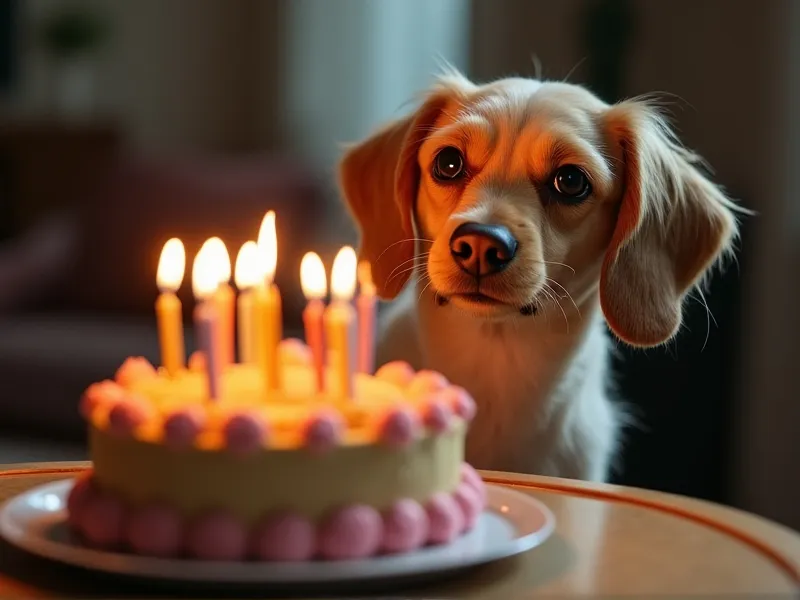
Table of Contents
- Can Dogs Eat Birthday Cake? The Short Answer
- Potential Benefits (If Any) of Birthday Cake for Dogs
- Risks of Feeding Birthday Cake to Dogs: What to Watch For
- Safe Serving Guidelines: If You Must Share
- Healthier Alternatives: Dog-Friendly Birthday Cakes
- FAQ: Your Top Questions Answered
- Conclusion: Celebrate Safely with Your Pup
Can Dogs Eat Birthday Cake? The Short Answer
Most traditional birthday cakes are not safe for dogs.
Why? Because they’re packed with ingredients that can harm your pup, like sugar, dairy, and often toxic add-ons (looking at you, chocolate frosting). That said, a tiny bite of plain, dog-safe cake (no frosting, no sprinkles, no toxic ingredients) might not hurt—but it’s still not recommended.
Think of it this way: Birthday cake is like junk food for dogs. It offers little nutritional value and comes with real risks. Your dog’s body isn’t designed to process large amounts of sugar or dairy, and even small doses of certain ingredients (like xylitol, a sugar substitute) can be fatal.
So, while it’s tempting to share the celebration, the safest choice is to skip the human cake and opt for dog-friendly alternatives instead.
Potential Benefits (If Any) of Birthday Cake for Dogs
Let’s be real: Traditional birthday cake isn’t a health food for dogs. But if we stretch the definition to include dog-safe cake (made with pet-friendly ingredients), there might be a few minor benefits. These come from the base ingredients, not the sugar or frosting.
Example: Dog-Safe Cake Ingredients with Benefits
- Bananas: Rich in potassium (supports heart health), vitamin B6 (aids metabolism), and fiber (helps digestion).
- Pumpkin: Loaded with fiber (prevents constipation) and beta-carotene (supports eye health).
- Apples (without seeds): Provide vitamin C (immune support) and antioxidants.
- Oats: A good source of fiber and protein, gentle on the stomach.
But here’s the catch: These benefits are best enjoyed on their own, not mixed into a cake with sugar, butter, or frosting. For example, a slice of plain banana is healthier for your dog than a banana cake with sugar and cream cheese frosting. So while “dog-safe cake” might sound like a treat, it’s still a splurge—not a nutritional boost.
Risks of Feeding Birthday Cake to Dogs: What to Watch For
Now, let’s get serious about the risks. Traditional birthday cake is a minefield of potential dangers for your pup. Here’s what to avoid:
1. Sugar: Empty Calories and Long-Term Harm
Sugar is the biggest culprit. Dogs don’t need sugar in their diet, and too much can lead to:
- Obesity: Over 50% of dogs in the U.S. are overweight, and extra sugar is a major contributor.
- Dental disease: Sugar feeds harmful bacteria in your dog’s mouth, leading to cavities and gum disease.
- Diabetes: Chronic sugar intake can disrupt insulin production, increasing the risk of canine diabetes.
Even a small slice of cake can spike your dog’s blood sugar, leading to energy crashes or digestive upset.
2. Dairy: Stomach Upset for Lactose-Intolerant Pups
Most dogs are lactose intolerant. That means their bodies can’t digest lactose, the sugar in milk, cheese, and butter. Frosting, which is often made with butter, cream cheese, or milk, can cause:
- Diarrhea
- Gas
- Bloating
- Vomiting
Symptoms usually show up within a few hours of eating dairy. For sensitive dogs, even a lick of frosting can lead to discomfort.
3. Choking Hazards: Sprinkles, Nuts, and Decorations
Cake decorations are fun for humans but dangerous for dogs. Hard sprinkles, nuts (like macadamia nuts, which are toxic), or small candies can get stuck in your dog’s throat, leading to choking. Even “edible” decorations like fondant can be tough to chew and digest.
4. Toxic Ingredients: Chocolate, Xylitol, and More
This is the scariest part. Many common cake ingredients are poisonous to dogs:
- Chocolate: Contains theobromine, which dogs can’t metabolize. Dark chocolate and baking chocolate are the most toxic—even a small amount can cause seizures, heart failure, or death.
- Xylitol: A sugar substitute found in “sugar-free” cakes, frosting, or gum. It causes a rapid drop in blood sugar (hypoglycemia) and liver failure in dogs. Even 0.1 grams per pound of body weight can be fatal.
- Raisins/Grapes: Found in fruit cakes, these can cause kidney failure in some dogs (no one knows why, but it’s a well-documented risk).
- Alcohol: Some cakes (like rum cake) contain alcohol, which is toxic to dogs and can lead to vomiting, coordination issues, or even coma.
If your dog eats any of these ingredients, contact your vet immediately.
Safe Serving Guidelines: If You Must Share
We get it—sometimes the moment is too cute to resist. If you insist on letting your dog taste the cake (we’re side-eyeing you, but we get it), follow these strict rules to minimize risk:
Rule 1: Check the Ingredients First
Only share cake that’s made with:
- Plain flour (no additives)
- Unsweetened applesauce or mashed banana (instead of sugar)
- A tiny bit of egg (if your dog isn’t allergic)
- No dairy, no sugar, no frosting, no sprinkles, no chocolate, no xylitol.
Rule 2: Keep Portions Tiny
- Small dogs (under 20 lbs): A piece the size of your thumbnail.
- Medium dogs (20–50 lbs): A piece the size of a quarter.
- Large dogs (50+ lbs): A piece the size of a half-dollar.
Even this is a stretch—think of it as a “once in a blue moon” treat, not a regular thing.
Rule 3: Skip the Frosting and Decorations
Frosting is the worst part. It’s loaded with sugar, dairy, and often toxic colors or flavors. Even “vanilla” frosting can have xylitol or artificial sweeteners.
Rule 4: Monitor Your Dog Afterward
Watch for signs of upset, like:
- Vomiting or diarrhea
- Lethargy or restlessness
- Excessive thirst/urination (a sign of high blood sugar)
- Panting or pacing
If you notice any of these, call your vet.
Healthier Alternatives: Dog-Friendly Birthday Cakes
Why risk it with human cake when you can make a dog-specific birthday cake? These are easy to bake, use safe ingredients, and your pup will love them just as much (if not more!).
Recipe: 5-Minute Peanut Butter & Banana Dog Cake
This no-bake cake is simple, healthy, and tail-waggingly delicious.
Ingredients:
- 1 ripe banana, mashed
- 2 tbsp natural peanut butter (no xylitol!)
- ¼ cup rolled oats
- 1 egg (optional, for binding)
- 1 tbsp plain Greek yogurt (dairy-free, if your dog is lactose intolerant)
Instructions:
- Mash the banana in a bowl. Stir in peanut butter until smooth.
- Add oats and egg (if using), mixing until combined.
- Press the mixture into a small ramekin or silicone mold.
- Microwave for 60–90 seconds, or bake at 350°F for 15 minutes (until firm).
- Let cool, then top with a dollop of Greek yogurt and a banana slice.
Why it’s safe: Bananas add natural sweetness, peanut butter (xylitol-free!) is a protein-rich treat, and oats are gentle on tummies.
Store-Bought Options
If baking isn’t your thing, check your local pet store for dog-safe birthday cakes or “pupcakes.” Brands like Three Dog Bakery or Frosty Paws make pre-made options with pet-friendly ingredients.
FAQ: Your Top Questions Answered
Q: Can dogs eat vanilla cake (without frosting)?
A: A tiny bite might not hurt, but it’s still not safe. Vanilla cake has sugar, which is bad for dogs, and often vanilla extract (which contains alcohol—small amounts are okay, but large doses can be toxic).
Q: What if my dog stole a big piece of cake?
A: Don’t panic, but act fast. Check the ingredients first. If it had chocolate, xylitol, raisins, or alcohol, call your vet immediately. Even if it was plain cake, watch for signs of stomach upset (vomiting, diarrhea) and contact your vet if symptoms appear.
Q: Is “sugar-free” cake safer?
A: No! Many sugar-free cakes use xylitol, which is more dangerous than sugar. Xylitol is toxic even in small amounts—always check labels for this ingredient.
Q: Can dogs eat red velvet cake?
A: No. Red velvet cake often contains chocolate (cocoa powder) and cream cheese frosting (dairy + sugar). Both are bad news.
Conclusion: Celebrate Safely with Your Pup
At the end of the day, your dog doesn’t care if their “cake” is fancy—they just want to be part of the celebration. A belly rub, a new toy, or a dog-friendly treat will make them just as happy (and keep them healthy).
If you do share human cake, remember: moderation is key, and safety comes first. When in doubt, skip the cake and opt for a walk, extra playtime, or a dog-safe snack instead.
And if you’re ever unsure about a food’s safety, call your vet. They’re the best resource for keeping your pup happy and healthy—today, tomorrow, and every birthday to come.
Here’s to many more tail-wagging celebrations with your furry best friend! 🎉🐾
Sources:
- American Society for the Prevention of Cruelty to Animals (ASPCA). “People Foods to Avoid Feeding Your Pets.” aspca.org
- American Kennel Club (AKC). “Can Dogs Eat Cake?” akc.org
- PetMD. “Xylitol Poisoning in Dogs.” petmd.com
- Veterinary Centers of America (VCA). “Obesity in Dogs.” vcahospitals.com