· 8 min read
Can Dogs Eat Bird Food? The Surprising Truth Every Pet Parent Should Know
It’s a sunny Saturday morning, and you’re outside enjoying your coffee, watching colorful songbirds flit to the feeder. Out of the corner of your eye, you spot movement: your dog, ever the curious explorer, has zeroed in on a pile of spilled bird seed and is munching away like it’s a gourmet snack. Cue the panic: Is bird food safe for dogs? As pet parents, our first instinct is to worry—but the answer isn’t as black and white as you might think.
Bird food isn’t inherently toxic to dogs, but that doesn’t mean it’s a healthy addition to their diet. In this post, we’ll break down what’s in bird food, the potential benefits (yes, there are a few!), the risks to watch for, and how to keep your pup safe if they sneak a snack. Let’s dive in!
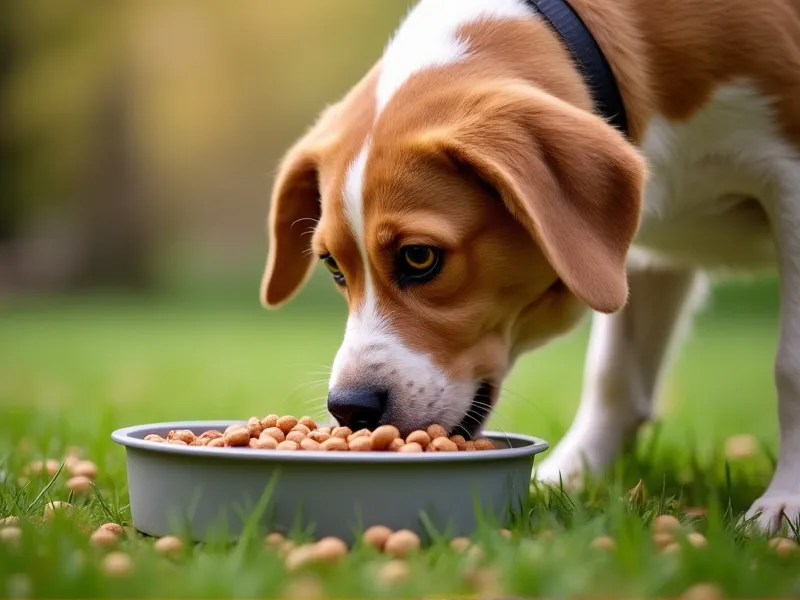
Table of Contents
- Can Dogs Eat Bird Food? The Short Answer
- What’s Actually in Bird Food?
- Potential Benefits of Bird Food for Dogs (Spoiler: They’re Minimal)
- The Risks: Why Bird Food Isn’t Ideal for Dogs
- How Much Bird Food Is Safe for Dogs?
- Healthier Alternatives to Bird Food
- FAQ: Your Bird Food and Dog Questions Answered
- Conclusion: Moderation is Key
- References
Can Dogs Eat Bird Food? The Short Answer
No, bird food isn’t toxic to dogs—but it’s not a healthy or necessary part of their diet. Most plain bird seed (think: sunflower seeds, millet, or safflower seeds) won’t harm your dog in small, occasional amounts. However, many commercial bird food blends contain added sugars, salts, or even toxic ingredients (like raisins or moldy seeds) that can pose risks.
In short: If your dog snags a few spilled seeds, they’ll likely be fine. But you shouldn’t feed bird food to your dog intentionally, and you’ll want to monitor them closely if they eat a large amount.
What’s Actually in Bird Food?
To understand why bird food is a mixed bag for dogs, let’s start with what’s in it. Bird food isn’t one-size-fits-all—blends vary based on the types of birds they’re meant to attract (e.g., songbirds, woodpeckers, finches). Common ingredients include:
- Seeds: Sunflower (black oil or striped), safflower, millet, nyjer (thistle), corn, and oats.
- Nuts: Peanuts, almonds, or walnuts (often unsalted, but not always).
- Dried fruits: Raisins, cranberries, blueberries, or chopped apples (watch for raisins—more on that later!).
- Suet: A high-fat mixture of animal fat, seeds, and grains (common in winter blends).
- Added extras: Some commercial blends include sugar, salt, or artificial colors/flavors to make them more appealing to birds.
The problem? Many of these ingredients are either unnecessary for dogs, potentially harmful, or pose physical risks (like choking). Let’s break down the pros and cons.
Potential Benefits of Bird Food for Dogs (Spoiler: They’re Minimal)
At first glance, bird food might seem like a “natural” snack—after all, it’s just seeds and nuts, right? While some ingredients offer minor benefits, they’re not reasons to feed bird food to your dog. Here’s what to know:
1. Fiber for Digestion
Seeds like millet and oats are high in fiber, which helps support healthy digestion. However, dogs already get plenty of fiber from their regular dog food (look for whole grains or vegetables like sweet potatoes on the label). Extra fiber from bird seed can actually backfire (more on that in the risks section!).
2. Potassium and Micronutrients
Some bird food ingredients, like dried fruits (if they’re dog-safe, like blueberries) or nuts, contain small amounts of potassium, vitamin E, or magnesium. But again, these nutrients are already in your dog’s balanced diet. Bird food isn’t a “supplement”—it’s just an extra source of nutrients they don’t need.
3. Healthy Fats (In Small Doses)
Unsalted sunflower seeds or peanuts contain healthy fats (like omega-6 fatty acids), which support skin and coat health. But dogs only need a tiny amount of these fats, and too much can lead to weight gain or pancreatitis (a painful inflammation of the pancreas).
The Risks: Why Bird Food Isn’t Ideal for Dogs
While small amounts of plain bird seed are unlikely to hurt your dog, there are several risks to be aware of—especially if your pup overindulges or the bird food contains problematic ingredients.
1. Toxic Ingredients: Raisins, Grapes, and Mold
This is the biggest red flag. Some bird food blends include raisins or grapes to attract birds, but these are toxic to dogs (even small amounts can cause kidney failure). If your dog eats bird food with raisins, contact your vet immediately.
Another hidden danger? Moldy bird seed. Bird feeders can get damp, leading to mold growth. Mold produces mycotoxins, which are toxic to dogs and can cause vomiting, diarrhea, seizures, or even organ failure. Always check for mold before letting your dog near spilled seed!
2. Added Sugar and Salt
Many commercial bird foods (especially “songbird mixes” or those with dried fruits) include added sugar or salt to make them more palatable to birds. Dogs don’t need sugar, and excess sugar can lead to obesity, dental issues, or diabetes. Too much salt, meanwhile, can cause sodium ion poisoning (symptoms: vomiting, diarrhea, tremors, or seizures).
3. Stomach Upset and Digestive Issues
Bird seed is high in fiber and fat—two things that can upset a dog’s stomach, especially if they’re not used to it. Even plain seeds can cause:
- Diarrhea or loose stools
- Vomiting (from sudden dietary changes)
- Gas or bloating
Small dogs or those with sensitive stomachs are especially prone to these issues.
4. Choking Hazards
Large seeds (like whole sunflower seeds with shells) or nuts can pose a choking risk, especially for small breeds (think Chihuahuas or Yorkies). Shells can also get stuck in your dog’s throat or digestive tract, leading to blockages (which may require surgery).
How Much Bird Food Is Safe for Dogs?
If your dog sneaks a few seeds off the ground, there’s no need to panic. The key is moderation. Here’s a general guideline for “safe” amounts (and remember: this is for occasional snacks, not daily feeding!):
| Dog Size | Max Amount of Plain Bird Seed (Occasional) |
|---|---|
| Small (5-20 lbs) | 1–2 teaspoons |
| Medium (21-50 lbs) | 1–2 tablespoons |
| Large (51+ lbs) | 2–3 tablespoons |
Important notes:
- Avoid blends with raisins, grapes, added sugar, salt, or mold.
- If your dog has a history of pancreatitis, obesity, or digestive issues, skip bird food entirely.
- Always monitor your dog after they eat bird food. If they vomit, have diarrhea, or seem lethargic, contact your vet.
Healthier Alternatives to Bird Food
Instead of letting your dog snack on bird seed, opt for these dog-safe, nutrient-dense alternatives. They’re just as tasty (to your pup!) and far better for their health:
1. Pumpkin Seeds (Unsalted)
Pumpkin seeds are rich in fiber, protein, and healthy fats—plus, they’re a natural dewormer! Offer 1–2 seeds (chopped for small dogs) as a treat.
2. Blueberries
These tiny fruits are packed with antioxidants, vitamin C, and fiber. They’re low in calories and make a perfect training treat.
3. Carrots
Crunchy and low-calorie, carrots are great for dental health (they scrape plaque!) and full of beta-carotene (which supports eye health).
4. Plain Popcorn (No Butter/Salt)
Air-popped popcorn is a fun, low-calorie snack. Just skip the butter and salt—plain is best!
5. Apple Slices (No Seeds/Core)
Apples are a good source of fiber and vitamin A. Remove the seeds (they contain small amounts of cyanide) and core first.
FAQ: Your Bird Food and Dog Questions Answered
Q: Is bird seed toxic to dogs?
A: Plain bird seed (without raisins, mold, or added sugars/salt) isn’t toxic, but it’s not ideal. However, blends with raisins, grapes, or mold are toxic and require immediate vet attention.
Q: My dog ate a whole bag of bird food! What should I do?
A: Contact your vet right away. A large amount can cause vomiting, diarrhea, or blockages (especially if there are shells or large seeds). Bring the bird food bag with you so the vet knows the ingredients.
Q: Can puppies eat bird food?
A: Puppies have sensitive digestive systems, so it’s best to avoid bird food. Stick to puppy-safe treats like plain yogurt or mashed banana instead.
Q: Is suet (from bird food) safe for dogs?
A: Suet is high in fat, which can trigger pancreatitis in dogs (especially small breeds or those prone to the condition). Skip it!
Conclusion: Moderation is Key
Bird food isn’t the worst snack your dog could eat, but it’s far from the best. A few plain seeds here and there are unlikely to harm them, but blends with toxic ingredients (raisins, mold) or added sugars/salt pose real risks.
When in doubt, stick to dog-safe treats and consult your vet if you’re unsure about a new food. After all, your pup’s health is worth more than a spilled bag of bird seed!
Have you ever caught your dog eating bird food? Share your story in the comments below!
References
- American Society for the Prevention of Cruelty to Animals (ASPCA). “Toxic and Non-Toxic Plants: Grapes.” aspca.org
- PetMD. “Pancreatitis in Dogs.” petmd.com
- VCA Animal Hospitals. “Gastroenteritis in Dogs.” vcahospitals.com
- FDA. “Mycotoxins in Pet Food.” fda.gov