· 8 min read
Can Dogs Eat Bell Pepper Seeds? What Pet Parents Need to Know
Picture this: You’re in the kitchen, chopping up vibrant red and green bell peppers for a salad. Your dog, ever the curious companion, trots over, tail thumping, and parks themselves at your feet—nose twitching, eyes wide—begging for a taste. As you toss a stray seed into the trash, you pause. Can dogs eat bell pepper seeds? It’s a small question, but when it comes to our furry family members, even tiny details matter.
Bell peppers are a staple in many human diets, loved for their crunch, sweetness, and versatility. But when it comes to sharing them with your pup, confusion often arises—especially about the seeds. Are they safe? Nutritious? Or a hidden hazard? Let’s dive into the facts to help you make informed choices for your dog’s health.
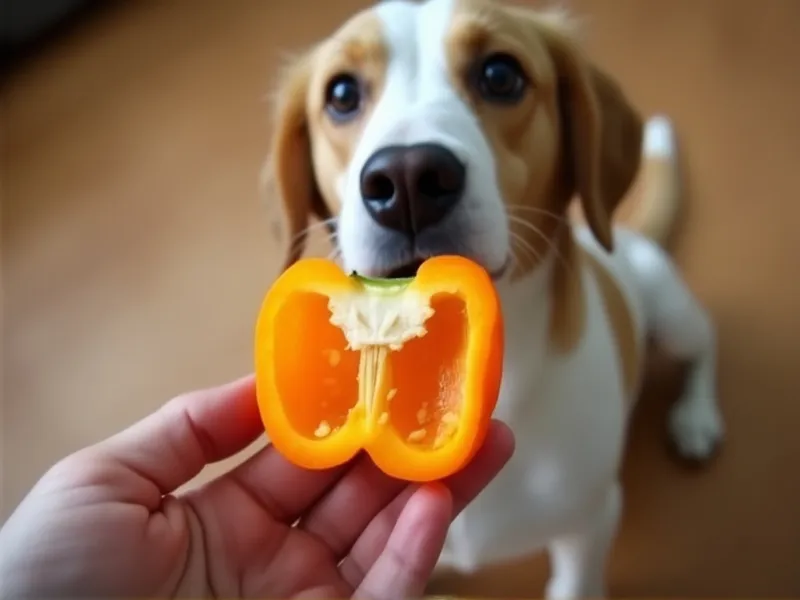
Table of Contents
- Can Dogs Eat Bell Pepper Seeds? The Short Answer
- Nutritional Benefits of Bell Peppers (and Their Seeds)
- Potential Risks to Watch For
- How Much Bell Pepper (and Seeds) Can Dogs Safely Eat?
- Healthier Alternatives to Bell Pepper Seeds
- FAQ: Your Most Pressing Questions Answered
- Conclusion: Moderation is Key
Can Dogs Eat Bell Pepper Seeds? The Short Answer
Yes, dogs can eat bell pepper seeds—in moderation. Bell peppers (and their seeds) are not toxic to dogs, according to the American Society for the Prevention of Cruelty to Animals (ASPCA). Unlike spicy peppers (e.g., jalapeños, chili peppers), which contain capsaicin (a compound that irritates dogs’ digestive systems), bell peppers are mild, sweet, and safe for canine consumption.
That said, while the seeds themselves aren’t harmful, there are a few caveats to keep in mind (more on that later). The bigger takeaway? Bell peppers—seeds included—can be a healthy, low-calorie treat for your dog, as long as you serve them properly and in small amounts.
Nutritional Benefits of Bell Peppers (and Their Seeds)
Bell peppers are more than just a crunchy snack for humans—they’re packed with nutrients that can benefit your dog, too. Let’s break down their nutritional profile (per 1 cup, chopped, raw):
- Vitamin C: A powerful antioxidant that supports immune health, collagen production (for healthy skin and joints), and helps fight inflammation. Dogs can produce some vitamin C on their own, but extra from food can boost their defenses.
- Vitamin A: Essential for eye health, vision, and a shiny coat. It also supports cell growth and immune function.
- Fiber: Both the pepper flesh and seeds contain fiber, which aids digestion, regulates blood sugar, and keeps your dog feeling full (helpful for weight management).
- Potassium: Important for heart health, muscle function, and maintaining healthy blood pressure.
- Low in calories and sugar: Bell peppers contain just ~30 calories per cup and minimal sugar (~5g), making them a great low-fat treat option for dogs watching their weight.
The seeds, while small, add a tiny extra boost of fiber and trace minerals (like magnesium and zinc), though most of the nutrition comes from the pepper’s flesh. Think of the seeds as a “bonus” rather than a primary nutrient source!
Potential Risks to Watch For
While bell pepper seeds are generally safe, there are a few risks to be aware of to keep your dog happy and healthy:
1. Choking Hazard (Especially for Small Dogs)
Bell pepper seeds are small and hard, which could pose a choking risk for tiny breeds (e.g., Chihuahuas, Yorkies) or dogs who gulp their food without chewing. If your dog is a fast eater or prone to swallowing treats whole, consider removing the seeds or chopping the pepper into tiny, bite-sized pieces to reduce this risk.
2. Stomach Upset from Overconsumption
Too much of any new food can upset your dog’s stomach, and bell peppers are no exception. The fiber in peppers (and seeds) can cause gas, bloating, diarrhea, or vomiting if your dog eats a large amount at once—especially if they’re not used to high-fiber treats. Start with a small slice and monitor their reaction before offering more.
3. Pesticide Residue (Wash First!)
Like many fruits and veggies, bell peppers may harbor pesticide residue on their skin. Always wash them thoroughly under running water before feeding them to your dog to remove any chemicals, dirt, or bacteria (e.g., E. coli, salmonella).
4. Confusion with Spicy Peppers
This isn’t a risk from bell peppers themselves, but it’s worth mentioning: Never feed your dog spicy peppers (e.g., cayenne, habanero, or even milder “spicy” varieties like banana peppers). These contain capsaicin, which can cause intense burning in your dog’s mouth, throat, and stomach, leading to drooling, vomiting, diarrhea, or even seizures in severe cases. Always double-check that the pepper you’re sharing is a bell pepper (green, red, yellow, or orange—all are safe!).
How Much Bell Pepper (and Seeds) Can Dogs Safely Eat?
The key to feeding bell peppers (or any human food) to your dog is moderation. Treats—including veggies—should make up no more than 10% of your dog’s daily calorie intake, according to the American Kennel Club (AKC). The rest should come from a balanced, high-quality dog food.
So, how much is “too much”? It depends on your dog’s size:
- Small dogs (under 20 lbs): 1–2 small slices (about 1–2 tbsp, chopped) per day.
- Medium dogs (20–50 lbs): 3–4 slices (about ¼ cup, chopped) per day.
- Large dogs (50+ lbs): Up to ½ cup (chopped) per day.
Pro tip: Serve bell peppers raw or lightly steamed (avoid adding salt, oil, garlic, or onions—these are toxic to dogs). Raw peppers are crunchier and better for dental health (chewing helps scrape plaque!), while steamed peppers are easier to digest for dogs with sensitive stomachs.
Healthier Alternatives to Bell Pepper Seeds
If you’re looking for other low-calorie, nutrient-dense treats for your dog, here are some great alternatives to bell pepper seeds (or bell peppers in general):
1. Carrots
Crunchy, sweet, and packed with vitamin A and fiber. Carrots are safe for dogs of all sizes and can even help clean their teeth. Serve raw (chopped into sticks) or steamed.
2. Cucumber
Hydrating, low-calorie, and full of vitamins K and C. Cucumber is a great summer treat to help your dog cool down—just remove the seeds (they’re not toxic, but some dogs find them bitter) and chop into bite-sized pieces.
3. Green Beans
High in fiber and protein, with almost no fat. Green beans can be served raw, steamed, or frozen (as a crunchy, icy treat!). Avoid canned green beans, which often have added salt.
4. Blueberries
A superfood for dogs! Blueberries are rich in antioxidants, vitamins C and K, and fiber. They’re small, easy to portion, and make a great training treat.
5. Zucchini
Low in calories and high in vitamin A, zucchini is gentle on sensitive stomachs. Slice it raw or bake it into “zucchini chips” for a crunchy snack.
FAQ: Your Most Pressing Questions Answered
Q: Can puppies eat bell pepper seeds?
A: Yes, puppies can eat bell pepper seeds in small amounts, but proceed with caution. Puppies have more sensitive digestive systems, so start with a tiny piece (e.g., 1–2 seeds) and monitor for stomach upset. Always consult your vet before introducing new foods to puppies, especially if they have underlying health issues.
Q: What if my dog ate a whole bell pepper (seeds and all)?
A: Don’t panic! A single bell pepper is unlikely to harm your dog, but they may experience gas, bloating, or loose stools due to the fiber. Monitor them for 24 hours—if they vomit, have diarrhea, or seem lethargic, contact your vet.
Q: Are colored bell peppers (red, yellow, orange) safer than green ones?
A: All bell pepper colors are safe for dogs! Red, yellow, and orange peppers are actually riper than green ones and contain more vitamins (e.g., red peppers have twice as much vitamin C as green ones). Choose whatever color your dog prefers—just avoid spicy varieties!
Q: Can dogs eat roasted bell peppers with seeds?
A: Roasted bell peppers are safe, but avoid adding oil, salt, garlic, or seasonings (these can upset your dog’s stomach). Plain, roasted peppers (with seeds) are fine in moderation.
Q: My dog has diabetes—can they eat bell pepper seeds?
A: Bell peppers are low in sugar, so they’re generally safe for dogs with diabetes. However, always check with your vet first, as individual dietary needs vary. Stick to small portions to avoid spiking blood sugar.
Conclusion: Moderation is Key
At the end of the day, bell pepper seeds are a safe, healthy addition to your dog’s treat rotation—as long as you serve them in moderation. They’re non-toxic, low in calories, and offer a boost of fiber and vitamins. Just remember to wash the pepper first, chop it into small pieces (especially for small dogs), and avoid overfeeding.
As with any human food, every dog is different—what works for one may not work for another. If your dog has allergies, digestive issues, or chronic health conditions, always consult your vet before sharing bell peppers (or any new treats).
So, the next time your pup begs for a taste while you’re chopping veggies, feel free to share a tiny piece of bell pepper (seeds included)—they’ll love the crunch, and you’ll love knowing it’s good for them!
Sources:
- American Society for the Prevention of Cruelty to Animals (ASPCA). Toxic and Non-Toxic Plants. aspca.org
- American Kennel Club (AKC). Human Foods Dogs Can and Can’t Eat. akc.org
- PetMD. Can Dogs Eat Bell Peppers? petmd.com
- Dr. Jennifer Coates, DVM. The Ultimate Guide to Human Foods for Dogs. petmd.com