· 9 min read
Can Dogs Eat Bell Peppers Raw? A Pet Parent’s Guide to Safe Snacking
Picture this: You’re chopping up a vibrant red bell pepper for your morning omelet, and your dog trots over, tail wagging, nose twitching at the fresh, crisp scent. “Can I have a bite?” those puppy eyes seem to plead. It’s a moment every pet parent knows—sharing snacks is part of the joy of having a furry companion. But before you toss them a slice, you pause: Are bell peppers safe for dogs to eat raw?
Bell peppers are a staple in many kitchens. They’re low in calories, packed with vitamins, and crunchier than a potato chip (minus the salt and grease). It’s no wonder you might wonder if they’re a healthy treat for your pup. After all, we’re always on the hunt for human foods that can double as dog-friendly snacks—ones that are nutritious, not just tasty.
In this guide, we’ll dive into everything you need to know about feeding raw bell peppers to your dog. We’ll cover the benefits, the risks, how much is safe, and even share some healthier alternatives. By the end, you’ll have all the info to decide if bell peppers deserve a spot in your dog’s treat rotation.
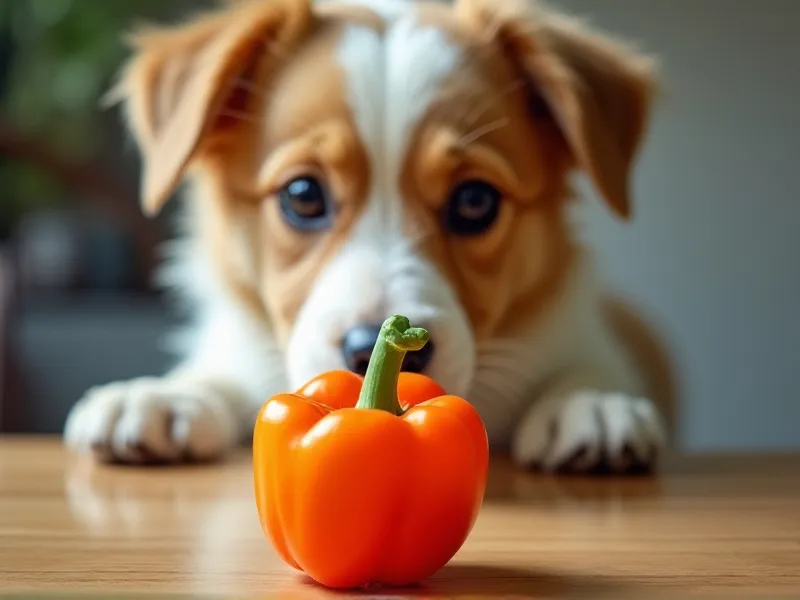
Table of Contents
- Can Dogs Eat Bell Peppers Raw? The Short Answer
- Nutritional Benefits of Raw Bell Peppers for Dogs
- Potential Risks of Feeding Raw Bell Peppers to Dogs
- How Much Raw Bell Pepper Can Dogs Eat? Guidelines by Size
- Healthier Alternatives to Raw Bell Peppers
- FAQ: Your Questions Answered
- Conclusion
Can Dogs Eat Bell Peppers Raw? The Short Answer
Yes, dogs can eat raw bell peppers in moderation. They’re non-toxic, low in calories, and rich in vitamins and antioxidants that can support your dog’s health. However, there are caveats: raw bell peppers must be prepared safely (e.g., sliced into small pieces), and overfeeding can lead to digestive upset or other issues. Think of them as an occasional “veggie treat,” not a replacement for your dog’s balanced, species-appropriate diet.
Nutritional Benefits of Raw Bell Peppers for Dogs
Bell peppers aren’t just colorful—they’re nutritional powerhouses. Let’s break down why they might be a great addition to your dog’s snack drawer (in moderation, of course):
1. Vitamin C: A Boost for Immunity and More
Bell peppers are loaded with vitamin C. In fact, a single cup of raw red bell pepper contains about 190mg of vitamin C—more than an orange! While dogs produce their own vitamin C, supplementation (from whole foods) can support their immune system, aid in collagen production (for healthy skin, joints, and blood vessels), and even help reduce inflammation.
2. Vitamin A: For Sharp Eyes and Healthy Skin
Vitamin A is crucial for your dog’s eye health (think night vision and preventing age-related eye issues), skin health, and coat shine. Bell peppers—especially red and orange varieties—are rich in beta-carotene, which the body converts into vitamin A. A cup of raw red bell pepper has about 14,000 international units (IU) of vitamin A, contributing to your dog’s daily needs.
3. Fiber: Supporting Digestive Health
Fiber is key for keeping your dog’s gut happy. Raw bell peppers contain both soluble and insoluble fiber, which helps regulate bowel movements, supports beneficial gut bacteria, and can even aid in weight management by promoting a feeling of fullness. Just a half-cup of bell pepper offers about 1.5g of fiber—perfect for a gentle digestive boost.
4. Potassium: Heart and Muscle Support
Potassium is an electrolyte that helps regulate heart rhythm, muscle function, and blood pressure. Bell peppers contain potassium (about 200mg per cup), which works alongside sodium to keep your dog’s cells and organs functioning properly.
5. Antioxidants: Fighting Free Radicals
Bell peppers are rich in antioxidants like lycopene (in red peppers) and quercetin, which combat free radicals—unstable molecules that can damage cells and contribute to aging and disease. These antioxidants may support long-term health, especially in senior dogs.
Source: The USDA FoodData Central database; American Kennel Club (AKC) guidelines on human foods for dogs.
Potential Risks of Feeding Raw Bell Peppers to Dogs
While bell peppers are generally safe, they’re not without risks. Here’s what to watch out for:
1. Choking Hazard
Raw bell peppers are crisp and can be tough, especially the skin. If not cut into small, bite-sized pieces, they pose a choking risk—especially for small dogs or dogs who gulp their food. Always slice peppers into 1-inch cubes or thin strips to prevent choking.
2. Sugar Content (Yes, Even in Veggies!)
Bell peppers contain natural sugars—about 4-5g per cup (raw). While this is low compared to fruits like apples or bananas, overfeeding can lead to excess calories, weight gain, or dental issues (sugar feeds plaque-causing bacteria). Stick to small portions to avoid these problems.
3. Stomach Upset in Sensitive Dogs
Some dogs have sensitive stomachs, and raw veggies (including bell peppers) can cause gas, bloating, diarrhea, or vomiting—especially if introduced suddenly or in large amounts. Puppies, senior dogs, or dogs with conditions like inflammatory bowel disease (IBD) may be more prone to this.
4. Pesticides and Contaminants
Conventionally grown bell peppers may have pesticide residues, which can be harmful if ingested in large quantities. Always wash peppers thoroughly under running water, or opt for organic to reduce exposure.
5. The Stem and Seeds: To Remove or Not?
The stem of a bell pepper is tough, fibrous, and not digestible—always remove it. As for seeds: they’re not toxic, but they can be bitter and may irritate some dogs’ stomachs. It’s safer to scoop out the seeds before feeding.
How Much Raw Bell Pepper Can Dogs Eat? Guidelines by Size
“Moderation” is the golden rule here. Bell peppers should make up no more than 10% of your dog’s daily calorie intake (the rest should come from a balanced dog food). Here’s a general guide based on your dog’s size:
Small Dogs (Under 20 lbs): 1-2 Small Slices
Think Chihuahuas, Yorkies, or Pomeranians. A small slice (about 1 inch x 1 inch) or 1-2 tablespoons of diced bell pepper is plenty. Any more, and you risk stomach upset or excess sugar.
Medium Dogs (20-50 lbs): 2-3 Slices
Dogs like Beagles, Cocker Spaniels, or Bulldogs can handle 2-3 small slices (2-3 tablespoons diced). This is enough to offer nutrients without overdoing it.
Large Dogs (50+ lbs): 3-4 Slices
For Labs, German Shepherds, or Great Danes, 3-4 slices (4-5 tablespoons diced) is a safe portion. Even large dogs shouldn’t eat more than this in one sitting—remember, it’s a treat, not a meal.
Pro Tip: Always introduce new foods slowly. Start with a tiny piece (e.g., half a slice for a small dog) and monitor your dog for 24 hours. If they show no signs of stomach upset (vomiting, diarrhea, gas), you can gradually increase the portion (within guidelines).
Healthier Alternatives to Raw Bell Peppers
If your dog isn’t a fan of bell peppers, or you want to mix up their treats, here are some safer, more digestible alternatives:
1. Carrots
Carrots are a classic dog treat for a reason! They’re low in calories, high in fiber and vitamin A, and their crunch helps clean teeth. Raw carrots are safe (cut into sticks for small dogs) and easier to digest than bell peppers for many pups.
2. Cucumber
Cucumber is 96% water, making it a hydrating, low-calorie snack—perfect for hot days. It’s gentle on the stomach, contains vitamin K (for blood clotting), and has almost no sugar.
3. Green Beans
Raw or steamed green beans are packed with fiber, vitamin C, and iron. They’re low in calories and make a great “training treat” for dogs watching their weight.
4. Broccoli Florets
Broccoli is rich in vitamin C and fiber, but stick to small florets (remove tough stems). Avoid overfeeding—too much can cause gas.
5. Zucchini
Zucchini is low in calories, high in fiber, and contains vitamin A and potassium. Slice it into rounds or dice it for a crunchy, dog-friendly snack.
FAQ: Your Questions Answered
Q: Are all bell pepper colors safe for dogs?
A: Yes! Red, yellow, orange, and green bell peppers are all non-toxic. Red peppers have the most nutrients (more vitamin C, beta-carotene, and lycopene) but also slightly more sugar than green ones. Stick to any color, but red might offer the biggest health boost in small amounts.
Q: Can puppies eat raw bell peppers?
A: Puppies can try small amounts of raw bell pepper, but their digestive systems are still developing. Start with a tiny piece (e.g., a quarter-slice for a medium puppy) and watch for upset. If they tolerate it, you can offer small portions occasionally.
Q: What if my dog ate too many raw bell peppers?
A: If your dog gobbled up a whole bell pepper, monitor them for symptoms like vomiting, diarrhea, bloating, or lethargy. Most dogs will pass it with minor stomach upset, but contact your vet if symptoms are severe or last more than 24 hours.
Q: Is cooked bell pepper better than raw for dogs?
A: Cooking bell peppers (steaming or roasting) can make them easier to digest, as heat breaks down tough fibers. Cooking also increases the availability of some nutrients, like lycopene in red peppers. If your dog has a sensitive stomach, cooked bell peppers might be a better choice than raw.
Q: Can dogs with diabetes eat raw bell peppers?
A: Bell peppers are low in sugar and high in fiber, making them a better choice than high-sugar fruits for dogs with diabetes. However, always consult your vet before introducing new treats to a diabetic dog’s diet—portion control is critical.
Conclusion
Raw bell peppers can be a healthy, crunchy treat for dogs when fed in moderation and prepared safely. They’re packed with vitamins, fiber, and antioxidants that support immunity, digestion, and overall health. Just remember to slice them into small pieces, remove stems and seeds, wash thoroughly, and stick to portion guidelines based on your dog’s size.
Every dog is different—some may love bell peppers, others may turn up their nose. If you’re unsure whether bell peppers are right for your pup (especially if they have health issues), reach out to your vet. When in doubt, prioritize a balanced dog food and use veggies like bell peppers as an occasional, joyful addition to their day.
Here’s to happy, healthy snacking with your furry friend!
Sources:
- American Kennel Club (AKC). “Can Dogs Eat Bell Peppers?”
- PetMD. “Human Foods Dogs Can Eat (and Which to Avoid).”
- ASPCA. “Toxic and Non-Toxic Plants: Bell Pepper.”
- USDA FoodData Central. “Bell Peppers, Raw.”
- Tufts University Cummings School of Veterinary Medicine. “Nutrition for Dogs.”