· 7 min read
Can Dogs Eat Cooked Bell Peppers? A Pet Parent’s Guide to Safe, Nutritious Treats
Picture this: You’re sautéing a colorful medley of bell peppers for dinner, their sweet, earthy aroma filling the kitchen. Out of the corner of your eye, you spot your dog, tail wagging, nose twitching, and those irresistible “please share” puppy eyes locked on your pan. You pause—can dogs eat cooked bell peppers?
As pet parents, we’ve all been there: eager to spoil our fur babies with a tasty treat, but cautious about what’s actually safe. Bell peppers are a staple in many human diets, packed with vitamins and crunch, but are they a good fit for our canine companions?
The short answer: Yes, cooked bell peppers are generally safe for dogs—and they can even offer some health benefits. But like any human food, there are caveats. In this guide, we’ll break down the benefits, risks, serving guidelines, and alternatives to help you decide if cooked bell peppers deserve a spot in your pup’s treat rotation.
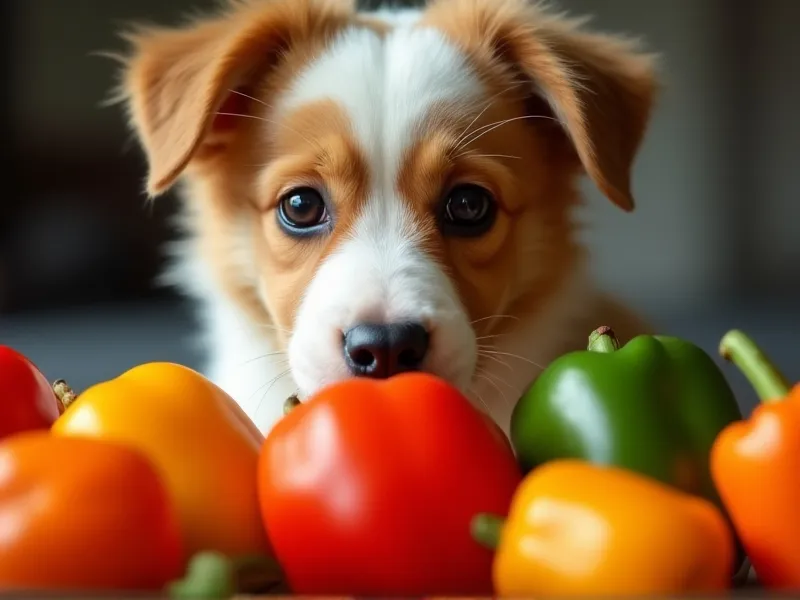
Table of Contents
- Can Dogs Eat Cooked Bell Peppers? The Short Answer
- The Benefits of Cooked Bell Peppers for Dogs
- Potential Risks to Watch For
- How Much Cooked Bell Pepper Can Dogs Eat?
- Healthier Alternatives (If Bell Peppers Aren’t a Hit)
- FAQ: Your Bell Pepper Questions Answered
- Conclusion: Moderation is Key
- References
Can Dogs Eat Cooked Bell Peppers? The Short Answer
Let’s cut to the chase: Cooked bell peppers are safe for most dogs, provided they’re plain (no added salt, spices, or oils) and served in moderation. Unlike onions, garlic, or chives (which are toxic to dogs), bell peppers are non-toxic and even offer nutritional perks.
Cooking bell peppers can make them easier for dogs to digest, as heat breaks down tough fibers. Plus, some nutrients—like lycopene (an antioxidant) and beta-carotene—are better absorbed by the body when cooked. That said, raw bell peppers are also safe (more on that in the FAQ!), but cooked may be gentler on sensitive tummies.
The Benefits of Cooked Bell Peppers for Dogs
Bell peppers aren’t just colorful—they’re nutritional powerhouses. Here’s why adding a little cooked bell pepper to your dog’s diet (as a treat!) can be a good idea:
1. Loaded with Vitamins for Overall Health
Bell peppers are packed with essential vitamins that support your dog’s well-being:
- Vitamin C: Dogs produce some vitamin C on their own, but extra can boost their immune system, fight inflammation, and support collagen production (great for skin and joints).
- Vitamin A: Critical for eye health, coat shine, and immune function. It also supports organ health (like the heart and lungs).
- Vitamins E & K: Vitamin E is an antioxidant that protects cells from damage, while vitamin K aids blood clotting and bone health.
2. Fiber for Digestive Health
Cooked bell peppers contain soluble and insoluble fiber, which:
- Supports regular bowel movements (bye-bye, constipation!).
- Feeds “good” gut bacteria, promoting a healthy microbiome.
- Helps your dog feel full, which can aid in weight management (since treats should be low-calorie!).
3. Potassium for Heart & Muscle Function
Potassium is an electrolyte that helps regulate heart rate, muscle contractions, and fluid balance. A small serving of bell peppers can contribute to your dog’s daily potassium needs, supporting overall cardiovascular health.
4. Antioxidants to Fight Disease
Cooked bell peppers are rich in antioxidants like lycopene (in red peppers), beta-carotene (in orange/yellow peppers), and quercetin. These compounds neutralize free radicals, reducing the risk of chronic diseases and supporting longevity.
Potential Risks to Watch For
While cooked bell peppers are safe, they’re not without risks—especially if fed incorrectly. Here’s what to avoid:
1. Added Seasonings or Oils
The biggest risk isn’t the bell pepper itself—it’s how you cook it. Dogs shouldn’t eat bell peppers cooked with salt, garlic, onion, chili powder, or other spices, as these can be toxic (e.g., garlic and onion damage red blood cells) or cause stomach upset. Even small amounts of oil or butter can lead to pancreatitis in sensitive dogs. Always serve plain, unseasoned cooked bell peppers.
2. Stomach Upset from Overfeeding
Bell peppers are low in calories, but their fiber content can backfire if overdone. Too much fiber may cause:
- Gas, bloating, or diarrhea.
- Stomach cramps (especially in dogs with sensitive digestion).
Start with a tiny serving and monitor your dog for 24 hours before offering more.
3. Choking Hazards
Whole or large chunks of bell pepper pose a choking risk, especially for small dogs or pups who gulp their food. Always chop cooked bell peppers into small, bite-sized pieces (think: pea-sized for Chihuahuas, dime-sized for Labs) to prevent choking or intestinal blockages.
4. Natural Sugar (In Small Amounts)
Bell peppers contain natural sugars (about 2-3g per cup, cooked). While this is low, overfeeding can add up, leading to weight gain or blood sugar spikes (a concern for diabetic dogs). Stick to occasional treats, not daily meals.
How Much Cooked Bell Pepper Can Dogs Eat?
Treats should make up no more than 10% of your dog’s daily calories—and bell peppers are no exception. Here’s a general guideline based on size:
| Dog Size | Serving Size (Cooked, Chopped) | Frequency |
|---|---|---|
| Small (5-20 lbs) | 1-2 thin slices (or 1-2 tbsp) | 1-2x per week |
| Medium (21-50 lbs) | 2-3 slices (or 2-3 tbsp) | 1-2x per week |
| Large (51+ lbs) | 3-4 slices (or 3-4 tbsp) | 1-2x per week |
Pro Tip: If you’re unsure, check with your vet. Dogs with conditions like diabetes, kidney disease, or IBS may need adjusted serving sizes.
Healthier Alternatives (If Bell Peppers Aren’t a Hit)
Not all dogs love bell peppers—and that’s okay! If your pup turns up their nose, try these safe, nutrient-dense alternatives:
1. Carrots (Raw or Cooked)
Low in calories, high in vitamin A and fiber. Crunchy raw carrots clean teeth, while cooked carrots are easier on sensitive tummies.
2. Green Beans (Steamed)
A classic! Green beans are packed with fiber, vitamins, and minerals—plus, they’re ultra-low in calories (great for weight loss).
3. Cucumber (Raw)
Hydrating, crunchy, and几乎 calorie-free. Cucumber is perfect for hot days or dogs who need a low-sugar treat.
4. Broccoli (Cooked)
Rich in vitamin C and fiber, but serve in small amounts (too much can cause gas).
5. Zucchini (Cooked)
Mild-tasting and high in vitamins A and C. Shred it into your dog’s food for a nutrient boost.
FAQ: Your Bell Pepper Questions Answered
Q: Can dogs eat raw bell peppers?
A: Yes! Raw bell peppers are safe, but some dogs find them too crunchy or bitter (green peppers are more bitter than red/orange). Cooking softens them and makes nutrients like lycopene more absorbable. If feeding raw, chop into tiny pieces to avoid choking.
Q: Are all bell pepper colors safe?
A: Yes! Red, yellow, orange, and green bell peppers are all non-toxic. Red peppers are the sweetest and most nutrient-dense (they’re fully ripened), while green peppers are unripe and slightly bitter. Mix colors for variety!
Q: My dog ate a whole cooked bell pepper—should I panic?
A: Probably not, but monitor them for 24 hours. They may have loose stools or gas, but severe issues (like blockages) are rare if the pepper was chopped. If they vomit, lethargy, or can’t poop, call your vet.
Q: Can puppies eat cooked bell peppers?
A: Yes, in tiny amounts! Puppies have sensitive tummies, so start with 1-2 small pieces. Introduce new foods slowly to avoid diarrhea.
Q: Are bell peppers safe for dogs with diabetes?
A: Bell peppers are low in sugar and high in fiber, making them a good treat for diabetic dogs (in moderation). Always check with your vet first to adjust their meal plan.
Conclusion: Moderation is Key
Cooked bell peppers are a safe, nutritious treat for most dogs—when served plain, chopped, and in moderation. They’re packed with vitamins, fiber, and antioxidants that support your pup’s health, and they’re low in calories (win-win!).
Remember: Every dog is different. Some may love the crunch, while others may turn up their nose. If you’re unsure, start small, skip the seasonings, and watch for any signs of upset. And when in doubt, consult your vet—especially if your dog has health issues like kidney disease or food allergies.
At the end of the day, sharing a tiny piece of cooked bell pepper with your dog is more than just a treat—it’s a way to bond and keep them healthy. So go ahead, let them steal a (safe!) bite next time you’re cooking—those puppy eyes deserve it.
References
- American Society for the Prevention of Cruelty to Animals (ASPCA). People Foods to Avoid Feeding Your Pets. aspca.org/pet-care/animal-poison-control/people-foods-avoid-feeding-your-pets
- American Kennel Club (AKC). Can Dogs Eat Bell Peppers? Are Bell Peppers Safe for Dogs? akc.org/expert-advice/nutrition/can-dogs-eat-bell-peppers
- PetMD. Fiber for Dogs: Why It’s Important and How to Add It to Their Diet. petmd.com/dog/nutrition/fiber-dogs-why-its-important-and-how-add-their-diet
- Veterinary Centers of America (VCA). Antioxidants for Dogs: Benefits and Sources. vca.com/antioxidants-for-dogs