· 8 min read
Can Dogs Eat Bell Peppers Raw? Benefits, Risks, and Safe Feeding Tips
It’s a lazy Sunday morning, and you’re prepping a colorful veggie platter for lunch—crunchy carrots, cool cucumber, and vibrant bell peppers in every hue: green, red, yellow, orange. As you slice into a crisp red pepper, your dog trots over, tail wagging, nose twitching at the fresh scent. “Can I have a bite?” they seem to ask with those puppy-dog eyes. If you’re like most pet parents, you pause. Bell peppers are healthy for humans, but are they safe for dogs? Can dogs eat bell peppers raw?
If you’ve ever wondered whether to share this crunchy snack with your furry friend, you’re not alone. Bell peppers are a staple in many kitchens, and their bright colors and mild flavor make them a tempting treat to pass along. In this guide, we’ll break down everything you need to know: Are raw bell peppers safe for dogs? What benefits do they offer? What risks should you watch for? And how much is too much? Let’s dive in.
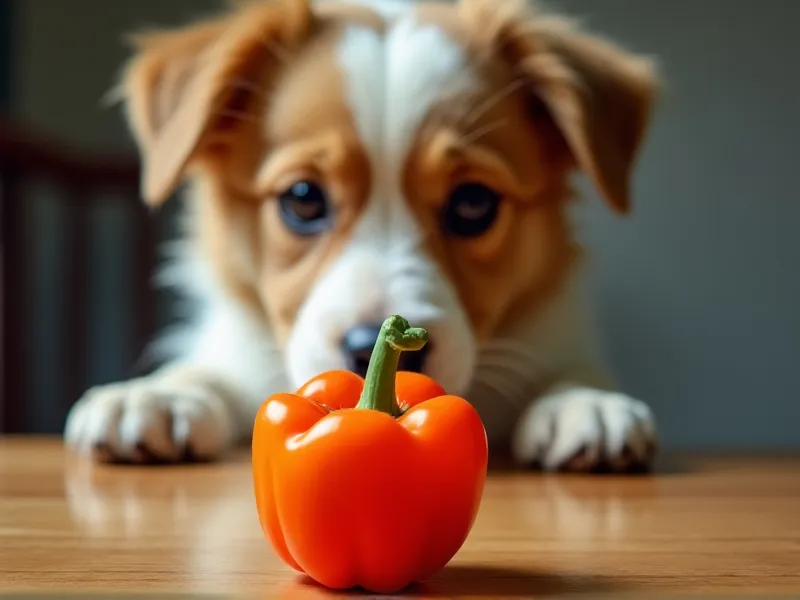
Table of Contents
- Can Dogs Eat Bell Peppers Raw? The Short Answer
- The Nutritional Benefits of Bell Peppers for Dogs
- Potential Risks of Feeding Raw Bell Peppers to Dogs
- How Much Raw Bell Pepper Can Dogs Safely Eat?
- Healthier Alternatives to Bell Peppers (or Complementary Snacks)
- Frequently Asked Questions (FAQ)
- Conclusion: Bell Peppers in Moderation Are a Go!
Can Dogs Eat Bell Peppers Raw? The Short Answer
Yes, dogs can safely eat raw bell peppers in moderation. Unlike onions, garlic, or grapes (which are toxic to dogs), bell peppers are non-toxic and even offer some nutritional perks. They’re low in calories, high in fiber, and packed with vitamins—making them a better alternative to processed dog treats.
But “in moderation” is key. While small amounts are harmless, overfeeding can lead to stomach upset, and there are a few risks (like choking hazards) to keep in mind. Let’s break down the details.
The Nutritional Benefits of Bell Peppers for Dogs
Bell peppers aren’t just a crunchy snack—they’re a nutrient-dense food that can boost your dog’s health when fed responsibly. Here’s what makes them a great occasional treat:
1. Vitamins Galore: A Powerhouse for Immunity & More
Bell peppers are loaded with vitamins that support your dog’s overall well-being:
- Vitamin C: Dogs produce some vitamin C on their own, but extra can help support their immune system, reduce inflammation, and promote healthy skin and coat. Red bell peppers have the highest vitamin C content—more than oranges!
- Vitamin A: Essential for vision, eye health, and a strong immune system. It also supports cell growth and reproduction.
- Vitamin E: An antioxidant that protects cells from damage and supports healthy skin and coat.
- Vitamin K: Important for blood clotting and bone health.
- B Vitamins: Including B6 and folate, which aid in energy metabolism and brain function.
2. Fiber: Good for Digestion
Bell peppers are a good source of dietary fiber, which helps keep your dog’s digestive system running smoothly. Fiber adds bulk to stool, supports regular bowel movements, and can even help your dog feel full (which is great for weight management).
3. Potassium: Supporting Heart & Muscle Health
Potassium is an electrolyte that helps regulate heart rate, muscle function, and fluid balance. It’s especially important for active dogs, as it aids in recovery after exercise.
4. Antioxidants: Fighting Free Radicals
Bell peppers (especially red, yellow, and orange varieties) contain antioxidants like lycopene (in red peppers) and beta-carotene (in orange/yellow peppers). These compounds fight free radicals, which can damage cells and contribute to aging and disease.
Potential Risks of Feeding Raw Bell Peppers to Dogs
While bell peppers are generally safe, there are a few risks to consider before adding them to your dog’s diet:
1. Sugar Content: Watch for Overindulgence
Bell peppers contain natural sugars (fructose), which are fine in small amounts but can add up if overfed. For dogs with diabetes, obesity, or weight issues, too many bell peppers could spike blood sugar or contribute to excess calories. Always factor treats into your dog’s daily calorie intake!
2. Stomach Upset: Too Much Fiber Can Backfire
While fiber is good for digestion, too much can cause gastrointestinal issues like diarrhea, gas, or bloating—especially if your dog isn’t used to high-fiber foods. Start with tiny portions and monitor their stool for changes.
3. Choking Hazard: Size Matters
Raw bell peppers are crunchy and can be tough for small dogs or dogs who gulp their food. Large chunks could get stuck in their throat. Always slice bell peppers into small, bite-sized pieces (about the size of your thumbnail for small dogs) to reduce this risk.
4. Pesticides: Wash Thoroughly (or Go Organic)
Non-organic bell peppers may have pesticide residues, which can be harmful to dogs (and humans!). Always wash bell peppers thoroughly under running water before feeding. If possible, choose organic to minimize exposure.
5. Stem and Seeds: Remove Before Feeding
The stem and seeds of bell peppers are not toxic, but they can be tough to digest and pose a choking risk. The stem is woody and hard, while seeds can get stuck in your dog’s teeth or digestive tract. Always remove the stem and scrape out seeds before slicing.
How Much Raw Bell Pepper Can Dogs Safely Eat?
The golden rule for feeding any human food to dogs is: treats should make up no more than 10% of their daily calorie intake. Bell peppers are low in calories (about 25 calories per cup, chopped), but portion size still depends on your dog’s size, weight, and activity level.
Here’s a general guideline:
- Small dogs (5–15 lbs): 1–2 small slices (about 1–2 tablespoons) per day.
- Medium dogs (15–50 lbs): 2–3 slices (about 2–3 tablespoons) per day.
- Large dogs (50+ lbs): 3–4 slices (about ¼ cup) per day.
Pro tip: Start with a tiny piece (like a ½-inch slice) and watch for any adverse reactions (e.g., diarrhea, vomiting, or gas) over 24 hours. If your dog tolerates it, you can gradually increase the portion (within the guidelines above).
Healthier Alternatives to Bell Peppers (or Complementary Snacks)
If your dog isn’t a fan of bell peppers, or if you want to mix up their treat routine, here are some other low-calorie, nutrient-dense veggies to try:
1. Carrots
Crunchy, sweet, and packed with vitamin A and fiber. Raw carrots are a great teeth-cleaning snack (the crunch helps scrape plaque!).
2. Cucumber
95% water, so they’re hydrating and low in calories. Perfect for hot days or overweight dogs.
3. Green Beans
High in fiber and vitamins, low in calories. Serve raw (chopped) or steamed (softer for older dogs).
4. Broccoli
Rich in vitamin C, fiber, and antioxidants. Steam it lightly (raw broccoli can be tough on tummies) and feed in small amounts (too much can cause gas).
5. Sweet Potato
Cooked sweet potato (no added sugar or butter) is a great source of beta-carotene, fiber, and vitamins. Avoid raw—hard to digest.
These snacks can be fed alone or mixed with bell peppers for variety!
Frequently Asked Questions (FAQ)
Q: Can puppies eat raw bell peppers?
A: Yes, but in very small amounts. Puppies have sensitive tummies, so start with a tiny slice (about ¼-inch) and monitor for stomach upset. Wait until they’re at least 3–4 months old (when their digestive systems are more developed) before introducing new snacks.
Q: Are all bell pepper colors safe for dogs?
A: Yes! Green, red, yellow, and orange bell peppers are all non-toxic. Red peppers are the sweetest (highest sugar and vitamin C), while green peppers are slightly bitter (lower sugar). Choose based on your dog’s taste preference and health needs (e.g., green peppers for lower sugar).
Q: Is cooked bell pepper better than raw for dogs?
A: Cooked bell peppers are softer and easier to digest, which may be better for dogs with sensitive stomachs or dental issues. Cooking can also make some nutrients (like lycopene) more bioavailable. However, raw bell peppers retain more vitamin C (heat can break it down). Both are safe—choose based on your dog’s needs!
Q: Can bell peppers cause allergies in dogs?
A: Allergies to bell peppers are extremely rare. Dogs are more likely to be allergic to proteins (like chicken or dairy) than veggies. If your dog develops itching, redness, or swelling after eating bell peppers, contact your vet to rule out an allergy.
Q: Should I avoid bell peppers if my dog has diabetes?
A: Talk to your vet first. Bell peppers have natural sugars, but they’re low on the glycemic index (they don’t spike blood sugar quickly). In small amounts, they may be safe, but your vet can help you adjust portions based on your dog’s insulin needs.
Conclusion: Bell Peppers in Moderation Are a Go!
So, can dogs eat bell peppers raw? Absolutely—they’re a safe, healthy treat when fed in moderation. Packed with vitamins, fiber, and antioxidants, bell peppers can boost your dog’s immune system, aid digestion, and add variety to their diet. Just remember to:
- Remove stems and seeds.
- Slice into small, bite-sized pieces to avoid choking.
- Wash thoroughly (or choose organic) to reduce pesticides.
- Stick to 10% or less of their daily calories.
As with any new food, start small and watch for signs of stomach upset. If your dog has health issues (like diabetes, obesity, or digestive problems), always check with your vet before adding bell peppers to their diet.
Next time you’re snacking on bell peppers, feel free to toss your pup a tiny slice—they’ll love the crunch, and you’ll love knowing you’re giving them something nutritious. Happy snacking!
References
- American Society for the Prevention of Cruelty to Animals (ASPCA). Toxic and Non-Toxic Plants. aspca.org/pet-care/animal-poison-control/toxic-and-non-toxic-plants/bell-pepper
- American Kennel Club (AKC). Can Dogs Eat Bell Peppers?. akc.org/expert-advice/nutrition/can-dogs-eat-bell-peppers
- PetMD. Safe Vegetables for Dogs: Which Veggies Are Good for Dogs?. petmd.com/dog/nutrition/which-vegetables-are-safe-dogs-eat
- Veterinary Centers of America (VCA). Nutrition for Dogs. vcahospitals.com/know-your-pet/nutrition-for-dogs