· 7 min read
Can Dogs Eat Before Getting Spayed? The Critical Pre-Surgery Guide for Pet Parents
It’s the night before your dog’s spay surgery, and you’re feeling a mix of emotions: relief that you’re helping prevent health issues down the line, nervousness about the procedure, and maybe a little guilty as your pup stares up at you with those “feed me” eyes. You’ve prepped their bed, stocked up on post-op treats, and triple-checked the vet’s instructions—but one question lingers: Can I give them just a small snack before surgery?
If you’ve ever second-guessed pre-surgery fasting guidelines, you’re not alone. Spaying is one of the most common surgical procedures for dogs, but understanding what (and when) to feed your pet beforehand is crucial for their safety. In this guide, we’ll break down the science behind pre-spay fasting, why it matters, and how to ensure your dog stays healthy and comfortable before their big day.
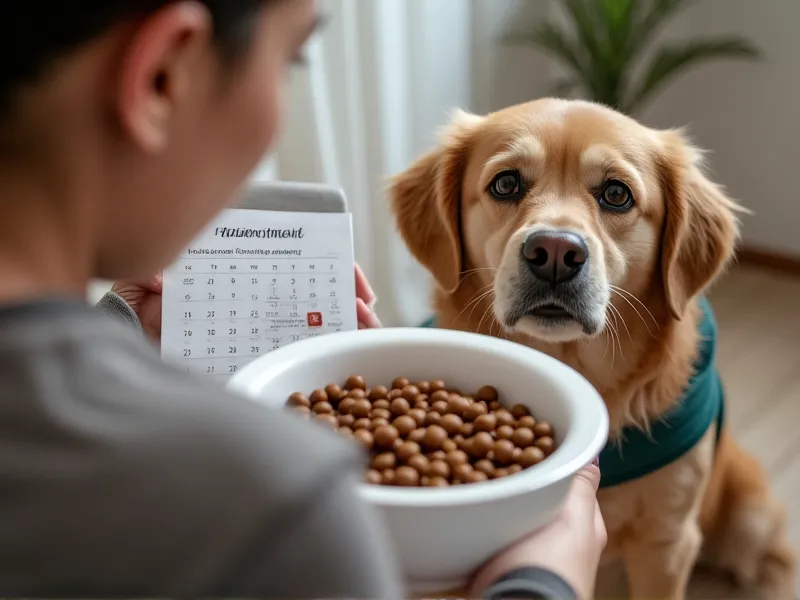
Table of Contents
- Can Dogs Eat Before Spaying? The Short Answer
- Why Fasting Matters: The Risk of Aspiration Pneumonia
- The Science Behind Pre-Surgery Fasting: How Long is Too Long?
- Exceptions to the Rule: When Fasting Guidelines Change
- What If Your Dog Accidentally Ate Before Surgery?
- FAQs: Your Pre-Spay Fasting Questions Answered
- Conclusion: Trust the Process, Prioritize Safety
1. Can Dogs Eat Before Spaying? The Short Answer
No, dogs should not eat before spaying.
Veterinarians universally recommend fasting (withholding food) before surgery to prevent life-threatening complications. While it might feel cruel to deny your hungry pup a meal, fasting is a critical safety measure that reduces the risk of aspiration pneumonia—a serious condition where stomach contents enter the lungs during anesthesia.
In short: Fasting isn’t about punishment; it’s about protecting your dog’s health.
2. Why Fasting Matters: The Risk of Aspiration Pneumonia
To understand why fasting is non-negotiable, let’s talk about how anesthesia works. When your dog is under anesthesia, their body relaxes—including the muscles that keep food and liquid in the stomach (like the esophageal sphincter). If the stomach is full, there’s a high chance of vomiting during or after surgery.
If vomit enters the lungs, it can cause aspiration pneumonia—an infection or inflammation of the lung tissue. Symptoms include difficulty breathing, coughing, fever, and lethargy. In severe cases, it can be fatal.
According to the Journal of the American Veterinary Medical Association (JAVMA), aspiration pneumonia affects up to 1% of dogs undergoing anesthesia, but the mortality rate can be as high as 50% in severe cases. Fasting drastically reduces this risk by ensuring the stomach is empty, leaving nothing to aspirate.
3. The Science Behind Pre-Surgery Fasting: How Long is Too Long?
Fasting guidelines vary slightly by vet, but most follow these general rules:
Food: 8–12 Hours Before Surgery
Most adult dogs should stop eating 8–12 hours before their scheduled surgery time. For example, if surgery is at 9 AM, the last meal should be no later than 9 PM the night before. This gives the stomach enough time to empty completely.
Water: 2–4 Hours Before Surgery
Water is usually allowed until 2–4 hours before surgery. Hydration is important, but too much water right before can still increase the risk of vomiting. Your vet will specify exact timing, but a good rule is to remove the water bowl at least 2 hours pre-op.
Why the Variation?
Your vet may adjust fasting times based on:
- Age: Puppies under 4 months have faster metabolisms and risk low blood sugar (hypoglycemia) if fasted too long. They may only need a 6–8 hour fast.
- Breed: Toy breeds (e.g., Chihuahuas, Yorkies) also have higher metabolism and may require shorter fasting periods to avoid hypoglycemia.
- Health Conditions: Diabetic dogs, for example, need careful blood sugar management. Your vet may allow a small meal with their usual insulin to prevent dangerous dips.
4. Exceptions to the Rule: When Fasting Guidelines Change
While fasting is standard, some dogs need special accommodations. Here are the most common exceptions:
Puppies Under 4 Months
Puppies burn energy quickly and can’t store glucose as well as adult dogs. A 12-hour fast could lead to weakness, shakiness, or even seizures from low blood sugar. Most vets recommend a 6–8 hour fast for puppies, sometimes with a tiny, low-carb snack (like a plain rice cake) 2–3 hours before surgery if needed.
Toy and Small Breeds
Dogs under 10 pounds (e.g., Maltese, Shih Tzus) are also prone to hypoglycemia. Your vet may shorten their fast to 6–8 hours and monitor their blood sugar closely on the day of surgery.
Dogs with Medical Conditions
- Diabetic Dogs: Insulin and food go hand-in-hand. Skipping a meal could cause blood sugar to plummet. Your vet may suggest a small, measured meal (like their regular kibble) with their usual insulin dose the morning of surgery.
- Pregnant or Nursing Dogs: Spaying is rare during pregnancy, but if needed, fasting may be adjusted to support the mother’s and puppies’ health.
- Dogs with Gastrointestinal Issues: If your dog has a history of vomiting or gastritis, your vet may recommend anti-nausea meds alongside fasting to prevent stomach irritation.
5. What If Your Dog Accidentally Ate Before Surgery?
Oops—you turned your back for 5 minutes, and your pup raided the trash or stole a treat. Don’t panic, but call your vet immediately.
- Do NOT hide it: Telling your vet is critical. They need to know to adjust their anesthesia plan (e.g., using anti-nausea drugs, monitoring more closely during recovery).
- Rescheduling may be necessary: In some cases, the vet may delay surgery by 12–24 hours to ensure the stomach is empty. It’s better to wait than risk aspiration.
- Puppies or small dogs: Even a small snack could be risky. Your vet may proceed with caution but will keep a closer eye on vital signs.
6. FAQs: Your Pre-Spay Fasting Questions Answered
Q: My dog is begging for food—can I give them a tiny treat?
A: No. Even a small treat (like a biscuit or piece of cheese) can leave food in the stomach. Stick to the fasting plan—your vet may offer a small reward after surgery once your dog is awake and stable.
Q: How do I keep my dog from getting hungry overnight?
A: Feed their last meal earlier in the evening (e.g., 7 PM instead of 9 PM) so they’re full before bedtime. Offer water until the cutoff time to keep them hydrated. Most dogs sleep through the night without issue!
Q: Can puppies drink water before surgery?
A: Yes, usually until 2–4 hours before. Puppies are more prone to dehydration, so check with your vet for their specific water cutoff time.
Q: My dog is diabetic—how will fasting affect their blood sugar?
A: Your vet will create a custom plan. This may include a small meal with insulin the morning of surgery, or adjusting insulin doses to prevent spikes/drops. Never skip insulin without consulting your vet!
Q: What if my dog throws up during fasting?
A: Contact your vet right away. Vomiting could signal an empty stomach (which is normal) or an underlying issue. Your vet may want to examine them before surgery.
7. Conclusion: Trust the Process, Prioritize Safety
Spaying is a life-saving procedure that prevents cancer, reduces behavioral issues, and keeps your dog healthy for years to come. Pre-surgery fasting might feel tough in the moment, but it’s one of the simplest ways to ensure their safety during anesthesia.
Remember: Every dog is different. Follow your vet’s specific instructions, ask questions if you’re unsure, and never hesitate to reach out if something goes wrong (like accidental snacking). Your pup’s comfort and safety are worth the temporary hunger pangs.
Here’s to a smooth surgery and a happy, healthy pup on the other side!
References
- American Veterinary Medical Association (AVMA). “Anesthesia and Your Pet.” avma.org/anesthesia
- American College of Veterinary Surgeons (ACVS). “Spaying (Ovariohysterectomy) in Dogs.” acvs.org/small-animal/spaying-ovariohysterectomy-dogs
- VCA Animal Hospitals. “Pre-Anesthetic Fasting in Pets.” vcahospitals.com/know-your-pet/pre-anesthetic-fasting-in-pets
- Journal of the American Veterinary Medical Association (JAVMA). “Aspiration Pneumonia in Dogs and Cats: A Retrospective Study.” (2018)