· 8 min read
Can Dogs Eat Beef Sticks? A Pet Parent’s Guide to Safe Snacking
You’re sitting on the couch, unwrapping a beef stick, when suddenly you feel a wet nose nudge your hand. Your dog, tail wagging, stares up at you with those irresistible “please share” eyes. It’s a common scenario—our pups are always eager to sample our snacks. But before you break off a piece, you pause: Is this safe? Can dogs eat beef sticks?
If you’ve ever wondered whether these salty, savory treats are a okay for your furry friend, you’re not alone. Beef sticks are a popular human snack, but when it comes to our dogs, not all “beefy” snacks are created equal. In this guide, we’ll break down the facts: the potential benefits, hidden risks, how much (if any) to feed, and healthier alternatives to keep your pup happy and healthy.
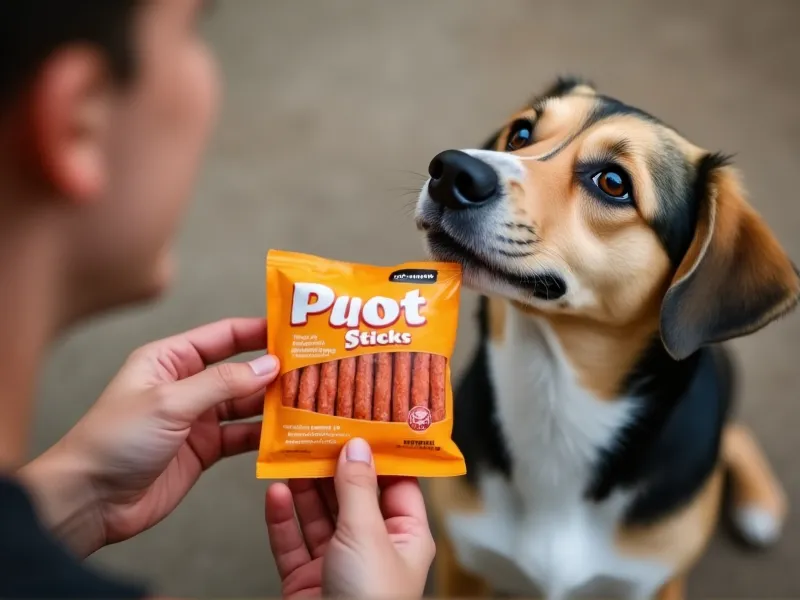
Table of Contents
- Can Dogs Eat Beef Sticks? The Short Answer
- Potential Benefits of Beef Sticks for Dogs
- Protein: A Building Block for Pups
- Key Nutrients: Zinc, Iron, and B Vitamins
- Fiber and Potassium (In Some Brands)
- Risks of Feeding Beef Sticks to Dogs
- Added Sugars: A Hidden Danger
- High Sodium and Stomach Upset
- Choking Hazards: Size and Texture Matter
- Harmful Additives and Preservatives
- How Much Beef Stick Is Safe for Your Dog?
- General Guidelines by Dog Size
- Frequency: Treats vs. Daily Diet
- Healthier Alternatives to Commercial Beef Sticks
- Homemade Beef Jerky (No Additives!)
- Fresh, Cooked Beef
- Vet-Recommended Commercial Treats
- FAQ: Your Beef Stick Questions Answered
- Conclusion: Moderation and Common Sense
- References
Can Dogs Eat Beef Sticks? The Short Answer
Yes, dogs can eat some beef sticks—but not all are safe, and they should never be a regular part of their diet.
The key here is “some.” Many commercial beef sticks are loaded with added sugars, salt, preservatives, and artificial flavors that can harm dogs. On the flip side, plain, minimally processed beef sticks (without these extras) may be safe as an occasional treat. But even then, moderation is critical.
Think of beef sticks like potato chips for dogs: tasty, but not nutritious enough to be a staple. Let’s dig into the details to help you make the best choice for your pup.
Potential Benefits of Beef Sticks for Dogs
While beef sticks aren’t a “superfood” for dogs, some varieties can offer small nutritional perks—if they’re made with high-quality ingredients. Here’s what to look for:
Protein: A Building Block for Pups
Beef is an excellent source of animal-based protein, which is essential for dogs. Protein supports muscle growth, repairs tissues, and keeps their coat shiny and skin healthy. A good beef stick should list “beef” as the first ingredient (not “beef by-products” or “meat meal”).
Example: A beef stick with 80%+ beef content can provide a quick protein boost, making it a satisfying reward during training.
Key Nutrients: Zinc, Iron, and B Vitamins
Lean beef is rich in zinc (supports immune function and wound healing), iron (prevents anemia by carrying oxygen in the blood), and B vitamins (like B12, which aids energy metabolism). These nutrients are naturally present in high-quality beef, so a simple beef stick (without added junk) can offer微量 (trace amounts) of these benefits.
Fiber and Potassium (In Some Brands)
Some beef stick brands add vegetables like sweet potatoes or carrots for flavor and texture. These veggies introduce fiber (supports digestion) and potassium (regulates heart and muscle function). For example, a beef stick with added pumpkin (a fiber-rich superfood for dogs) could gently aid digestion—though this is more of a bonus than a primary benefit.
Important Note: These benefits are only possible if the beef stick is minimally processed. Most store-bought beef sticks prioritize taste and shelf life over nutrition, so always read the label first!
Risks of Feeding Beef Sticks to Dogs
The biggest danger with beef sticks lies in their processing. Many commercial varieties are packed with ingredients that are harmless (or even tasty!) for humans but risky for dogs. Let’s break down the top concerns:
Added Sugars: A Hidden Danger
Dogs have no biological need for sugar. In fact, added sugars (like corn syrup, brown sugar, or honey) can lead to obesity, dental decay, and even diabetes in dogs.
Shocking Fact: A single 1-ounce beef stick can contain 3–5 grams of sugar—equivalent to 1–1.5 teaspoons! For a 20-pound dog, that’s way more than their daily recommended sugar intake (which should be near zero).
High Sodium: A Recipe for Stomach Upset (or Worse)
Beef sticks are notoriously salty. Sodium is used to enhance flavor and preserve the snack, but too much can cause:
- Vomiting or diarrhea (from stomach irritation)
- Thirst and excessive urination
- In severe cases, sodium ion poisoning (symptoms include seizures, tremors, or even death).
Dogs with kidney disease, heart issues, or hypertension are especially sensitive to salt. The Association of American Feed Control Officials (AAFCO) recommends no more than 0.3% sodium in a dog’s daily diet—many beef sticks exceed this in a single stick!
Choking Hazards: Size and Texture Matter
Beef sticks are often hard, dry, and cylindrical—perfect for a dog to gulp down without chewing. Small dogs, in particular, are at risk of choking if they bite off a large piece. Even larger dogs can experience blockages if pieces get stuck in their throat or intestines.
Pro Tip: If you do give a beef stick, break it into tiny, bite-sized pieces and supervise your dog while they eat.
Harmful Additives and Preservatives
To extend shelf life, many beef sticks contain additives like:
- BHA/BHT: Synthetic preservatives linked to cancer in lab animals (FDA allows them in small amounts, but many vets advise avoiding them).
- MSG: Can cause allergic reactions or stomach upset in some dogs.
- Artificial colors/flavors: Unnecessary and potentially toxic (e.g., Red 40, Yellow 5).
Always avoid beef sticks with a long list of unpronounceable ingredients—your dog’s body doesn’t need them!
How Much Beef Stick Is Safe for Your Dog?
If you’ve found a plain, low-sugar, low-sodium beef stick (more on that later), how much can you give? The golden rule: Treats should make up no more than 10% of your dog’s daily calories.
Here’s a rough guide based on weight:
| Dog Size | Weight | Max Beef Stick per Week (Plain, Low-Sodium) |
|---|---|---|
| Small | 5–20 lbs | 1–2 inches (broken into pieces) |
| Medium | 21–50 lbs | 3–4 inches |
| Large | 51–90 lbs | 5–6 inches |
| Extra-Large | 90+ lbs | 6–8 inches |
Example: A 30-pound medium dog needs about 700 calories daily. 10% is 70 calories—roughly 1–2 inches of a low-calorie beef stick (check the label for calories per serving!).
Frequency: Offer beef sticks once a week at most. Any more, and you risk weight gain or nutrient imbalances.
Healthier Alternatives to Commercial Beef Sticks
Instead of risky processed beef sticks, try these safer, more nutritious options:
Homemade Beef Jerky (No Additives!)
Make your own beef jerky by slicing lean beef (like sirloin) into thin strips, boiling out excess fat, then baking at 200°F for 2–3 hours until dry. No salt, sugar, or preservatives—just pure protein!
Fresh, Cooked Beef
A small cube of boiled or grilled beef (no seasonings!) is a simple, safe treat. It’s high in protein and free of additives.
Vet-Recommended Commercial Treats
Look for treats labeled “low-sodium,” “no added sugar,” and “human-grade.” Brands like Blue Buffalo Wilderness Trail Treats or Wellness Core Grain-Free Jerky are popular options—always check the label for “beef” as the first ingredient.
Veggie “Sticks”
For a crunchy, low-calorie alternative, try carrot sticks, cucumber slices, or green beans. They’re high in fiber and safe for most dogs (plus, they help clean teeth!).
FAQ: Your Beef Stick Questions Answered
Q: Can puppies eat beef sticks?
A: Puppies have sensitive tummies and developing kidneys. It’s best to avoid beef sticks—opt for puppy-safe treats like plain cooked chicken or freeze-dried liver instead.
Q: My dog ate a whole beef stick! Should I panic?
A: Monitor for symptoms like vomiting, diarrhea, excessive thirst, or lethargy. If they appear, call your vet. A single stick is unlikely to be toxic, but repeated overindulgence can cause issues.
Q: Are “all-natural” or “organic” beef sticks safer?
A: Not always. “All-natural” doesn’t mean no sugar or salt—read the label! Look for brands with 1–2 ingredients (e.g., “beef, water”) and no added sugars or preservatives.
Q: Can dogs eat beef jerky meant for humans?
A: Most human beef jerky is high in salt and sugar, so avoid it. Some “low-sodium” human jerky may be okay in tiny amounts, but it’s safer to stick to dog-specific treats.
Conclusion: Moderation and Common Sense
So, can dogs eat beef sticks? Yes, but only occasionally and carefully. The best beef sticks for dogs are plain, minimally processed, and free of sugar, salt, and additives. Even then, they should never replace balanced dog food.
When in doubt, ask yourself: “Would I feed this to a toddler?” If the answer is no (because of sugar, salt, or choking risk), don’t feed it to your dog! And always consult your vet before introducing new treats, especially if your pup has health issues.
Your dog’s begging eyes are hard to resist, but their health is worth the extra effort. Stick to safe, nutritious treats, and you’ll both enjoy snack time—guilt-free!
References
- American Veterinary Medical Association (AVMA). “Feeding Your Pet: Treats.” avma.org/resources/pet-owners/nutrition/feeding-your-pet-treats
- U.S. Food and Drug Administration (FDA). “Pet Food: What You Need to Know.” fda.gov/animal-veterinary/animal-food-feeds/pet-food-what-you-need-know
- Cummings Veterinary Medical Center. “Nutrition for Dogs.” cumcams.columbia.edu/centers-and-institutes/cummings-veterinary-medical-center
- Association of American Feed Control Officials (AAFCO). “Dog Food Nutrient Profiles.” aafco.org/Consumer-Information/Understanding-Pet-Food-Labels