· 9 min read
Can Dogs Eat Beef Stew? A Pet Parent’s Guide to Safe Sharing
It’s a crisp fall evening, and you’re savoring a bowl of homemade beef stew. The air smells of slow-cooked meat, earthy carrots, and buttery potatoes—comfort in a bowl. Then, you feel a soft nudge at your knee: your dog, tail thumping, big eyes fixed on your spoon. “Just a bite?” you wonder. After all, dogs love meat, and stew looks so… wholesome. But is sharing your beef stew safe for your pup?
If you’ve ever asked this question, you’re not alone. Beef stew is a beloved human dish, but when it comes to our four-legged friends, not all “wholesome” foods are created equal. Let’s dive into the details: Can dogs eat beef stew? What are the risks? And if it is safe, how much can they have?
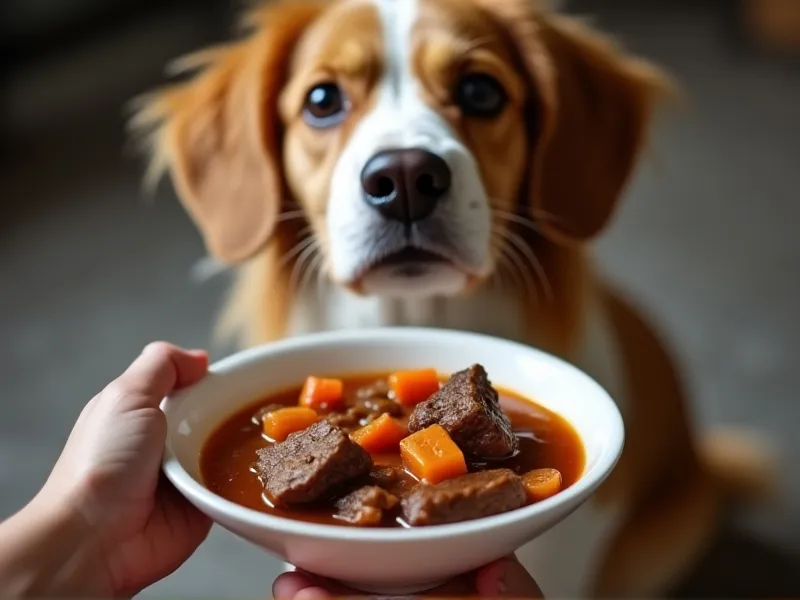
Table of Contents
- Can Dogs Eat Beef Stew? The Short Answer
- Potential Benefits of Beef Stew for Dogs
- Nutrient-Rich Protein from Beef
- Fiber from Veggies
- Potassium and Essential Vitamins
- Risks of Feeding Beef Stew to Dogs
- Toxic Ingredients: Onions, Garlic, and Alliums
- Excess Salt and Sugar
- Choking Hazards (Bones, Large Veggies)
- Stomach Upset from Rich or Spicy Additives
- Guidelines: How to Safely Feed Beef Stew to Your Dog
- Step 1: Check the Ingredients (Critical!)
- Step 2: Control Portion Size
- Step 3: Prepare It Properly
- Healthier Alternatives to Store-Bought or Heavily Seasoned Stew
- Homemade Dog-Friendly Beef Stew Recipe
- FAQ: Your Beef Stew Questions Answered
- Conclusion: Moderation and Common Sense
- References
Can Dogs Eat Beef Stew? The Short Answer
Yes, dogs can eat beef stew—but only if it’s made with dog-safe ingredients, is low in salt/sugar, and served in moderation.
The key here is ingredients. A plain, homemade stew with lean beef, carrots, sweet potatoes, and a dash of low-sodium broth? That could be a tasty, occasional treat. But most store-bought or restaurant stews? They’re often loaded with onions, garlic, excess salt, or spices that are toxic or harmful to dogs.
Think of it this way: Beef stew isn’t inherently dangerous, but the “extras” we add to make it delicious for humans can turn it into a risk. Let’s break down the good, the bad, and the ugly.
Potential Benefits of Beef Stew for Dogs
If you’re serving a dog-safe version of beef stew, it can offer some nutritional perks. Here’s what makes it a (sometimes) healthy choice:
1. Nutrient-Rich Protein from Beef
Beef is a fantastic source of high-quality protein, which dogs need for muscle growth, repair, and overall energy. It also provides essential amino acids, iron (supports healthy blood cells), zinc (boosts immune function), and B vitamins (aids metabolism).
Look for lean cuts (like sirloin or chuck) with minimal fat—too much fat can lead to pancreatitis in dogs, especially smaller breeds or those prone to digestive issues.
2. Fiber from Veggies
Many stews include veggies like carrots, peas, green beans, or sweet potatoes. These are packed with fiber, which helps keep your dog’s digestive system running smoothly. Fiber also helps them feel full, which can be helpful for weight management (in moderation, of course!).
Carrots, for example, are low in calories and high in beta-carotene (which converts to vitamin A, supporting eye health). Green beans add crunch and fiber without extra calories—they’re even a popular “healthy treat” for dogs!
3. Potassium and Essential Vitamins
Potatoes (white or sweet) and carrots are rich in potassium, an electrolyte that supports heart health and muscle function. Sweet potatoes, in particular, are a great source of vitamin C (antioxidant) and vitamin B6 (aids brain development).
Again, this is only true if the veggies are cooked (raw potatoes can be hard to digest) and free from added seasonings.
Risks of Feeding Beef Stew to Dogs
Now, the not-so-good news: Most beef stews (especially store-bought or restaurant versions) come with hidden dangers. Let’s unpack the risks to watch for.
1. Toxic Ingredients: Onions, Garlic, and Alliums
This is the biggest risk. Onions, garlic, leeks, chives, and shallots (all part of the allium family) are extremely toxic to dogs. Even small amounts can damage their red blood cells, leading to a condition called hemolytic anemia, where the blood can’t carry oxygen properly.
Symptoms of allium toxicity include weakness, lethargy, pale gums, vomiting, or dark urine. In severe cases, it can be life-threatening.
Unfortunately, onions and garlic are staples in most human beef stew recipes—they add depth of flavor. So if your stew includes these, do not share it with your dog. Even “small amounts” (like a sprinkle of garlic powder) can be risky over time.
2. Excess Salt and Sugar
Many commercial stews (canned or frozen) are loaded with salt to enhance flavor and extend shelf life. Dogs need only a tiny amount of sodium in their diet—about 100-200 mg per day for a 30-pound dog. A single cup of store-bought beef stew can contain 500+ mg of sodium!
Too much salt can lead to sodium ion poisoning, causing symptoms like excessive thirst, urination, vomiting, diarrhea, tremors, or even seizures.
Sugar is another culprit. Some stews (especially those with tomato-based sauces) add sugar or honey to balance acidity. Dogs don’t need sugar, and excess can lead to obesity, dental issues, or even diabetes over time.
3. Choking Hazards (Bones, Large Veggies)
If your stew has bones—even “soft” beef bones—they’re a major choking risk. Cooked bones can splinter, sharp fragments can pierce the throat, stomach, or intestines, leading to blockages or internal bleeding.
Large chunks of veggies (like uncut carrots or potatoes) can also pose a choking hazard, especially for small dogs. Always chop veggies into bite-sized pieces if you’re sharing.
4. Stomach Upset from Rich or Spicy Additives
Butter, heavy cream, wine, or spices like chili powder, paprika, or black pepper can irritate a dog’s sensitive stomach. These ingredients can cause vomiting, diarrhea, or even pancreatitis (inflammation of the pancreas) in dogs, which is painful and potentially life-threatening.
Guidelines: How to Safely Feed Beef Stew to Your Dog
If you want to share a bite of stew with your pup, follow these rules to minimize risk:
Step 1: Check the Ingredients (Critical!)
Before anything else, read the label (if store-bought) or recall your recipe (if homemade). If it contains onions, garlic, leeks, chives, excess salt, sugar, alcohol, or spices—don’t share it.
Even “natural” seasonings like onion powder or garlic salt are dangerous. When in doubt, ask: “Would I feed this ingredient to my dog on its own?” If the answer is no, skip the stew.
Step 2: Control Portion Size
Beef stew should be an occasional treat, not a meal replacement. A general rule of thumb:
- Small dogs (under 20 lbs): 1-2 tablespoons
- Medium dogs (20-50 lbs): ¼ cup
- Large dogs (50+ lbs): ½ cup
Too much can lead to stomach upset or weight gain. Remember: Treats should make up no more than 10% of your dog’s daily calories.
Step 3: Prepare It Properly
- Remove bones, fat, and skin: Trim excess fat from beef (high fat = pancreatitis risk), and never include bones.
- Chop veggies into small pieces: Carrots, potatoes, or beans should be bite-sized to avoid choking.
- Drain excess broth: If the stew is soupy, drain some broth to reduce sodium (even low-sodium broth has some salt).
- Serve warm, not hot: Let it cool to avoid burning your dog’s mouth.
Healthier Alternatives to Store-Bought or Heavily Seasoned Stew
The safest way to share beef stew with your dog is to make a dog-specific version at home. It’s easy, affordable, and you control the ingredients. Here’s a simple recipe:
Dog-Friendly Beef Stew Recipe
Ingredients:
- ½ pound lean beef (sirloin or chuck), trimmed and cubed
- 1 carrot, peeled and chopped into small pieces
- ½ sweet potato, peeled and cubed (small pieces!)
- ¼ cup green beans, chopped
- 1 cup low-sodium beef broth (no onions/garlic!)
- 1 tbsp olive oil (optional, for browning meat)
Instructions:
- Heat olive oil in a pan over medium heat. Add beef cubes and cook until browned on all sides (about 5 minutes).
- Transfer beef to a small pot. Add carrot, sweet potato, green beans, and broth.
- Bring to a boil, then reduce heat and simmer for 20-25 minutes, until veggies are soft and beef is tender.
- Let cool, then mash or chop into bite-sized pieces (depending on your dog’s size).
Why it works: Lean beef for protein, veggies for fiber and vitamins, and low-sodium broth for moisture. No toxic ingredients, salt, or sugar!
FAQ: Your Beef Stew Questions Answered
Q: Can dogs eat store-bought beef stew?
A: Generally, no. Most store-bought stews contain onions, garlic, or high salt. Check the label for allium ingredients—if listed, avoid.
Q: My dog accidentally ate a stew with onions. What should I do?
A: Contact your vet immediately. Even small amounts of onions/garlic can cause toxicity, especially if your dog is small or ate a large portion. Symptoms may take 2-5 days to appear, so don’t wait for signs of illness.
Q: Is beef broth safe for dogs?
A: Yes, but only low-sodium, onion/garlic-free broth. Avoid broths with added seasonings, salt, or “natural flavors” that may include alliums.
Q: Can puppies eat beef stew?
A: Puppies have sensitive stomachs, so it’s best to stick to their regular puppy food. If you want to share, ask your vet first, and serve a tiny portion (1-2 tsp for small breeds) of plain, dog-safe stew.
Q: Are tomatoes in stew safe for dogs?
A: Ripe tomatoes are non-toxic, but the green parts (stems, leaves) contain solanine, which is toxic. If your stew has ripe, chopped tomatoes (no green parts), it’s probably okay in small amounts.
Conclusion: Moderation and Common Sense
Beef stew can be a cozy, occasional treat for your dog—if it’s made with safe ingredients and served in small portions. The key is to avoid toxic alliums (onions, garlic), excess salt/sugar, and choking hazards. When in doubt, opt for a homemade dog-friendly version, or skip the stew and share a plain, cooked carrot or lean beef piece instead.
Every dog is different—some may tolerate a bite of stew just fine, while others (like those with sensitive stomachs or health conditions) may react poorly. When introducing new foods, start small and monitor for signs of upset (vomiting, diarrhea, lethargy). And when in doubt, always consult your vet—they know your dog’s unique needs best.
At the end of the day, sharing food with our dogs is about connection. Just make sure that connection is safe, too.
References
- American Society for the Prevention of Cruelty to Animals (ASPCA). “People Foods to Avoid Feeding Your Pets.” aspca.org/pet-care/animal-poison-control/people-foods-avoid-feeding-your-pet
- American Veterinary Medical Association (AVMA). “Nutrition for Dogs.” avma.org/resources/pet-owners/nutrition/nutrition-dogs
- VCA Hospitals. “Onion and Garlic Toxicity in Dogs.” vcahospitals.com/know-your-pet/onion-and-garlic-toxicity-in-dogs
- PetMD. “Can Dogs Eat Potatoes?” petmd.com/dog/nutrition/can-dogs-eat-potatoes