· 10 min read
Can Dogs Eat BBQ Sauce? The Surprising Truth Every Pet Parent Needs to Know
It’s a sunny Saturday afternoon, and you’re firing up the grill. The smell of smoky ribs and tangy BBQ sauce fills the air—and your dog, tail wagging a mile a minute, is giving you the “please share” eyes. We’ve all been there: that irresistible puppy gaze makes it hard to say no. But before you sneak them a slather of that delicious sauce, you pause. Can dogs eat BBQ sauce? Is it a harmless treat or a hidden danger?
As pet parents, we want to spoil our furry friends, but their bodies process food differently than ours. What’s a tasty condiment for us could be a recipe for trouble for them. In this guide, we’ll break down the facts: the ingredients in BBQ sauce that could harm your dog, the (very few) potential benefits, and safer alternatives to satisfy their馋虫 (that’s “馋虫” — or “craving bug” — in dog speak). Let’s dive in!
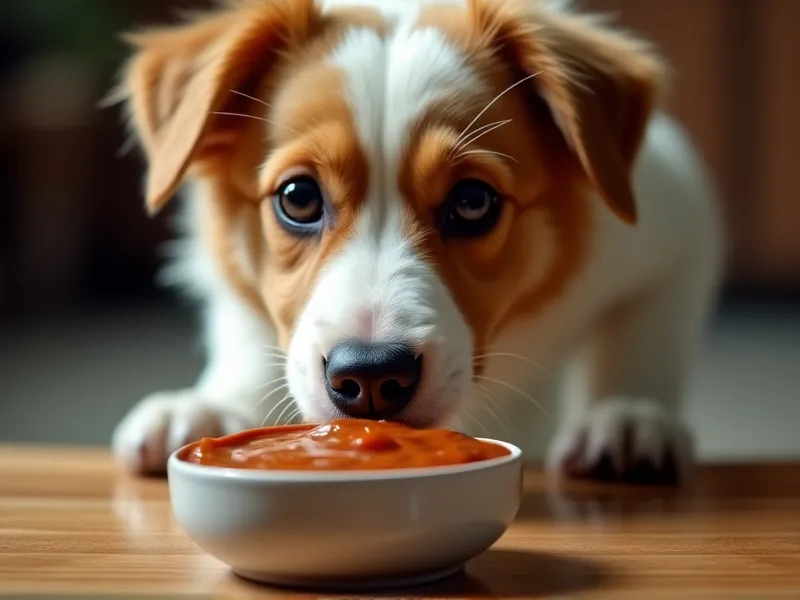
Table of Contents
- Can Dogs Eat BBQ Sauce? The Short Answer
- What’s Actually in BBQ Sauce? Let’s Read the Label
- Potential “Benefits” of BBQ Sauce for Dogs: Are There Any?
- The Risks of BBQ Sauce for Dogs: Why It’s a No-Go
- Sugar: A Hidden Danger for Dogs
- Salt: Too Much Can Cause Dehydration and Kidney Strain
- Onion and Garlic: Toxic to Dogs (Even in Small Amounts)
- Spices and Additives: Irritants for Sensitive Stomachs
- Xylitol: A Sweetener That’s Deadly for Dogs
- How Much BBQ Sauce Is “Safe” for Dogs? Spoiler: It’s Better to Avoid
- Healthier Alternatives to BBQ Sauce: Treats Your Dog Will Love
- FAQ: Your Burning Questions Answered
- Conclusion: Keep the Grill Safe and Your Pup Happy
1. Can Dogs Eat BBQ Sauce? The Short Answer
No, dogs should not eat BBQ sauce.
While a tiny accidental lick (like a drop from your finger) might not cause immediate harm, BBQ sauce is not safe for dogs to consume regularly or in even moderate amounts. Most store-bought and homemade BBQ sauces are packed with ingredients that are toxic, irritating, or unhealthy for dogs—think sugar, salt, onions, garlic, and spices. Even “natural” or “organic” versions often contain these risky additives.
To keep your pup safe, it’s best to skip the sauce entirely. But let’s get into the details so you understand why—and what to do if they sneak a taste.
2. What’s Actually in BBQ Sauce? Let’s Read the Label
Before we talk about risks, let’s unpack what’s in that bottle of BBQ sauce. While recipes vary, most include a mix of these ingredients:
- Tomato base: Usually tomato paste, ketchup, or crushed tomatoes.
- Sweeteners: Brown sugar, molasses, honey, high-fructose corn syrup, or (in “sugar-free” versions) artificial sweeteners like xylitol.
- Acid: Vinegar, lemon juice, or citrus zest (for tang).
- Salt: To enhance flavor.
- Spices: Onion powder, garlic powder, paprika, chili powder, cumin, or black pepper.
- Smoke flavoring: Natural (from wood smoke) or artificial.
- Preservatives/additives: Like sodium benzoate or caramel color (for shelf life and appearance).
At first glance, some of these sound harmless (tomatoes! vinegar!). But when combined—and in the quantities found in BBQ sauce—they become a problem for dogs. Let’s break down the good, the bad, and the ugly.
3. Potential “Benefits” of BBQ Sauce for Dogs: Are There Any?
You might be thinking, “But tomatoes are good for dogs, right?” It’s true: ripe, plain tomatoes (the fruit, not the leaves or stems, which are toxic) are non-toxic and contain vitamins A and C, potassium, and fiber. In small amounts, they can even be a healthy snack.
But here’s the catch: BBQ sauce is not a source of “good” tomato nutrition for dogs. The tiny amount of tomato in the sauce is drowned out by sugar, salt, and other harmful ingredients. For example, a 2-tablespoon serving of a popular BBQ sauce contains ~10 grams of sugar and 300 mg of sodium—way more than a dog needs in a day.
In short: Any “benefits” from the tomato base are negligible compared to the risks. BBQ sauce is a treat for us, not for them.
4. The Risks of BBQ Sauce for Dogs: Why It’s a No-Go
Now, let’s get to the concerning part: the ingredients in BBQ sauce that can harm your dog.
Sugar: A Hidden Danger for Dogs
Dogs’ bodies are not designed to process large amounts of sugar. While a little sugar won’t kill them, regular exposure can lead to serious health issues:
- Obesity: Extra sugar turns into fat, and obesity in dogs increases the risk of diabetes, joint pain, and heart disease.
- Dental disease: Sugar feeds harmful bacteria in your dog’s mouth, leading to cavities, gum disease, and bad breath.
- Pancreatitis: High-sugar (and high-fat) foods can trigger pancreatitis—a painful, potentially life-threatening inflammation of the pancreas. Symptoms include vomiting, diarrhea, lethargy, and loss of appetite.
Most BBQ sauces are loaded with sugar. For example, a single tablespoon of sweet-style BBQ sauce can have 5–8 grams of sugar—about as much as a chocolate chip cookie! For a 30-pound dog, the daily recommended sugar intake is less than 1 gram. That spoonful of sauce is already 5–8 times over the limit.
Salt: Too Much Can Cause Dehydration and Kidney Strain
Salt (sodium) is another major culprit in BBQ sauce. Dogs need a small amount of sodium to stay healthy (about 100 mg per kg of body weight per day), but BBQ sauce is packed with it. A 2-tablespoon serving can have 300–600 mg of sodium—enough to push a small dog (like a 10-pound Chihuahua) way over their daily limit.
Too much salt can lead to sodium ion poisoning, which causes:
- Excessive thirst and urination
- Vomiting and diarrhea
- Lethargy or restlessness
- Tremors or seizures (in severe cases)
In extreme cases, high sodium can even damage the kidneys over time.
Onion and Garlic: Toxic to Dogs (Even in Small Amounts)
Here’s the scariest ingredient: onion and garlic powder. These are staples in most BBQ sauces (they add that “umami” flavor we love), but they’re highly toxic to dogs.
Onions, garlic, leeks, and chives belong to the Allium family, which contains compounds called thiosulphates. Dogs can’t digest these compounds, so they build up in the bloodstream and damage red blood cells, leading to hemolytic anemia. Symptoms of anemia include:
- Weakness or lethargy
- Pale gums
- Rapid breathing or heartbeat
- Dark, discolored urine
Even a small amount of onion or garlic powder (like what’s in a spoonful of BBQ sauce) can cause problems, especially in small dogs or those with pre-existing health issues. The ASPCA explicitly lists onions and garlic as toxic to dogs, with no “safe” threshold.
Spices and Additives: Irritants for Sensitive Stomachs
BBQ sauce often includes spices like paprika, chili powder, or black pepper. While these aren’t toxic, they can irritate your dog’s digestive system. Dogs have sensitive stomachs, and spicy foods can cause:
- Upset stomach
- Diarrhea
- Gas
- Abdominal pain
Artificial preservatives, colorings, or flavorings (like caramel color or “natural smoke flavor”) can also trigger allergic reactions in some dogs, leading to itching, hives, or swelling.
Xylitol: A Sweetener That’s Deadly for Dogs
If you opt for “sugar-free” BBQ sauce, watch out for xylitol. This artificial sweetener is toxic to dogs—even in tiny amounts. Xylitol causes a rapid release of insulin in dogs, leading to a dangerous drop in blood sugar (hypoglycemia). Symptoms include:
- Vomiting
- Loss of coordination
- Seizures
- Liver failure (in severe cases)
Xylitol is often listed under names like “birch sugar” or “wood sugar,” so always check labels carefully.
5. How Much BBQ Sauce Is “Safe” for Dogs? Spoiler: It’s Better to Avoid
By now, you’re probably thinking, “Okay, so a little bit won’t hurt, right?” The truth is, there’s no “safe” amount of BBQ sauce for dogs. Even a teaspoon can contain enough sugar, salt, or onion powder to cause discomfort or worse, depending on your dog’s size, age, and health.
If your dog accidentally licks a tiny amount (like a drop from your plate), monitor them for 24 hours. If they show symptoms like vomiting, diarrhea, or lethargy, call your vet. For larger amounts (e.g., they stole a whole rib slathered in sauce), contact your vet or an emergency animal clinic immediately—especially if the sauce contains xylitol or garlic/onion powder.
6. Healthier Alternatives to BBQ Sauce: Treats Your Dog Will Love
Just because BBQ sauce is off-limits doesn’t mean your pup can’t join in on the grilling fun! Here are some dog-friendly alternatives that are safe, tasty, and sure to make their tail wag:
Plain Cooked BBQ Meat (No Sauce!)
The star of the BBQ—without the sauce—is usually safe for dogs. Plain, unseasoned grilled chicken, turkey, or lean beef (no bones!) is a protein-packed treat. Just make sure it’s fully cooked (no pink!) and cooled down to avoid burns.
Fresh Veggies: Crunchy and Nutritious
Dogs love crunchy snacks, and veggies are a great low-calorie option. Try offering:
- Carrot sticks (high in vitamin A)
- Green beans (fiber and vitamins)
- Cucumber slices (hydrating and low-sugar)
- Sweet potato cubes (cooked, no butter or salt—rich in beta-carotene)
Unsweetened Applesauce or Pumpkin Puree
For a sweet, tangy treat (without the sugar!), try unsweetened applesauce or plain pumpkin puree (not the pie filling!). Both are high in fiber and vitamins, and most dogs go crazy for their natural sweetness.
Homemade “Dog-Friendly BBQ” (Skip the Sauce, Add Safe Flavors)
Want to get creative? Make a dog-safe “BBQ” rub using herbs like parsley, basil, or oregano (all safe for dogs) mixed with a tiny pinch of salt (or none at all). Rub it on plain chicken or turkey before grilling for a smoky, flavorful treat they’ll love.
7. FAQ: Your Burning Questions Answered
Q: My dog ate BBQ sauce—what should I do?
A: Stay calm! If it was a tiny amount (a lick or two), monitor them for 24 hours for symptoms like vomiting, diarrhea, or lethargy. If they ate more than a teaspoon, or if the sauce contains xylitol, garlic, or onion powder, call your vet immediately. They may recommend inducing vomiting or monitoring for signs of toxicity.
Q: Is there any type of BBQ sauce that’s safe for dogs?
A: No. Even “organic” or “natural” BBQ sauces contain sugar, salt, or spices that are unhealthy for dogs. Making homemade sauce without these ingredients (e.g., plain tomato paste with water) might be safer, but it’s still unnecessary—dogs don’t need sauce to enjoy food!
Q: Can dogs have BBQ chicken or ribs without the sauce?
A: Yes! Plain, cooked, boneless BBQ meat is generally safe. Just avoid fatty cuts (like pork ribs with lots of fat), which can cause pancreatitis. Remove all bones (they can splinter and cause choking or internal damage) and make sure the meat is fully cooked.
Q: Are there other grill-related foods I should avoid giving my dog?
A: Yes! Steer clear of:
- Corn on the cob (choking hazard)
- Hot dogs (high in salt and preservatives)
- Onion rings or garlic bread (toxic Allium family)
- Alcohol (even a sip can be dangerous)
8. Conclusion: Keep the Grill Safe and Your Pup Happy
BBQ season is all about good food and good company—and that includes your furry family member. While it’s tempting to share your favorite sauce, BBQ sauce is best kept off the doggy menu. With its high sugar, salt, and toxic ingredients like onion and garlic, it’s just not worth the risk.
Instead, opt for safe treats like plain grilled meat, fresh veggies, or unsweetened applesauce. Your dog will love the attention, and you’ll have peace of mind knowing you’re keeping them healthy.
As always, if you’re unsure about a food or your dog shows signs of illness after eating something, don’t hesitate to call your vet. They’re your best resource for keeping your pup safe and happy—now and all year round.
Here’s to a summer of grilling, tail wags, and safe treats for everyone!
References
- American Society for the Prevention of Cruelty to Animals (ASPCA). “Toxic and Non-Toxic Plants: Onion.” aspca.org
- PetMD. “Can Dogs Eat BBQ Sauce?” petmd.com
- American Kennel Club (AKC). “Human Foods Dogs Can and Can’t Eat.” akc.org
- Cummings School of Veterinary Medicine at Tufts University. “Xylitol Toxicity in Dogs.” tuftscvm.org
- Veterinary Information Network (VIN). “Sodium Ion Toxicity in Dogs.” vin.com