· 8 min read
Can Dogs Eat Basil Pesto? What Pet Parents Need to Know
Picture this: You’re in the kitchen, chopping fresh basil, toasting pine nuts, and blending up a vibrant batch of homemade pesto. The scent is irresistible, and your dog—ever the culinary critic—trots over, tail wagging, nose twitching, begging for a taste. Before you cave to those puppy eyes, you pause: Is basil pesto safe for dogs?
As pet parents, we want to share the things we love with our furry friends, but not all human foods are dog-friendly. Pesto, with its mix of herbs, nuts, and oils, is a prime example of a dish that needs a closer look. Let’s break down whether your dog can safely lick the spoon (spoiler: it’s not as simple as “yes” or “no”) and how to keep mealtime both tasty and healthy for your pup.
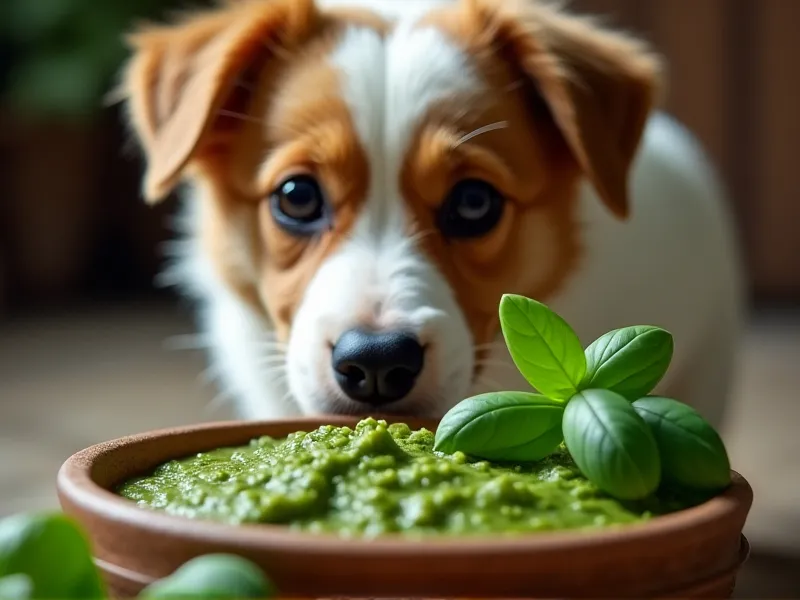
Table of Contents
- Can Dogs Eat Basil Pesto? The Short Answer
- What’s in Basil Pesto, Anyway?
- The Benefits of Basil for Dogs
- The Risks of Pesto for Dogs: Why Not All Ingredients Are Safe
- Safe Pesto Guidelines: If (and How) to Share
- Healthier Alternatives to Basil Pesto for Dogs
- FAQ: Your Pesto and Pup Questions Answered
- Conclusion: When in Doubt, Ask Your Vet
- References
Can Dogs Eat Basil Pesto? The Short Answer
Most commercial basil pesto is NOT safe for dogs. Why? Because traditional pesto recipes (and most store-bought versions) include garlic and/or onions—two ingredients that are toxic to dogs. Even small amounts of these alliums can damage your dog’s red blood cells, leading to anemia.
That said, plain basil (the star of pesto) is generally safe for dogs in moderation. If you make a homemade pesto without garlic, onions, or excessive salt, a tiny spoonful might be okay as an occasional treat. But proceed with extreme caution: pesto’s high fat, nuts, and dairy (like parmesan) can still pose risks.
What’s in Basil Pesto, Anyway?
To understand why pesto is tricky for dogs, let’s start with its core ingredients. Traditional basil pesto (originally from Genoa, Italy) typically includes:
- Fresh basil leaves (the main flavor)
- Garlic (a key aromatic)
- Pine nuts (or walnuts, almonds, etc.)
- Olive oil (for creaminess)
- Parmesan cheese (for saltiness and depth)
- Salt (to taste)
Some recipes add lemon juice, pepper, or even onions. While these ingredients make pesto delicious for humans, several are problematic for dogs. Let’s break down the good, the bad, and the risky.
The Benefits of Basil for Dogs
Let’s start with the hero: basil! This fragrant herb isn’t just a pizza topping—it’s packed with nutrients that can benefit your dog when offered in small, fresh amounts. Here’s why basil gets a “paw-sitive” rating:
1. Rich in Antioxidants
Basil contains antioxidants like flavonoids and polyphenols, which help fight free radicals in your dog’s body. Free radicals contribute to aging and disease, so antioxidants support overall cellular health (PetMD).
2. Vitamins A & K
- Vitamin A: Essential for eye health, immune function, and healthy skin/coat.
- Vitamin K: Supports blood clotting and bone health, helping your dog heal faster and maintain strong bones (AKC).
3. Fiber & Potassium
Basil has small amounts of fiber, which aids digestion, and potassium, an electrolyte that regulates heart rhythm and muscle function.
4. Anti-Inflammatory Properties
Some studies suggest basil may have mild anti-inflammatory effects, which could soothe minor skin irritations or digestive upset (though more research is needed for dogs specifically).
The Risks of Pesto for Dogs: Why Not All Ingredients Are Safe
While basil is safe, the other components of pesto can turn this tasty spread into a hazard. Let’s unpack the risks:
1. Garlic & Onions: Toxic to Dogs
Garlic and onions (and leeks, chives, shallots) belong to the Allium family, which is highly toxic to dogs. Even small amounts can cause hemolytic anemia, where red blood cells burst, leading to weakness, lethargy, vomiting, or even organ failure.
The ASPCA warns that all forms of alliums—raw, cooked, powdered, or dehydrated—are dangerous. A single clove of garlic can harm a small dog, and larger doses are deadly (ASPCA).
Most store-bought pestos include garlic, so skip the jarred stuff!
2. High Fat Content: Pancreatitis Risk
Pesto is loaded with fat from olive oil and nuts (pine nuts, walnuts, etc.). While a little fat is part of a healthy dog diet, excessive fat can trigger pancreatitis—a painful, potentially life-threatening inflammation of the pancreas. Symptoms include vomiting, diarrhea, and abdominal pain (VCA Hospitals).
Small dogs and breeds prone to pancreatitis (like Miniature Schnauzers) are especially at risk.
3. Nuts: Choking Hazards & Fat Overload
Pine nuts (the traditional choice for pesto) are not toxic to dogs, but they’re high in fat and calories. Too many can lead to weight gain or pancreatitis. Plus, if nuts aren’t ground into a fine paste, they could pose a choking hazard, especially for small dogs.
Pro tip: Avoid pesto with macadamia nuts—these are toxic to dogs and can cause weakness, vomiting, or hyperthermia (ASPCA).
4. Parmesan Cheese: Lactose & Sodium Issues
Parmesan is salty and high in lactose. Most adult dogs are lactose intolerant, meaning they lack the enzyme to digest dairy, leading to gas, diarrhea, or upset stomach. Excess salt can also cause sodium ion poisoning, with symptoms like excessive thirst, urination, or seizures (PetMD).
5. Added Sugars or Preservatives
Some commercial pestos include added sugars, artificial flavors, or preservatives to extend shelf life. These add no nutritional value and can upset your dog’s stomach.
Safe Pesto Guidelines: If (and How) to Share
If you’re determined to let your dog try a “pesto-like” treat, here’s how to do it safely:
1. Skip the Toxic Ingredients
Never include garlic, onions, shallots, or chives. These are non-negotiable—even a tiny amount can harm your dog.
2. Make It Homemade (and Simple)
Stick to a basic recipe:
- Fresh basil leaves (washed, stems removed)
- A tiny drizzle of olive oil (1–2 teaspoons max)
- A pinch of pine nuts (optional, and only if ground into a paste)
- No salt, cheese, or extras.
3. Portion Control Is Key
Even “dog-safe” pesto should be a treat, not a meal. A general rule:
- Small dogs (under 20 lbs): ¼–½ teaspoon
- Medium dogs (20–50 lbs): ½–1 teaspoon
- Large dogs (50+ lbs): 1–2 teaspoons
Serve it mixed into their regular food, not alone, to avoid overindulging.
4. Monitor for Reactions
After sharing, watch for signs of upset: vomiting, diarrhea, lethargy, or loss of appetite. If you notice any, contact your vet.
Healthier Alternatives to Basil Pesto for Dogs
Why risk pesto when there are safer, tastier ways to share herbs with your pup? Here are our top picks:
1. Plain Fresh Basil Leaves
Wash a few fresh basil leaves and tear them into small pieces. Add them to your dog’s kibble or serve as a crunchy snack. It’s low-calorie, nutrient-dense, and dogs often love the fresh flavor!
2. Dog-Friendly “Pesto”
Blend fresh basil with a spoonful of plain Greek yogurt (unsweetened, lactose-free if possible) and a drizzle of olive oil. Freeze in ice cube trays for a cool summer treat.
3. Herb Mixes
Mix basil with other dog-safe herbs like parsley (freshens breath!), mint (soothes upset tummies), or rosemary (antioxidant-rich). Sprinkle a pinch over their food for extra flavor.
4. Frozen Basil Cubes
Blend basil with water or low-sodium chicken broth, pour into ice cube trays, and freeze. These make great teething toys for puppies or cooling treats on hot days.
FAQ: Your Pesto and Pup Questions Answered
Q: Can dogs eat plain basil leaves?
A: Yes! Fresh basil is safe in small amounts. Avoid dried basil (it’s more concentrated and may have added salt).
Q: My dog ate a spoonful of store-bought pesto. Should I panic?
A: It depends on the ingredients. If the pesto had garlic/onions, contact your vet immediately—even a small amount can be toxic. Watch for symptoms like lethargy, pale gums, or vomiting.
Q: Is olive oil safe for dogs?
A: In tiny amounts (like 1 teaspoon per 20 lbs of body weight), olive oil can support skin and coat health. But too much causes diarrhea or pancreatitis.
Q: Can dogs have pine nuts?
A: Pine nuts are not toxic, but they’re high in fat. Offer only a few ground into a paste (never whole, to avoid choking) as an occasional treat.
Q: What if my dog is allergic to basil?
A: Allergies are rare, but possible. Signs include itching, red skin, or swelling. If you notice these, stop feeding basil and consult your vet.
Conclusion: When in Doubt, Ask Your Vet
Basil pesto is a human favorite, but most versions are off-limits for dogs due to garlic, onions, and high fat. While fresh basil itself is safe and even beneficial, the other ingredients in pesto make it a risky choice.
If you want to share a basil-flavored treat, stick to plain leaves or a homemade, garlic-free “dog pesto” in tiny portions. And as always, when introducing new foods, check with your vet first—especially if your dog has allergies, pancreatitis, or other health issues.
Your dog’s health is worth the extra caution. Now go enjoy your pesto (sans pup begging… or maybe with a little extra basil for them on the side)!
References
- American Society for the Prevention of Cruelty to Animals (ASPCA). Toxic and Non-Toxic Plants: Onion and Macadamia Nut. aspca.org
- American Kennel Club (AKC). Can Dogs Eat Basil? akc.org
- PetMD. Can Dogs Eat Basil? and Salt Toxicity in Dogs. petmd.com
- VCA Hospitals. Pancreatitis in Dogs. vcahospitals.com