· 7 min read
Can Dogs Eat Bark? What Pet Parents Need to Know About This Common Chewing Habit
Picture this: You’re strolling through your backyard, coffee in hand, when you spot your furry friend—tail wagging, nose to the ground—suddenly clamp their jaws around a strip of tree bark. With a quick yank, they tear off a chunk and start gnawing. Panic creeps in: Is this normal? Is bark safe for dogs?
If you’ve ever caught your pup munching on bark, you’re not alone. Dogs are natural chewers, and bark—with its texture and accessibility—often becomes a target. But while it might seem harmless, there’s more to this behavior than meets the eye. In this post, we’ll break down whether bark is safe for dogs, the potential benefits (yes, there are a few!), the very real risks, and what you can offer instead to keep your dog happy and healthy.
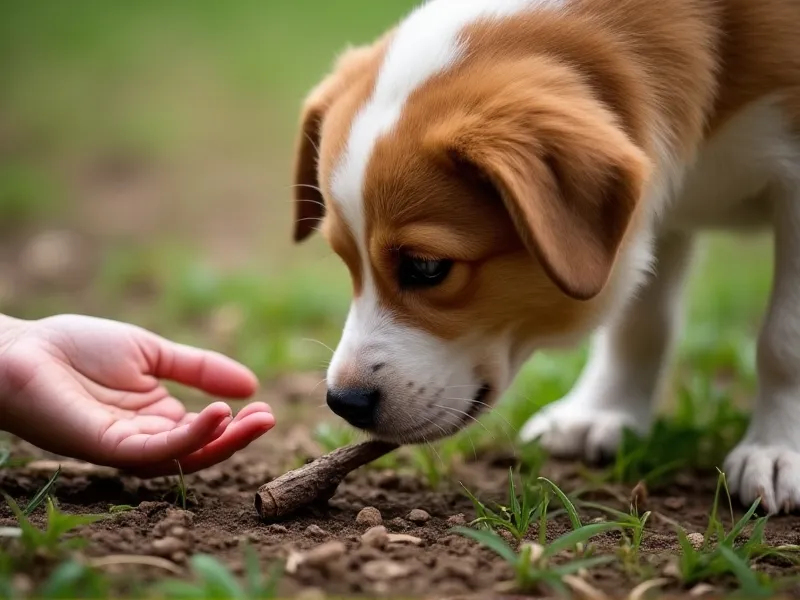
Table of Contents
- Can Dogs Eat Bark? The Short Answer
- Potential Benefits of Bark for Dogs (Spoiler: They’re Minimal)
- The Risks of Dogs Eating Bark: What You Need to Watch For
- How Much Bark Is Safe for Dogs? (Hint: Probably None)
- Healthier Alternatives to Bark for Your Chewing Pup
- FAQ: Your Bark-Related Questions Answered
- Conclusion: Prioritize Safety Over Curiosity
Can Dogs Eat Bark? The Short Answer
No, dogs should not eat bark as part of their regular diet. While small, occasional nibbles of non-toxic bark might not harm your dog, it’s far from a safe or nutritious choice. Most bark is tough to digest, poses choking or injury risks, and some types (like cherry, oak, or pine) are outright toxic. Even “safe” bark can harbor pesticides, mold, or sharp splinters.
In short: Letting your dog chew bark is a gamble with their health. There are far better, safer ways to satisfy their chewing urge.
Potential Benefits of Bark for Dogs (Spoiler: They’re Minimal)
You might wonder, “If dogs are drawn to bark, could there be any upside?” While bark isn’t a superfood, some pet parents and experts speculate about a few (very minor) perks. Let’s unpack them:
1. Trace Nutrients (But Not Enough to Matter)
Some barks—like those from fruit trees or willow—contain tiny amounts of fiber, potassium, or antioxidants. For example, willow bark has salicin (a natural anti-inflammatory, though dogs shouldn’t ingest it for pain relief). However, these nutrients are present in such small quantities that they won’t contribute meaningfully to your dog’s diet. Your pup’s balanced dog food already provides all the fiber, potassium, and vitamins they need.
2. Chewing for Dental Health (But Safer Options Exist)
Chewing on bark might help scrape plaque off your dog’s teeth—in theory. But bark is inconsistent: It can splinter, break into sharp pieces, or get stuck between teeth, leading to more dental problems than it solves. Dental chews or rubber toys designed for this purpose are far more effective and safer.
3. Mental Stimulation (But Boredom Busters Are Better)
For bored dogs, chewing bark can be a way to pass the time. But this is a sign your pup needs more enrichment (like interactive toys or playtime), not a green light to eat bark.
The Risks of Dogs Eating Bark: What You Need to Watch For
The risks of bark far outweigh any minimal benefits. Here’s why it’s a bad idea:
1. Choking and Blockages
Bark is dry, brittle, and often irregularly shaped. Small pieces can get lodged in your dog’s throat, causing choking. Larger chunks can block their digestive tract (esophagus, stomach, or intestines), which may require surgery to remove. Signs of a blockage include vomiting, diarrhea, lethargy, or loss of appetite—always call your vet if you notice these.
2. Splinters and Mouth/Throat Injuries
Bark splinters easily, especially when dry. Sharp fragments can cut your dog’s gums, tongue, or throat, leading to pain, bleeding, or infection. Over time, splinters might even damage their digestive lining as they pass through.
3. Toxic Trees: Some Barks Are Poisonous
Not all trees are created equal. These common varieties have toxic bark (or leaves/roots) that can sicken or kill dogs:
- Cherry: Contains cyanide, which attacks red blood cells. Symptoms: Dilated pupils, difficulty breathing, seizures.
- Oak: Tannins in oak bark can cause kidney damage, vomiting, or diarrhea.
- Pine: Fresh pine bark/resin is irritating to the stomach and can cause vomiting.
- Yew: Highly toxic—even small amounts can cause sudden death from heart failure.
- Walnut: Black walnut bark can lead to seizures or liver damage.
If you’re unsure about a tree in your yard, check the ASPCA’s Toxic and Non-Toxic Plants List for peace of mind.
4. Pesticides, Fertilizers, and Mold
Bark from trees in parks, gardens, or sidewalks is often treated with pesticides, herbicides, or fertilizers. These chemicals are toxic to dogs and can cause vomiting, tremors, or organ damage. Even “organic” treatments (like compost) can harbor mold, which produces mycotoxins that sicken dogs.
5. Digestive Upset
Dogs’ stomachs aren’t designed to break down tough, woody material. Eating bark can lead to gas, bloating, constipation, or diarrhea. In severe cases, undigested bark can form a hard mass (a “bezoar”) in the stomach, blocking digestion entirely.
How Much Bark Is Safe for Dogs? (Hint: Probably None)
If your dog sneaks a tiny piece of bark (think: a flake the size of a dime) from a non-toxic tree (like maple or birch), they’ll likely be fine. But “safe in small amounts” doesn’t mean it’s a good idea.
The safest amount is zero. Even occasional nibbles increase the risk of injury or toxicity. Instead of letting your dog experiment, redirect their chewing to something designed for them.
Healthier Alternatives to Bark for Your Chewing Pup
Dogs chew for a reason: teething (puppies), boredom, anxiety, or just because it feels good. Here are safer, more nutritious ways to satisfy that urge:
1. Rubber Chew Toys
Toys like Kongs, Nylabones, or Benebones are designed to withstand heavy chewing. They’re non-toxic, gentle on teeth, and can be stuffed with peanut butter (xylitol-free!) or wet food for extra fun.
2. Dental Chews
Vet-recommended dental chews (like Greenies or Virbac C.E.T.) clean teeth, freshen breath, and are easy to digest. Look for ones approved by the Veterinary Oral Health Council (VOHC).
3. Fresh Fruits and Veggies
Crunchy, low-calorie options like:
- Carrots: High in fiber and vitamin A; great for teeth.
- Apples: Remove seeds (they contain cyanide) and core; rich in fiber and vitamin C.
- Sweet potatoes: Cooked or dehydrated; packed with fiber and beta-carotene.
4. Dehydrated Treats
Dehydrated chicken jerky, beef liver, or sweet potato chews are tasty, chewy, and free of splinters. Just avoid brands with added salt, sugar, or preservatives.
5. Puzzle Toys
Interactive toys (like the Outward Hound Nina Ottosson puzzles) keep your dog mentally stimulated, reducing boredom-driven chewing.
FAQ: Your Bark-Related Questions Answered
Q: Is pine bark safe for dogs?
A: No. Fresh pine bark and needles contain resins that irritate a dog’s stomach, causing vomiting or diarrhea. Pine cones are also a choking hazard. Avoid pine trees entirely.
Q: Why does my dog eat bark?
A: Common reasons include:
- Boredom: Dogs need 30–60 minutes of activity daily. If they’re understimulated, they may chew bark for entertainment.
- Teething: Puppies chew to soothe sore gums (offer teething toys instead!).
- Anxiety: Stress or separation anxiety can trigger compulsive chewing.
- Nutritional deficiency: Rare, but possible if your dog’s diet is unbalanced (talk to your vet about switching to high-quality food).
Q: What if my dog ate a lot of bark?
A: Monitor them closely for 24 hours. Call your vet immediately if you notice:
- Vomiting (especially with blood)
- Diarrhea
- Lethargy
- Loss of appetite
- Difficulty breathing
If the bark was from a toxic tree (cherry, oak, etc.), seek emergency care right away.
Q: Is it okay if my dog chews bark from my oak tree?
A: No. Oak bark contains tannins, which can damage your dog’s kidneys over time. Even small amounts can cause vomiting or diarrhea. Keep your dog away from oak trees.
Conclusion: Prioritize Safety Over Curiosity
While the sight of your dog munching on bark might seem harmless, it’s a habit worth breaking. Bark offers little nutritional value and poses significant risks—from choking to toxicity. Instead, focus on safe, vet-approved alternatives that keep their teeth clean, their minds busy, and their tummies happy.
If you’re concerned about your dog’s chewing habits, or if they’ve eaten bark from a toxic tree, don’t hesitate to call your vet. They can help rule out underlying issues (like anxiety or nutrient deficiencies) and recommend personalized solutions.
At the end of the day, your dog’s health is worth the extra effort to redirect their chewing. With the right toys and treats, they’ll forget all about that tree bark in no time!
Sources
- American Society for the Prevention of Cruelty to Animals (ASPCA). “Toxic and Non-Toxic Plants.” aspca.org
- American Kennel Club (AKC). “Why Do Dogs Eat Grass and Dirt?” akc.org
- PetMD. “Pica in Dogs: Causes, Symptoms, & Treatment.” petmd.com
- Veterinary Centers of America (VCA). “Gastrointestinal Obstruction in Dogs.” vcahospitals.com