· 9 min read
Can Dogs Eat Barbecue Chicken? A Pet Parent’s Guide to Safe Summer Snacking
The sun is shining, the grill is fired up, and the scent of smoky, charred chicken is wafting through the air—it’s barbecue season! As you gather with friends and family, there’s one eager face you can’t ignore: your dog, tail thumping against the deck, puppy eyes locked on the plate of glistening barbecue chicken in your hand. It’s hard to resist those begging looks, but before you toss them a bite, you pause: Is barbecue chicken safe for dogs?
If you’ve ever asked yourself this question, you’re not alone. Barbecue chicken is a summer staple, but its saucy, seasoned nature raises concerns for our four-legged companions. In this guide, we’ll break down the risks, benefits, and best practices to help you decide whether to share that BBQ chicken with your pup—plus healthier alternatives to keep their tail wagging all season long.
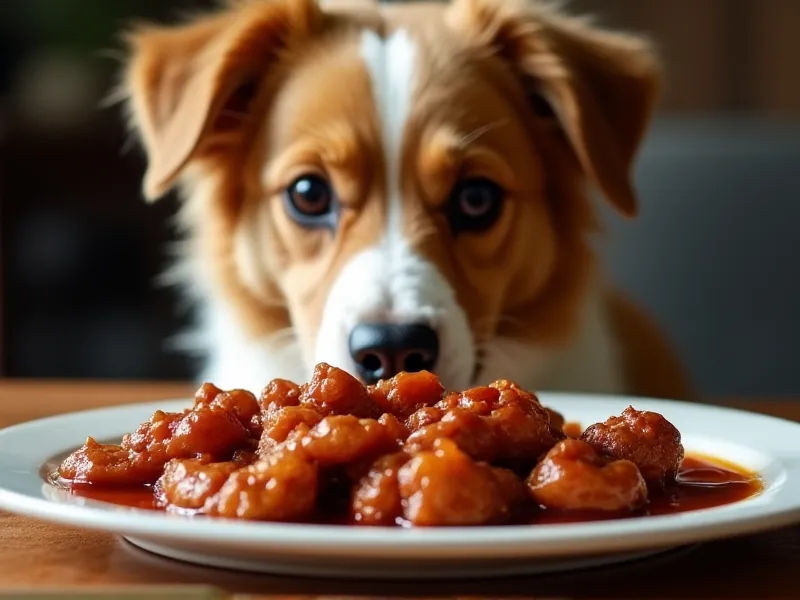
Table of Contents
- Can Dogs Eat Barbecue Chicken? The Short Answer
- Potential Benefits of Plain Chicken for Dogs
- The Risks: Why BBQ Sauce and Extras Are a Problem
- How Much (If Any) BBQ Chicken Is Safe to Feed?
- Healthier Alternatives to BBQ Chicken
- FAQ: Your Top Questions Answered
- Conclusion: Enjoy Summer Safely with Your Pup
Can Dogs Eat Barbecue Chicken? The Short Answer
It depends—but proceed with caution. Plain, unseasoned, boneless chicken is not only safe for dogs but can even be a healthy treat. Chicken is a lean protein source packed with nutrients dogs need, like protein, B vitamins, and selenium. However, barbecue chicken is rarely just chicken. It’s usually slathered in sauce, seasoned with spices, and often served with skin, bones, or fatty trimmings—all of which can pose serious risks to your dog’s health.
In short: Plain, cooked chicken = safe. Barbecue chicken with sauce, bones, or seasonings = risky. Let’s dive into why.
Potential Benefits of Plain Chicken for Dogs
Before we focus on the risks, let’s highlight why chicken itself is a great addition to your dog’s diet (in moderation). If you’re grilling plain, unseasoned chicken (no sauce, no spices, no bones), here’s what your pup could gain:
1. High-Quality Protein
Protein is the building block of your dog’s body, supporting muscle growth, repair, and overall energy. Chicken is a complete protein, meaning it contains all the essential amino acids dogs need. This makes it an excellent choice for active dogs, puppies, or senior dogs needing extra support.
2. Essential Nutrients
Chicken is rich in:
- B vitamins (B6, B12): Support brain function, red blood cell production, and a healthy coat.
- Selenium: An antioxidant that boosts immune health and protects cells from damage.
- Phosphorus: Works with calcium to keep bones and teeth strong.
- Niacin (Vitamin B3): Aids in digestion and energy metabolism.
3. Easily Digestible
Chicken is gentle on sensitive stomachs, which is why it’s often a key ingredient in prescription dog foods for pups with digestive issues. If your dog has an upset stomach, a small amount of plain boiled or grilled chicken (no skin, no bones) can help soothe their gut.
4. A Tasty Training Tool
Let’s be real: Most dogs go crazy for chicken! Plain chicken pieces make excellent low-calorie training treats, especially for pups who turn their nose up at store-bought snacks. Just keep portions small to avoid overfeeding.
Note: These benefits apply only to plain, unseasoned, boneless, cooked chicken. Once you add barbecue sauce, spices, or bones, the risks far outweigh the rewards.
The Risks: Why BBQ Sauce and Extras Are a Problem
Barbecue chicken becomes dangerous when it’s loaded with sauce, seasonings, or other additives. Let’s break down the biggest risks:
1. BBQ Sauce: A Hidden Minefield
Most store-bought or homemade BBQ sauces are packed with ingredients that are toxic or harmful to dogs:
- Sugar: BBQ sauce is often high in sugar (or high-fructose corn syrup), which can lead to obesity, diabetes, or dental decay in dogs. Even “natural” sweeteners like honey or molasses add unnecessary calories—dogs don’t need sugar in their diet.
- Onion/Garlic Powder: These are extremely toxic to dogs. Even small amounts can damage red blood cells, leading to anemia (symptoms include weakness, lethargy, and pale gums). Onion and garlic are common in BBQ rubs and sauces, so always check labels!
- Salt: Excess salt can cause sodium ion poisoning, leading to vomiting, diarrhea, seizures, or even death. A single serving of BBQ sauce can contain more salt than a dog should eat in a day.
- Spices: Ingredients like paprika, chili powder, or cayenne can irritate your dog’s stomach, causing nausea, diarrhea, or inflammation.
- Alcohol: Some sauces (like bourbon or beer-infused BBQ sauce) contain alcohol, which is toxic to dogs and can lead to liver damage or coma.
2. Cooked Chicken Bones: A Choking Hazard
Cooked chicken bones are never safe for dogs. When cooked, bones become brittle and can splinter into sharp shards that:
- Choke your dog.
- Puncture the throat, esophagus, or intestines.
- Cause blockages (which may require surgery to remove).
Even small bones (like wing tips) are risky. Always remove bones from chicken before sharing with your dog—no exceptions.
3. Fatty Skin and Trimmings
Barbecue chicken is often served with crispy skin or fatty trimmings. While dogs love the taste, fat is hard for them to digest. Excess fat can trigger pancreatitis—a painful, potentially life-threatening condition where the pancreas becomes inflamed. Symptoms include vomiting, diarrhea, abdominal pain, and lethargy. Pancreatitis requires immediate veterinary care.
4. Seasonings and Additives
Beyond sauce, BBQ chicken may be seasoned with garlic, onion, black pepper, or other spices. As mentioned, garlic and onion are toxic, but even “mild” spices like paprika can cause stomach upset. Some rubs also contain xylitol (a sugar substitute), which is deadly to dogs (even small amounts can cause seizures or liver failure).
5. Foodborne Illness
While rare, undercooked chicken can contain harmful bacteria like salmonella or E. coli, which can sicken both humans and dogs. Symptoms in dogs include vomiting, diarrhea, fever, and lethargy. Always ensure chicken is fully cooked (165°F internal temperature) before sharing.
How Much (If Any) Is Safe to Feed?
If you want to share a bite of your BBQ chicken with your dog, follow these strict guidelines:
Step 1: Strip It Down
- No sauce: Wipe off all BBQ sauce (even a little can contain toxic ingredients).
- No skin or fat: Trim away skin, fatty edges, and visible fat.
- No bones: Remove all bones, including tiny splinters.
- No seasonings: Ensure the chicken was grilled without spices, rubs, or marinades.
Step 2: Keep Portions Tiny
Chicken should be a treat, not a meal. As a general rule, treats should make up no more than 10% of your dog’s daily calories. For reference:
- Small dogs (10–20 lbs): 1–2 bite-sized pieces (about 1–2 ounces).
- Medium dogs (30–50 lbs): 2–3 ounces.
- Large dogs (60+ lbs): 4–6 ounces.
Overfeeding chicken can lead to obesity or an unbalanced diet (dogs need a mix of protein, carbs, and fats from their regular food).
Step 3: Monitor for Reactions
After feeding, watch for signs of stomach upset, like vomiting, diarrhea, or gas. If your dog shows any unusual symptoms, contact your vet.
When to Avoid Altogether
Skip the chicken if your dog:
- Has a history of pancreatitis.
- Is on a special diet (e.g., for kidney disease, allergies).
- Is a puppy (their tummies are more sensitive).
- Has food allergies (some dogs are allergic to chicken).
Healthier Alternatives to BBQ Chicken
Instead of risking BBQ sauce or bones, try these dog-safe summer treats:
1. Plain Grilled Chicken Strips
The simplest option: Grill a plain chicken breast (no seasoning, no oil) and cut into bite-sized pieces. Store leftovers in the fridge for up to 3 days, or freeze for a cool summer snack.
2. Dog-Friendly Veggie Skewers
Grill plain veggies like:
- Sweet potatoes: Rich in fiber, vitamins A and C, and potassium.
- Green beans: Low-calorie, high-fiber, and packed with vitamins.
- Carrots: Crunchy and great for dental health.
- Zucchini: Hydrating and full of antioxidants.
Just avoid onions, garlic, or buttery toppings.
3. Turkey or Lean Beef
If your dog prefers red meat, opt for plain, grilled turkey or lean beef (no seasoning, no fat). These are also excellent protein sources.
4. Commercial Dog Treats
Look for high-quality dog treats with real chicken (or other proteins) as the first ingredient. Avoid treats with added sugars, artificial flavors, or preservatives.
5. Frozen Chicken Broth Cubes
Freeze low-sodium chicken broth (no onions/garlic) in ice cube trays for a refreshing summer snack. Add a few blueberries for extra antioxidants!
FAQ: Your Top Questions Answered
Q: My dog stole a piece of BBQ chicken with sauce—what should I do?
A: Stay calm. First, check the sauce ingredients (if possible) for garlic, onion, xylitol, or alcohol—these are the most dangerous. Monitor your dog for 24 hours for symptoms like vomiting, diarrhea, lethargy, or loss of appetite. If they ate a large amount or show symptoms, contact your vet immediately.
Q: Can dogs eat BBQ chicken bones?
A: No. Cooked chicken bones splinter easily, causing choking, punctures, or blockages. If your dog swallows a cooked bone, watch for signs of distress (gagging, pawing at the mouth, vomiting) and call your vet right away.
Q: Is grilled chicken better than boiled chicken for dogs?
A: Both are safe, as long as they’re unseasoned and boneless. Grilling adds a smoky flavor dogs love, but avoid charred bits (char can contain carcinogens). Boiling is gentler on sensitive stomachs.
Q: Can puppies eat plain grilled chicken?
A: Puppies can have small amounts of plain chicken, but their diet should focus on puppy food (formulated for growth). Introduce new foods slowly to avoid stomach upset.
Q: Are there any BBQ seasonings safe for dogs?
A: Most spices are unnecessary and can irritate your dog’s stomach. Stick to plain—no salt, pepper, paprika, or garlic. If you want to add flavor, a tiny sprinkle of parsley is safe (and freshens breath!).
Q: Can dogs eat BBQ chicken skin?
A: No. Chicken skin is high in fat, which can cause pancreatitis. Always trim skin before sharing chicken with your dog.
Conclusion: Enjoy Summer Safely with Your Pup
Barbecue season is all about sharing good food and good times—and there’s no reason your dog can’t join in, as long as you’re careful. Plain, unseasoned, boneless chicken is a healthy treat, but BBQ sauce, bones, and seasonings turn it into a risk.
When in doubt, skip the BBQ chicken and opt for dog-friendly alternatives like plain veggies or grilled chicken strips. And remember: moderation is key. Treats should never replace your dog’s balanced, species-appropriate diet.
If you’re unsure about a food, always consult your vet—they know your dog’s health history and can give personalized advice. Here’s to a summer of safe, happy snacking with your favorite furry friend!
References
- American Society for the Prevention of Cruelty to Animals (ASPCA). Toxic and Non-Toxic Plants and Foods. aspca.org/pet-care/animal-poison-control
- American Kennel Club (AKC). Can Dogs Eat Chicken? akc.org/expert-advice/nutrition/can-dogs-eat-chicken/
- PetMD. Pancreatitis in Dogs. petmd.com/dog/conditions/digestive/c_dg_pancreatitis
- Veterinary Centers of America (VCA). Foods Toxic to Dogs. vcahospitals.com/know-your-pet/foods-toxic-to-dogs