· 9 min read
Can Dogs Eat Banana Peels? What Pet Parents Need to Know
You’re standing in the kitchen, peeling a ripe banana. The sweet, tropical scent fills the air, and before you can toss the yellow peel into the compost bin, you feel a wet nose nudge your hand. You look down to find your dog, tail thumping, eyes wide with that “I’ll love you forever if you share” stare. Banana peels—they’re a common kitchen scrap, but can your pup safely munch on one? As a pet parent, it’s natural to wonder if this leftover snack is a harmless treat or a hidden hazard. Let’s dive into the details.
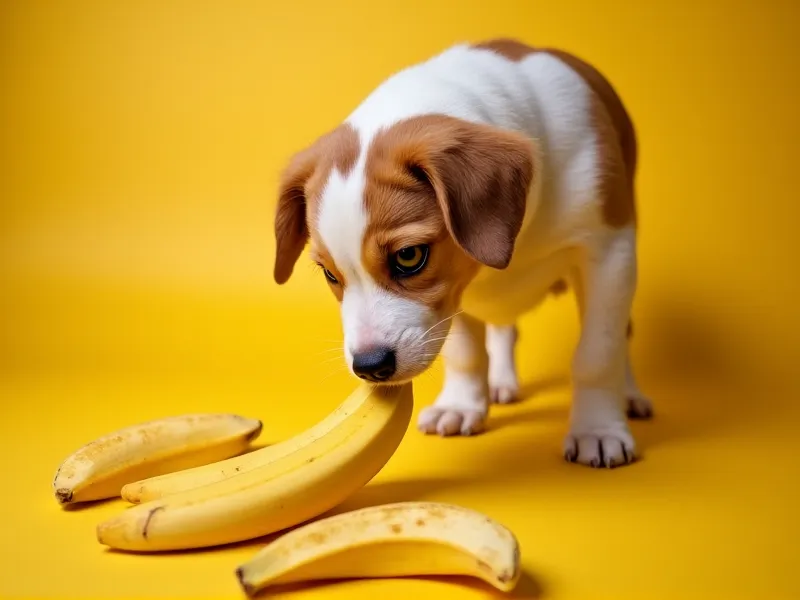
Table of Contents
- Introduction
- Can Dogs Eat Banana Peels? The Short Answer
- Nutritional Benefits of Banana Peels for Dogs
- Potential Risks of Banana Peels for Dogs
- How Much Banana Peel Can Dogs Safely Eat?
- Healthier Alternatives to Banana Peels
- FAQ: Your Top Questions Answered
- Conclusion
Bananas are a staple in many households—portable, affordable, and packed with nutrients for humans. But when it comes to our furry friends, the rules aren’t always the same. While most pet parents know bananas (the fruit itself) are generally safe for dogs in moderation, the peel is a gray area. Is it toxic? Nutritious? A choking risk?
In this guide, we’ll break down everything you need to know about banana peels and dogs: from their nutritional value to potential dangers, how much (if any) to feed, and safer alternatives to keep your pup happy and healthy.
Can Dogs Eat Banana Peels? The Short Answer
Yes, dogs can technically eat banana peels in very small amounts—but they’re not recommended.
Banana peels aren’t toxic to dogs, but they come with significant risks that often outweigh any potential benefits. The peel is tough, fibrous, and difficult for dogs to digest, which can lead to stomach upset or even more serious issues. For most pups, sticking to the fruit (the soft, sweet part of the banana) is a far safer and more enjoyable choice.
Nutritional Benefits of Banana Peels for Dogs
Before we dive into the risks, let’s explore what banana peels do offer nutritionally. While they’re not as nutrient-dense as the banana fruit itself, peels contain some compounds that could, in theory, benefit dogs—if prepared and served correctly.
1. Fiber: A Boost for Digestion
Banana peels are rich in dietary fiber, including both soluble and insoluble fiber. Soluble fiber helps regulate blood sugar and supports healthy gut bacteria, while insoluble fiber adds bulk to stool, aiding in regular bowel movements. For dogs with mild constipation, a tiny amount of fiber might help—but (spoiler alert!) there are better sources of fiber for dogs than peels.
2. Potassium: Supporting Heart & Muscle Health
Potassium is an essential mineral for dogs, as it helps regulate heart rate, muscle function, and fluid balance. Banana peels contain small amounts of potassium (about 422mg per 100g, according to the USDA), though the fruit itself has more (around 358mg per 100g of fruit). Still, every little bit counts—if your dog actually eats the peel.
3. Vitamins & Antioxidants
Banana peels also contain trace amounts of vitamin B6 (supports brain function), vitamin C (boosts immunity), and antioxidants like lutein (supports eye health). These nutrients are present in much lower quantities than in the fruit, but they’re worth noting.
The Catch: Most dogs won’t find banana peels appealing. They’re tough, bitter, and have a rubbery texture that many pups will turn their noses up at. Even if your dog does eat a peel, the benefits are minimal compared to the risks.
Potential Risks of Banana Peels for Dogs
While banana peels aren’t toxic, they pose several risks that make them a less-than-ideal snack for dogs. Let’s break down the biggest concerns.
1. Stomach Upset: Diarrhea, Constipation, or Blockages
The same fiber that might help digestion can also wreak havoc if your dog eats too much. Banana peels are high in insoluble fiber, which is tough for dogs to break down. This can lead to:
- Diarrhea: Excess fiber can irritate the gut lining, causing loose stools or diarrhea.
- Constipation: If the peel isn’t digested, it could clump in the intestines, leading to hard, dry stool.
- Intestinal Blockage: In rare cases, large pieces of peel (or frequent consumption) could cause a blockage—a life-threatening condition requiring surgery. Small dogs, puppies, and senior dogs with sensitive stomachs are at higher risk.
2. Choking Hazard
Banana peels are thick and slippery, especially when raw. For small dogs (like Chihuahuas or Yorkies) or dogs who gulp their food, a large piece of peel could get stuck in the throat, causing choking. Even larger dogs might struggle to chew the peel properly, increasing the risk.
3. Pesticide Residue
Most commercially grown bananas are sprayed with pesticides to protect them from pests. These chemicals (like organophosphates or carbamates) can linger on the peel, and while they’re generally safe for humans (who wash or peel bananas), dogs are more sensitive to pesticides. Ingesting even small amounts of residue could cause vomiting, tremors, or worse.
Pro Tip: If you must share a banana peel, opt for organic bananas. They’re grown without synthetic pesticides, reducing this risk.
4. Sugar Content (Yes, Even in Peels!)
While banana peels have less sugar than the fruit (about 7g per 100g vs. 12g in the fruit), they still contain natural sugars. Over time, excess sugar can lead to obesity, dental issues, or insulin resistance (a precursor to diabetes) in dogs. This is especially concerning for dogs with weight problems or pre-existing conditions.
How Much Banana Peel Can Dogs Safely Eat?
If you’re still tempted to let your dog try a tiny piece of banana peel (maybe as a curiosity), follow these guidelines to minimize risk:
Stick to “Tiny” Portions
Aim for a piece no larger than your thumbnail for small dogs (under 20lbs), or a dime-sized piece for medium/large dogs. This is just enough to let them sniff or taste—anything more increases the risk of stomach upset.
Introduce Slowly
Start with a very small piece and monitor your dog for 24–48 hours. Watch for signs of discomfort: diarrhea, constipation, vomiting, lethargy, or loss of appetite. If any of these occur, stop feeding peels and contact your vet.
Never Make It a Regular Treat
Banana peels should be an occasional, one-off “snack”—not a weekly or daily treat. Even small, frequent amounts can add up, leading to long-term issues like weight gain or digestive problems.
Prepare the Peel Safely
- Wash thoroughly: If using non-organic bananas, scrub the peel with warm water to remove pesticide residue.
- Remove any blemishes: Cut off moldy or bruised parts, as mold can produce toxins harmful to dogs.
- Chop into small, bite-sized pieces: This reduces the choking risk and makes the peel easier to chew.
Healthier Alternatives to Banana Peels
Let’s be real: The risks of banana peels far outweigh the benefits. Instead of sharing peels, treat your dog to these safer, more nutritious alternatives:
1. Banana Fruit (The Star of the Show!)
The soft, sweet flesh of the banana is a fantastic treat for dogs. It’s packed with potassium, vitamin B6, and fiber (in a more digestible form than the peel), and most dogs love the taste. Serve 1–2 small slices for small dogs, or ¼–½ a banana for larger breeds—once or twice a week.
2. Blueberries
Low in calories and high in antioxidants, blueberries are a perfect snack for dogs. They support heart health, brain function, and even help fight inflammation. Toss a handful into your dog’s bowl or freeze them for a cool summer treat.
3. Carrots
Crunchy, low-calorie, and rich in beta-carotene (which converts to vitamin A), carrots are great for dogs’ teeth and eyes. Serve them raw (sliced into sticks) or cooked (steamed until soft for senior dogs).
4. Pumpkin (Unsweetened, Canned)
Pumpkin is a doggy superfood! It’s loaded with fiber (gentler on the gut than banana peels) and helps soothe both diarrhea and constipation. Mix 1–2 tablespoons into your dog’s food (no added sugar or spices!).
5. Apples (No Seeds!)
Apples are a crunchy source of fiber, vitamin C, and antioxidants. Just remove the seeds (they contain trace amounts of cyanide) and core, then slice into wedges. Avoid processed apple products (like applesauce with added sugar).
FAQ: Your Top Questions Answered
Q: My dog ate a whole banana peel! Should I panic?
A: Take a deep breath—banana peels aren’t toxic, but a whole peel could cause digestive upset. Monitor your dog closely for 24–48 hours. If they vomit, have diarrhea, refuse to eat, or seem lethargic, contact your vet immediately (these could be signs of a blockage).
Q: Are organic banana peels safer for dogs?
A: Yes! Organic bananas are grown without synthetic pesticides, so the peel is less likely to have harmful residue. However, organic peels still pose choking and digestive risks—they’re not a “free pass.”
Q: Can puppies eat banana peels?
A: Puppies have sensitive, developing digestive systems, so it’s best to avoid banana peels altogether. Stick to puppy-safe treats like banana slices or plain yogurt instead.
Q: Is cooked banana peel safer than raw?
A: Cooking (boiling or baking) can soften the peel, making it slightly easier to digest, but it won’t eliminate the fiber or choking risk. It’s still not recommended—save the cooked treats for sweet potatoes or carrots instead!
Q: My dog loves banana peels! Can I let them have a small piece sometimes?
A: If your dog truly enjoys peels and has a ironclad stomach (no history of digestive issues), a tiny piece once in a blue moon is unlikely to harm them. But remember: The fruit is always safer and more nutritious.
Conclusion
So, can dogs eat banana peels? Technically, yes—in very small, occasional amounts. But between the choking hazard, digestive risks, and minimal nutritional payoff, there’s no good reason to make them a regular part of your dog’s diet.
Instead, stick to the sweet, soft flesh of the banana (a crowd-pleaser for most pups!) or swap in healthier alternatives like blueberries, carrots, or pumpkin. And as always, when in doubt, consult your vet—they know your dog’s unique needs best.
Your dog’s health and happiness are worth the extra caution. Now go enjoy that banana (and maybe share a slice with your pup)!
Sources:
- American Society for the Prevention of Cruelty to Animals (ASPCA). “People Foods to Avoid Feeding Your Pets.”
- PetMD. “Can Dogs Eat Bananas?”
- American Kennel Club (AKC). “The Best Fruits and Vegetables for Dogs.”
- USDA FoodData Central. “Banana, Raw, Peel.”